
Vandaag of morgen in huis

Kwaliteit gegarandeerd

Welkomstaanbiedingen ontgrendelen: GRATIS bezorging | Tot 80% korting | Gratis 30 dagen JoyPlus-proefperiode
Download de app
A blender can process fruit, vegetables, nuts or ice in just a few minutes. Yet many households buy a model that does not really suit their everyday needs. A small smoothie blender is handy for one person, but less suitable for a family. A powerful blender can handle a lot, but takes up more space and is generally noisier.
The key question, therefore, is not which blender promises the most, but which specifications suit your recipes, portion sizes and cleaning routine.
High power sounds appealing, but it does not tell you everything about performance. The blade design, motor control, jug and maximum operating time also play a part. A blender with a high wattage is not automatically suitable for prolonged use or hard ingredients.
So look at the combination of:
A 1.8-litre blender may seem spacious, but in practice the maximum filling level is often lower to prevent splashing and overflow. A large jug is also unnecessarily big for a single smoothie. If you only make small portions, a smoothie maker with a travel cup may be a better choice.
Dried-on smoothie, pesto or soup residue can easily remain around the blade. So check whether the parts can be removed and whether the product information says they are dishwasher-safe. The motor base must not be immersed in water. The same applies to a hand blender.
For soft ingredients such as banana, yoghurt and berries, a compact smoothie maker is often sufficient. A Severin smoothie maker with 300 W, two speeds and a stated speed of 24,000 r/min, for example, is designed for smoothies, milkshakes and sports drinks.
For frozen fruit, pesto, purée and ice, a powerful blender with several settings is more practical. A smoothie, interval or ice-crush programme makes operation easier. Do follow the manufacturer's instructions, however, and add enough liquid when required.
A 1.8-litre blender is suitable when you want to prepare several portions at once. A glass jug is sturdy and less likely to absorb odours or colours than some plastic materials, but it is also heavier. Check whether the jug is dishwasher-safe and whether the blade can be removed easily.
For individual portions, a cup of around 600 ml is often more convenient. A compact blender with travel cups reduces washing-up and is suitable for use on the go, at the office or while exercising.
Look for a secure lock between the jug and motor base, a tightly closing lid and clear safety instructions. Automatic shut-off or overheating protection can be useful, but always check the manual.
With a hand blender, the operating time is particularly important. According to the product information, the Braun MultiQuick 3 MQ3000WH has a 700 W motor, two speeds, a 600 ml measuring beaker and a stated continuous operating time of one minute. This makes it suitable for short preparations, not for blending continuously for an unlimited period.
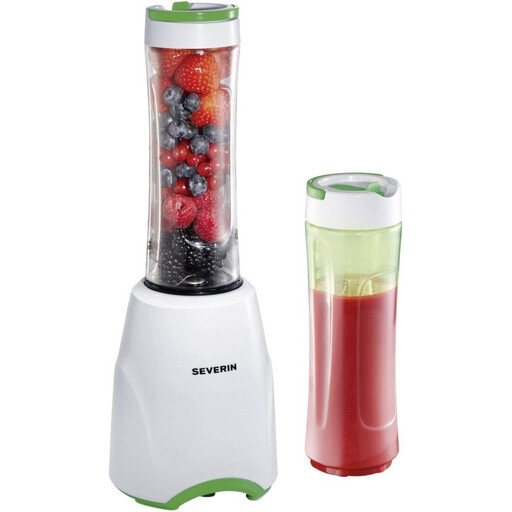
Why it suits this profile: This compact smoothie blender is designed for small portions that you can take with you straight away. The two included drinking cups are handy for work, on the go or after exercising.
The 0.60-litre capacity makes it clear that this model is intended for individual portions. That way, you are not paying for a large jug that you rarely use.
300 W, two speeds, pulse function, two BPA-free Tritan cups and dishwasher-safe parts according to the product information.
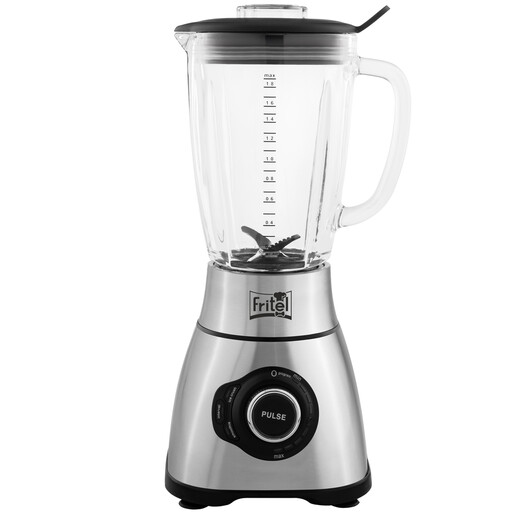
Why it suits this profile: This model is designed for households that prepare larger quantities and a variety of recipes, from smoothies and shakes to soup, pesto and cocktails.
The spacious 1.8-litre glass jug and separate programmes clearly show what this blender can be used for. Before buying, check the available space and the weight of the glass.
1.8-litre capacity, three pre-programmed settings for Ice Crush, Smoothie and Interval, pulse function, and dishwasher-safe jug, lid and filling cap according to the product description.
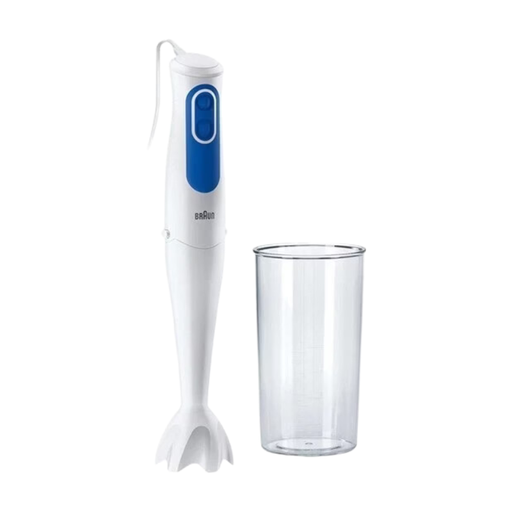
Why it suits this profile: A hand blender is practical for soup, sauce, purée and small smoothies, blended directly in a saucepan or measuring jug. This model suits users who want to work flexibly without a large jug.
The stated one-minute operating time prevents you from confusing this appliance with a blender for prolonged, large-scale preparations. For short portions, it provides a clearer basis for your decision.
700 W, two speeds, 600 ml measuring beaker, removable parts and dishwasher-safe accessories according to the product specifications.
Use this quick checklist before ordering a blender:
We have put together a complete, up-to-date list of products that fully meet these strict selection criteria and the applicable European safety regulations.
Yes, especially for small portions and soft ingredients. A hand blender is also practical for soup, sauce and purée. For ice, frozen fruit or several large portions, a jug blender is generally more suitable. Always check whether the manufacturer specifies this use.
That depends on how it is used, maintained and loaded. Do not run the motor for longer than stated in the manual, do not use a damaged jug and clean the blades immediately after use. A statutory minimum two-year guarantee applies to many consumer products in the EU; additional manufacturer's terms may vary.
Consumption depends on the power rating and operating time. An appliance rated at 1,800 W only uses up to that amount of power while it is running; a short blending session usually does not last long. So, as well as looking at the wattage, consider the preparation time and do not choose a more powerful model than your recipes require.
