
Vandaag of morgen in huis

Kwaliteit gegarandeerd

Welkomstaanbiedingen ontgrendelen: GRATIS bezorging | Tot 80% korting | Gratis 30 dagen JoyPlus-proefperiode
Download de app
A blender may seem straightforward at first: put the ingredients in the jug, press a button and you’re done. But there are clear differences between a smoothie maker, a mini blender and a powerful kitchen blender. You may not realise you’ve chosen the wrong one until a few weeks later: the capacity is too small, cleaning takes too long or the appliance can’t handle frozen ingredients properly.
So don’t just look at the wattage or an attractive product claim. Pay particular attention to these common pitfalls.
A higher wattage doesn’t automatically mean better results for every recipe. The shape of the jug, the blades, the speed and the amount of liquid all play a part too. A compact 250 to 350-watt blender may be suitable for soft fruit and vegetables, while ice, nuts or larger portions may require more power and a larger jug.
A cordless blender, portable blender or blender to go is handy for making a single serving when you’re out and about. The capacity is often around 400 to 600 ml. That’s practical for a smoothie at the office, while travelling or after a workout, but less suitable for a family.
A countertop model usually has a capacity of 1.2 to 2.1 litres and runs on mains power. You can make several glasses at once, but the appliance takes up more space and is less suitable for taking with you.
Blades and edges where ingredients can get trapped make everyday use less enjoyable. Check whether the parts are removable and dishwasher-safe. With a rechargeable blender, the motor base must not be submerged in water. Ideally, rinse the cup and blade unit straight after use so the ingredients don’t dry on.
Choose the capacity to suit how you’ll normally use your blender:
Bear in mind that the maximum fill line may be lower than the total capacity. Don’t fill the jug above the marked limit.
You don’t always need high wattage for soft ingredients such as bananas, yoghurt and soft fruit. For frozen fruit, ice cubes or hard vegetables, the blade design, enough liquid and an appropriate speed are important.
A model with multiple speeds or a pulse function gives you more control. A blender with an ice-crushing function is designed for short, powerful bursts to crush ice. Always follow the instructions. According to the product information for some models, the motor must not run continuously for more than a specified amount of time.
BPA-free Tritan is used in various personal blenders. According to the relevant product information, this material is lightweight and suitable for everyday use. A glass jug is heavier, but may be a good choice if you’d rather not use a plastic one.
Also look for:
A battery-powered blender isn’t designed for hot or carbonated liquids unless the instructions expressly say otherwise.
The models below have been selected using verifiable product information, such as capacity, power, charging method, features and cleaning options. How suitable a model is for you depends on your recipes and how often you’ll use it.

Why it suits this type of user: The 500 ml capacity is designed for a single serving. The included drinking lid makes the cup practical for enjoying a smoothie at home or on the go.
The specifications are straightforward: 250 W, one speed and a capacity of 500 ml. That means you won’t pay for features you don’t use.
500 ml Tritan cup, BPA-free according to the product information, drinking lid and removable dishwasher-safe parts.

Why it suits this type of user: This countertop model is designed for households that want to make several servings and prepare a variety of recipes.
The jug has a 2.1-litre capacity and the model offers 14 manual speed settings. That makes it more versatile than a personal blender with just one button.
1200 W motor, four automatic programmes, pulse function and, according to the product information, an ice-crushing function.
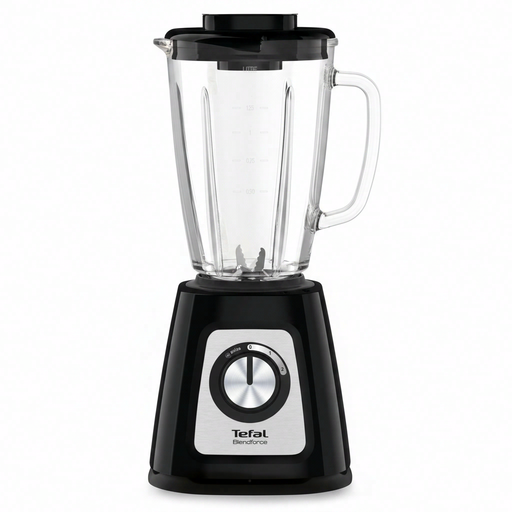
Why it suits this type of user: The 1.25-litre glass jug and mains connection make it a good fit for regular kitchen use, for example when making cold drinks or larger batches.
The model combines two speeds with pulse and ice-crushing functions, so you’re not limited to one fixed setting.
800 W power, 1.25-litre glass jug, stainless steel blades and dishwasher-safe parts according to the product information.
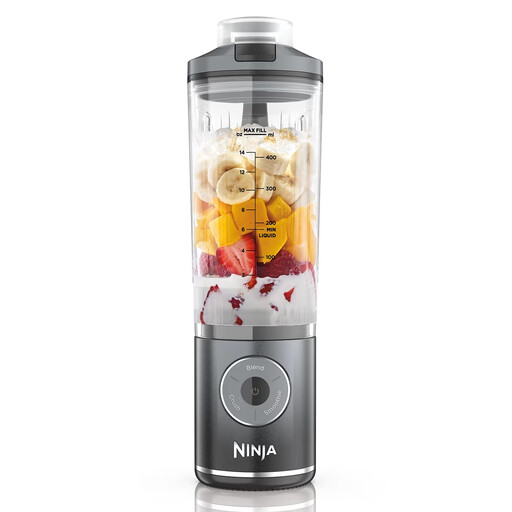
Why it suits this type of user: Cordless operation, a leakproof lid and two 530 ml cups make it practical for the office, gym or travelling.
The product information specifies a leakproof design and USB charging. That makes it suitable for taking with you when there’s no power socket nearby, but always check the lid is secure before you set off.
150 W motor, rechargeable battery, one-button operation and two BPA-free Tritan cups, each with a 530 ml capacity.
We’ve put together a complete, up-to-date list of products that meet these strict selection criteria and the applicable European safety requirements.
A personal blender with a capacity of around 400 to 600 ml is usually enough for one person. Choose a countertop model if you want to make several servings at once or often blend hard and frozen ingredients. As well as checking the power, see whether the manufacturer says the model is suitable for ice or frozen ingredients.
Its lifespan depends on how it’s used, cleaned and put under strain. A blender that’s regularly filled above the maximum limit or run continuously for long periods may wear out more quickly. Let the motor cool down as instructed and don’t use a damaged jug, cable or blade unit. Many of the models mentioned come with a statutory guarantee of at least two years in the EU; check the terms for each product.
A rechargeable blender uses relatively little energy per charge, but the exact cost depends on the battery capacity, how often you charge it and your electricity tariff. A mains-powered model uses energy only while blending. For everyday use, it’s more important to consider total operating time, the charging method and how many batches you can make on a full battery.
