
Vandaag of morgen in huis

Kwaliteit gegarandeerd

Welkomstaanbiedingen ontgrendelen: GRATIS bezorging | Tot 80% korting | Gratis 30 dagen JoyPlus-proefperiode
Download de app
A blender can come in handy for smoothies, soups, sauces, baby food and dips. However, there are big differences between models. A portable blender for using on the go works differently from a powerful blender for a family or a multifunctional food processor.
If you only look at the wattage or an attractive offer, you could run into practical problems later. These might include a small capacity, parts that are difficult to clean or a motor that isn’t suitable for prolonged use. This buying guide compares the key features to help you find a blender that suits the way you plan to use it.
Higher power doesn’t tell you everything about the end result. The blade design, shape of the blending foot, speed and maximum continuous running time all play a part too. A 450 to 650-watt hand blender may be suitable for soups, sauces and soft ingredients. For larger quantities or harder ingredients, a more powerful model with a generous bowl is more practical.
Always check the instructions too. Some models can only run for a maximum of one minute at a time and then need to cool down.
A portable blender, mini blender or cordless blender is mainly designed for making a single serving of smoothie or shake. The capacity is often around 475 to 590 ml. This makes it handy for the office, gym or when travelling, but less suitable for making soup for several people.
A cordless model also runs on a battery. Check how long it takes to charge, how many blending cycles you can expect per charge and whether a USB cable is included. Don’t use a portable blender for hot or carbonated liquids if the product instructions advise against it.
A blender with accessories may look appealing, but a whisk, chopper or extra cup is only useful if you’ll actually use those functions. Check the chopper’s capacity, the available speeds and whether the individual parts are dishwasher-safe. A simple hand blender may be cheaper and quicker to store than a large multifunctional blender.
The stated power is measured in watts. This refers to the motor’s input power and doesn’t guarantee a particular blending quality. Use this as a guide:
According to the product information, the Braun MQ500 has a 600-watt motor and two speeds. The Braun MultiQuick 5 MQ50001 has 1,000 watts and 21 adjustable speeds. This difference matters if you cook often or want more control over the texture.
A 475 ml to 600 ml cup is suitable for one smoothie or shake. For a family or a large pan of soup, a jug with a capacity of around 1.5 to 1.8 litres is more practical. Don’t just check the total capacity; look at the maximum fill mark too.
A hand blender doesn’t need a dedicated jug. You can blend directly in a pan or measuring jug. Make sure the blending foot is deep enough for your pans and that the pan is suitable for contact with the attachment.
Removable parts make everyday use easier. Check whether the blending foot, cup and accessories are dishwasher-safe. The motor unit and cord must not be submerged in water.
Look out for the following:
Brand claims about features such as finer blending results aren’t an independent guarantee. For example, Braun states in its own product description that PowerBell VPlus can produce ingredients that are up to four times finer. Treat this as a manufacturer’s product specification and also compare power, controls, accessories and maintenance.
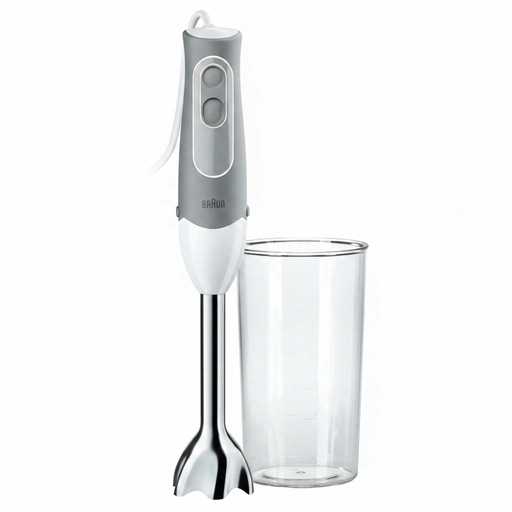
Why it suits this user: This hand blender is suitable for everyday food preparation, such as soups, sauces and milkshakes. The two speeds and included measuring beaker keep it straightforward to use.
The product information lists an anti-splash design, a removable blending foot and dishwasher-safe parts. This makes it easier to assess how simple it is to clean and use every day.
600 watts, two speeds, a 600 ml measuring beaker and a whisk, according to the product description.

Why it suits this user: If you cook regularly and want to prepare food with different textures, this model gives you more settings to choose from than a basic single-speed blender.
As well as its wattage, it has a variable speed wheel, an anti-splash function and a system for changing attachments.
1,000 watts, 21 speeds, EasyClick Plus and dishwasher-safe parts, according to the product information.
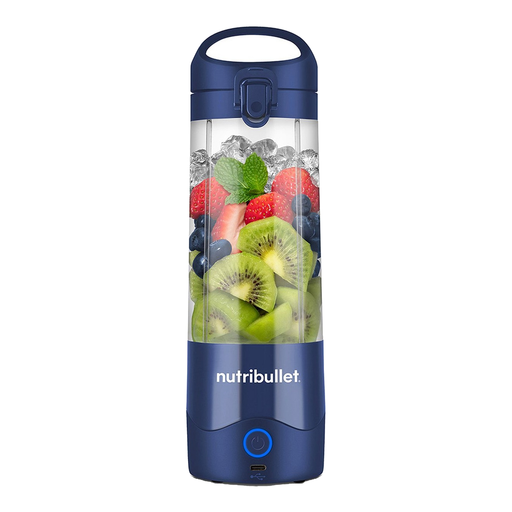
Why it suits this user: This mini blender is designed for making a single serving of smoothie or shake. The integrated handle and drinking lid are handy for the office, travelling or after a workout.
Its limited capacity of around 475 ml makes it clear that this isn’t a blender for large family portions. The battery and charging time are specified in advance.
17,000 revolutions per minute, a charging time of around one hour and, according to the product information, more than 15 blending cycles per charge.

Why it suits this user: This model is designed for households that want to chop, grate, slice and grind as well as blend, all with one appliance.
The 1.8-litre capacity and functions are clearly listed. Before buying, check that you have enough storage space and consider which accessories you’ll actually need.
750 watts, a 1.8-litre capacity, several slicing and grating accessories and removable parts, according to the product information.
We’ve put together a full, up-to-date list of products that meet these strict selection criteria and the applicable European safety requirements.
Yes, a hand blender is practical for puréed soups, sauces and baby food. When blending hot liquids, always follow the temperature and usage limits in the manual. Keep the blending foot below the surface to help prevent splashes.
A blender’s lifespan depends on how often you use it, the ingredients you blend, how you clean it and whether you follow the maximum running time. Let the motor cool down when instructed in the manual, and don’t process hard objects, bones or ingredients that the model isn’t designed to handle.
A cordless blender uses electricity while charging. The energy used per blending cycle is generally limited, but the exact cost depends on the battery capacity, how often you charge it and your electricity tariff. A corded model only uses electricity when you switch it on, while a battery-powered blender gives you more flexibility without needing a socket.
