
Vandaag of morgen in huis

Kwaliteit gegarandeerd

Welkomstaanbiedingen ontgrendelen: GRATIS bezorging | Tot 80% korting | Gratis 30 dagen JoyPlus-proefperiode
Download de app
Choosing the wrong bleach and stain remover can cause more problems than it solves. A chlorine product used on coloured clothes can cause discolouration, while oxygen bleach is not suitable for every material. Marketing claims such as “extra strong”, “long-lasting protection” or “for all surfaces” don’t always tell you how to use a product safely and appropriately.
The most common shopping pitfalls are:
Chlorine bleach is mainly intended for certain hard, washable surfaces, such as toilets, tiles and bathroom fittings. Always check the label for the correct dilution, contact time and material suitability. Products such as household bleach and bleach toilet cleaner are not automatically suitable for laundry.
Oxygen bleach typically uses active oxygen, such as sodium percarbonate. It is often used as a laundry booster or stain remover for clothes. It is a different product category from chlorine bleach, and you should still check the care label. Wool, silk, leather, metal finishes and clothes with a special coating may not be suitable.
A product description may say that a formula is chlorine-free, for example. That doesn’t mean it’s safe to use on every textile. Always check the specific restrictions on the packaging.
A 750 ml bottle is practical for regular household use; a 1-litre bottle may be a good choice for more intensive cleaning. However, don’t compare volume alone. Also check:
Wear suitable protection when using corrosive products and ensure good ventilation. Rinse treated surfaces thoroughly if the label instructs you to. Only use the stated mixing ratio for bleach solutions.
The selection below is based on the stated volume, product format, intended use and ingredient information. Claims about performance are included only as information from the product description or brand; they are not a guarantee that the product will work on every material or stain.
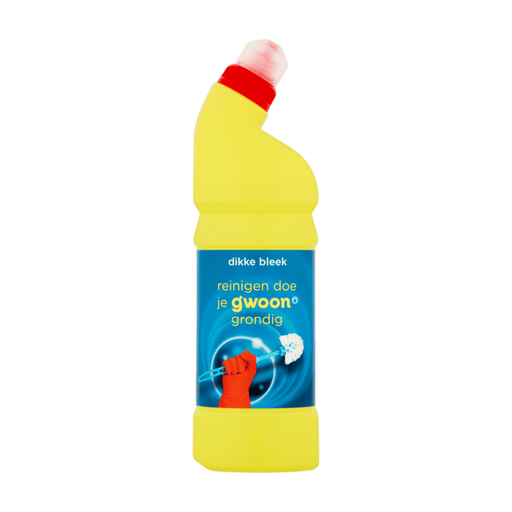
Why it suits this need: A manageable 750 ml bottle for toilets and bathroom fittings, without an unnecessarily large size. The product information says it can be used diluted or undiluted, depending on the application.
The instructions distinguish between using it neat and diluting it. This product is not automatically a textile cleaner, so use it only on the hard surfaces listed.
750 ml, thick liquid formula and, according to the product description, suitable for toilets and bathroom fittings.
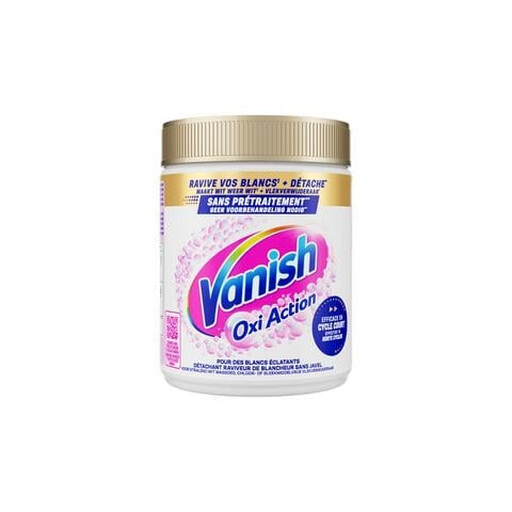
Why it suits this need: For households looking to treat white cotton, polyester blends and other permitted white laundry with an oxygen-based powder.
The product information explicitly states that it contains no chlorine bleach and should not be used on wool, silk, leather or metal parts.
Oxygen bleach powder, suitable for washing, soaking and pre-treating according to the stated dosage.
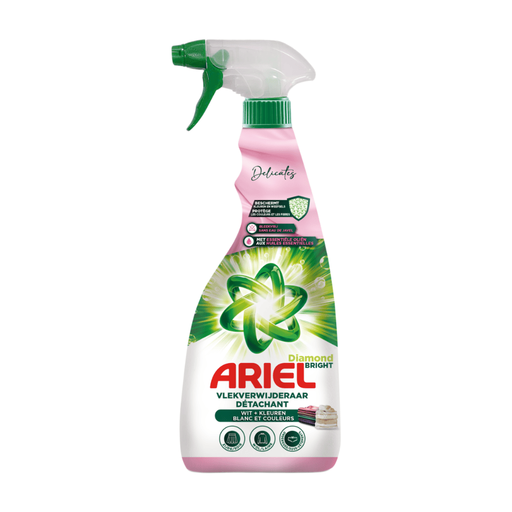
Why it suits this need: Designed for households looking to pre-treat stains on white and coloured clothes, including delicate fabrics according to the product description.
The description says the spray is bleach-free. Even so, follow the washing instructions and label directions, especially for silk, wool and baby clothes.
750 ml spray format, designed for spot treatment and, according to the product information, suitable for different types of stain.
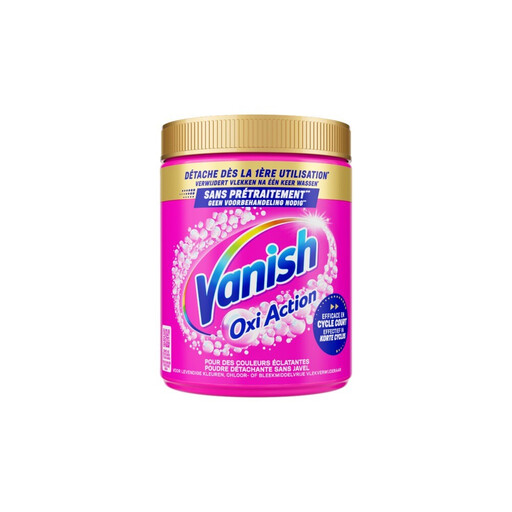
Why it suits this need: The larger pack is a good fit for regular washing and households that use a laundry booster for coloured clothes.
The instructions give separate dosages for regular and stubborn stains. The product is not intended for silk, wool, leather or clothes that need dry cleaning.
960 g pack, oxygen-based formula and suitable for use in the wash, for soaking or as a pre-treatment, according to the label.
We’ve put together a complete, up-to-date list of products that meet these strict selection criteria and current European safety regulations.
Read the label before use and follow the stated dosage. Pay particular attention to these points:
Not all bleach is suitable for textiles. Oxygen bleach or a specialist laundry whitener is often used for white laundry. Check the care label and material restrictions. Chlorine bleach can damage fibres and certain fabrics.
It varies by product. Some sprays specify a maximum contact time of five minutes, while a powder for white laundry may be used for longer when soaking, according to the product information. Leaving it on for longer than recommended won’t automatically improve the result and may damage the material.
It depends on how you use it. A spray is handy for treating a few individual stains; powder may be better value for regular washing or larger amounts of laundry. Compare the pack size, dosage and number of treatments per pack rather than just the sale price.
