
Vandaag of morgen in huis

Kwaliteit gegarandeerd

Welkomstaanbiedingen ontgrendelen: GRATIS bezorging | Tot 80% korting | Gratis 30 dagen JoyPlus-proefperiode
Download de app
Are you waking up too early from the morning light? Or are you looking for a way to keep the heat out during hot summer days? The right window treatments are often the solution. However, choosing the right blackout curtains can be a challenge. The market is filled with options, from different materials to various levels of light-blocking.
My name is Joybuy, and as a Product Recommendation Officer, my job is to help you make an informed decision. In this article, we'll look at the practical aspects of blackout window treatments, so you can find a product that truly fits your needs, without the unnecessary marketing jargon.
Before we look at specific products, here are a few practical tips to get you started.
Not every "blackout" curtain is the same. The terms can be confusing, but it usually comes down to two categories:
The material determines not only the appearance but also the functionality. Linen curtains, for example, create a natural and airy atmosphere, but they are not always fully blackout on their own. Many modern blackout curtains therefore combine a linen-look with a blackout lining.
Additionally, there are insulating curtains. These often have a thermal layer that helps keep the heat in during winter and out during summer. This can contribute to lower energy bills.
The choice between a classic curtain and a blackout roller blind depends on your interior design and functional requirements.
Based on product specifications and functionality, we have listed a few popular choices for you.
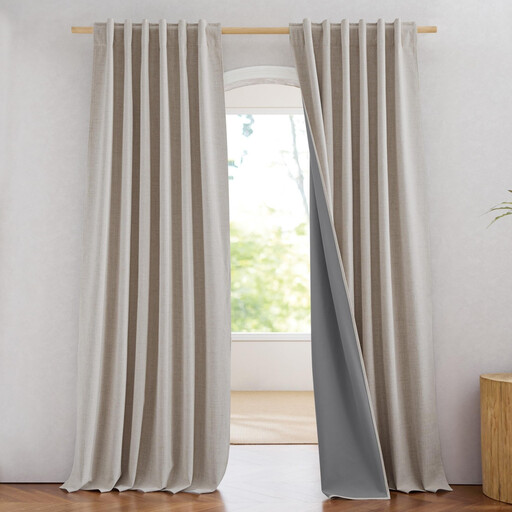
Why It Stands Out This product combines the aesthetics of linen with the functionality of complete blackout. According to the manufacturer, PONY DANCE, these curtains block 100% of light thanks to a built-in black lining. The linen-blend fabric provides a natural and stylish look that fits well in both rustic and modern interiors.
Key Features
Who Is It For? For anyone looking for effective blackout for the bedroom who doesn't want to compromise on style. If you appreciate the ambiance of linen curtains but need the functionality of blackout, this is a suitable option.
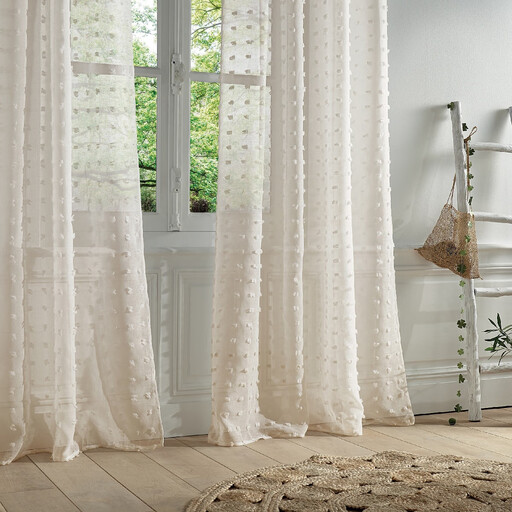
Why It Stands Out Not every room needs complete darkness. This curtain from the French brand Atmosphera is an example of light-filtering curtains. It is designed to provide privacy and soften harsh daylight, while keeping the room light and airy. The beige colour and fabric texture create a calm and elegant look.
Key Features
Who Is It For? This curtain is suitable for spaces where ambiance and privacy are more important than complete blackout, such as the living room, kitchen, or study. It's a great choice if you want to keep the harsh sun out without making the room dark.

Why It Stands Out For a sleek and modern approach, a blackout roller blind is an excellent option. This model from vidaXL is designed for 100% light reduction. According to the manufacturer, the back of the roller blind has a thermoplastic silver layer. This layer not only blocks light but also has insulating properties.
Key Features
Who Is It For? Ideal for bedrooms, children's rooms, or home offices where complete darkness is desired and a clean finish is preferred. Also a practical choice for tilt-and-turn windows or situations with limited space.
Is the combination of the natural look of linen and the functionality of bedroom curtains exactly what you're looking for, but you haven't found the perfect match yet? More styles and sizes are available.
Check out our extensive collection of bedroom linen curtains for more inspiration and find the window treatments that suit your interior.
Blackout curtains are made to block almost all light (95-100%). They often have a dense weave or a special coating. Dimout curtains are less opaque and allow some light to pass through, dimming the room rather than completely darkening it.
Yes, many blackout curtains also have insulating curtains properties. Models with a thermal lining or coating, in particular, can help keep the sun's heat out in the summer and the heating's warmth in during the winter. This can contribute to a more comfortable indoor climate.
First, measure the width of the curtain rod or rail, not the window itself. For a rich, full look, it is recommended to use 1.5 to 2 times the width of the rail. For the length, measure from the top of the rail to where you want the curtains to end: at the windowsill, below the windowsill, or to the floor. Take the hanging method (rings, hooks, etc.) into account.
