
Vandaag of morgen in huis

Kwaliteit gegarandeerd

Welkomstaanbiedingen ontgrendelen: GRATIS bezorging | Tot 80% korting | Gratis 30 dagen JoyPlus-proefperiode
Download de app
A dark, quiet bedroom isn't a luxury; it's a necessity for a good night's sleep. But the search for the right blackout curtains can be frustrating. The market is flooded with promises that aren't always kept. Many people invest in curtains that fail to perform after just a few months or simply don't block light effectively enough.
As a Joybuy Product Recommendation Officer, I see where things often go wrong. Before you make a decision, it's important to recognise the common pitfalls that lead to a disappointing purchase.
To avoid a bad purchase, focus on the objective product features. These specifications determine the actual performance of your curtains.
Not all blackout curtains are created equal. The degree of light-blocking is often expressed as a percentage.
Triple-weave technology, where a black thread is woven into the middle of the fabric, is a common technique that effectively blocks light without needing a separate lining.
The weight of the fabric, expressed in grams per square meter (g/m?), is a good indicator of quality. A heavier fabric (e.g., 230 g/m?) not only drapes more beautifully but also has better insulating curtains and sound-dampening curtains properties. Polyester is a popular material because it's durable, colorfast, and easy to maintain. Also, look for certifications like OEKO-TEX STANDARD 100, which indicates the fabric has been tested for harmful substances. Increasingly, you'll also see products with recycled materials, which is a more sustainable choice.
The hanging method determines both the look and the functionality.
Based on these functional criteria, we have selected a few options that suit different needs and situations.
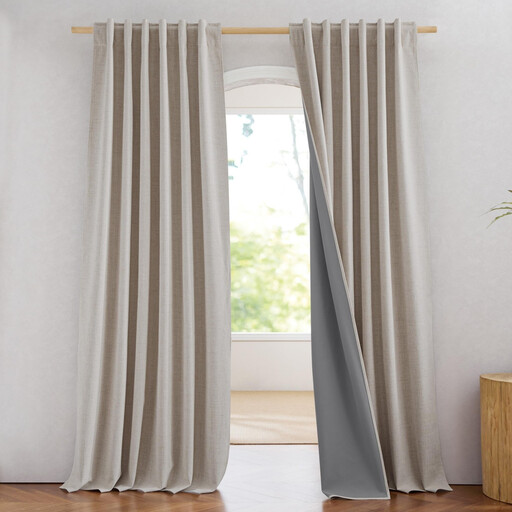
Why This Fits Their Persona: These curtains combine total blackout performance with the popular, natural look of linen. Perfect for those who refuse to compromise on style for their bedroom curtains and demand absolute darkness for an undisturbed night's sleep.
It tackles the '100% blackout' myth with a built-in black liner that genuinely blocks all light, rather than relying solely on a dense weave.
Offers 100% light-blocking and has a stylish linen look that complements modern or rustic interiors.
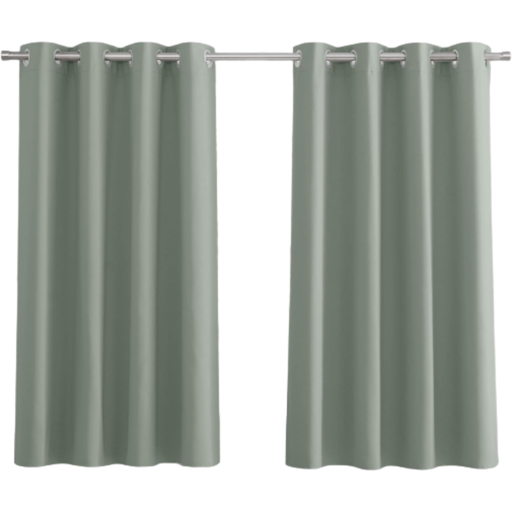
Why This Fits Their Persona: These curtains are designed with functionality as a priority. They are ideal for anyone looking for energy-saving curtains that help reduce heating costs. The sustainable production using recycled materials is an added bonus.
It avoids the vague 'insulating' claim by providing concrete specifications: a heavy 230 g/m? fabric and triple-weave technology. These are tangible features that contribute to thermal insulation.
Good thermal properties and made from material with Global Recycled Standard certification. Simple installation thanks to the eyelets.
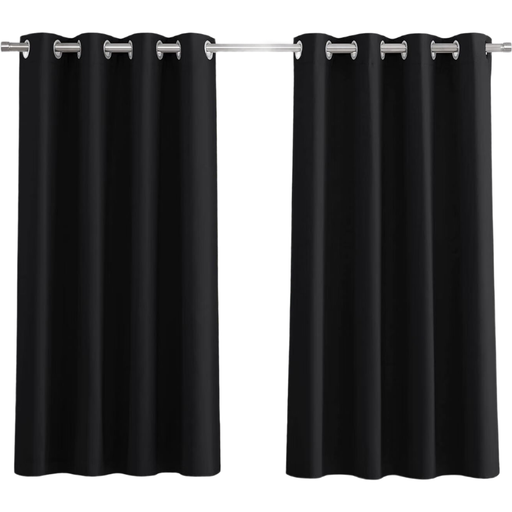
Why This Fits Their Persona: An affordable and effective solution for those living in a busy environment. These ready-made curtains are ready to use out of the box and offer a high degree of blackout (85-95%), which helps to dampen light and noise from outside.
It solves the pitfall of a complex hanging system. The built-in curtains with eyelets make installation on a standard rod quick and easy, ideal for renters who don't want to drill for a track.
High blackout level (85-95%) for a dark room. The black colour maximises the light-blocking effect. Very simple installation.
We have compiled a complete, up-to-date list of products that meet these strict selection criteria. Find the perfect match for your interior and needs.
This depends on the blackout level. Curtains with a 75-85% rating make a room significantly darker, comparable to a heavily overcast day. Models with a 100% rating, often with a special lining, can make a room pitch-dark, even during the day. The colour also plays a role; dark colours generally absorb more light than light colours.
Yes, thermal curtains can make a noticeable difference. The effectiveness depends on the thickness and density of the fabric. A heavy curtain, such as one weighing 230 g/m?, creates a layer of still air between the window and the room. This acts as a buffer that helps to keep heat in during the winter and out during the summer. This can lead to a lower energy bill for heating and cooling.
