
Vandaag of morgen in huis

Kwaliteit gegarandeerd

Welkomstaanbiedingen ontgrendelen: GRATIS bezorging | Tot 80% korting | Gratis 30 dagen JoyPlus-proefperiode
Download de app
A dark bedroom isn't a luxury; it's essential for a good night's sleep. Yet, the search for the right blackout curtains can be frustrating. The market is flooded with options that promise a lot but don't always deliver. Before you invest in new window treatments, it's crucial to understand the common pitfalls that lead to buyer's remorse.
Many people make the same mistakes: they rely on vague marketing terms, choose the wrong fabric for their needs, or end up with curtains that just don't fit. This not only leads to disappointment but also to unnecessary expenses. Let's explore how you can avoid these issues and make a choice you'll be happy with for years to come.
The term "blackout" is often used too loosely. Many ready-made curtains labeled as such only block 75-85% of light. While this is sufficient for most people, it's not enough if you need complete darkness for your bedroom—for instance, if you work night shifts or are highly sensitive to light. You'll end up with a dimly lit room instead of a pitch-black one.
A curtain is more than just a piece of fabric. Cheap polyester can look faded and lifeless after just a few months, especially when exposed to significant sunlight. Furthermore, thin fabrics offer little to no thermal insulation, causing you to lose heat in the winter and let it in during the summer. The promise of insulating curtains is left unfulfilled.
One of the most common frustrations with ready-made curtains is the fit. Curtains that are too short look sloppy and let in an annoying sliver of light at the bottom. Curtains that are too narrow won't close properly in the middle. Additionally, people often forget to check if the hanging system, such as grommet curtains, is compatible with their existing curtain rod.
To avoid a bad purchase, focus on a few key specifications. These will determine the functionality and lifespan of your curtains.
Always check the light-blocking specifications.
The material determines not only the look but also the functionality.
Measure before you order.
Based on these criteria, we've selected a few options that cater to different needs and interior styles.
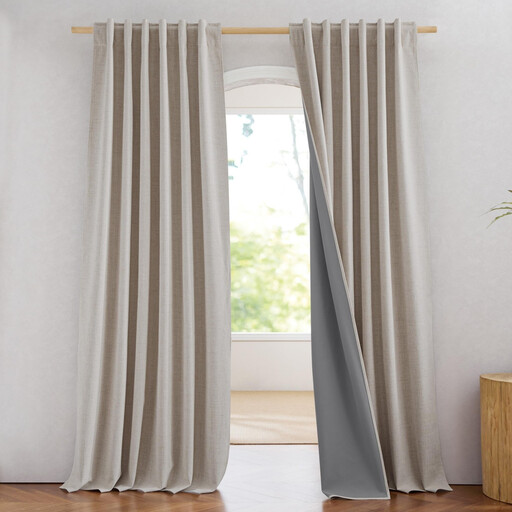
Why This Fits Their Persona: This person seeks the perfect balance between functionality and a sophisticated, natural look for the bedroom. The linen aesthetic pairs well with a bohemian or minimalist decor, without compromising on darkness.
This curtain is explicitly "100% Blackout," helping you avoid the pitfall of a 'not-quite-dark' curtain. It guarantees complete darkness.
Combines total blackout capabilities with the stylish texture of linen. The fabric is also thermally insulating, which helps with the energy bill.
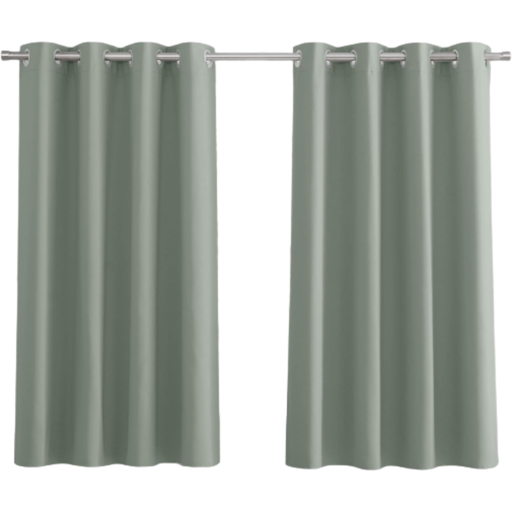
Why This Fits Their Persona: This user is looking for a no-nonsense solution that simply works. Energy savings, ease of use, and durability are key. This curtain is ideal for the living room or bedroom, and its sage green color is modern and versatile.
The product information is transparent about its light-blocking level (75-85%), so you know exactly what to expect. The triple-weave fabric is functional and durable.
A great balance of room darkening and thermal insulation. The grommets make installation incredibly simple, and the fabric is made with recycled materials.
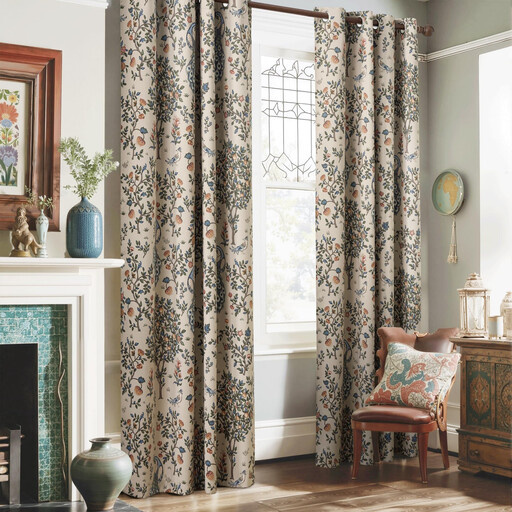
Why This Fits Their Persona: For those who prioritize ambiance and style but don't want to sacrifice functionality. These curtains instantly add character to a room with their vintage floral print, perfect for a rustic or romantic decor.
This isn't just a thin, decorative curtain. It's a functional room-darkening and thermal insulating curtain, so you don't have to choose between style and comfort.
Offers a unique decorative print combined with practical room-darkening and insulating properties. An affordable way to give a room a fresh new look.
We've compiled a complete, up-to-date list of products that meet these selection criteria.
A good rule of thumb is to measure the width of your window or curtain rod and multiply it by 1.5 to 2. This ensures beautiful, full pleats when the curtains are closed. For the length, measure from the top of the rod to where you want the curtains to end, such as just above the floor or the windowsill.
Although the terms are often used interchangeably, there is a distinction. Blackout curtains are primarily designed to block light. Thermal curtains or insulating curtains are designed to regulate temperature. Many blackout curtains also have thermal properties thanks to their dense weave (like triple-weave), but not all thermal curtains are 100% blackout.
No, they are generally designed for convenience. Grommet curtains in particular are very simple: you just slide the rings over the curtain rod. However, always double-check that the diameter of the grommets is large enough for your rod.
