
Vandaag of morgen in huis

Kwaliteit gegarandeerd

Welkomstaanbiedingen ontgrendelen: GRATIS bezorging | Tot 80% korting | Gratis 30 dagen JoyPlus-proefperiode
Download de app
A dark wall can instantly give a room a sense of depth, luxury, and modernity. But the thought of painting or traditional wallpapering can be daunting. Black peel and stick wallpaper offers a practical solution. It's a quick and affordable way to transform an interior, whether you want to give a rental a temporary upgrade or create a permanent accent wall in your own home.
This article is designed to be a clear guide. We're skipping the marketing jargon to focus on the specifications and features of different types of black peel and stick wallpaper, helping you make a choice that fits your project and style.
Before making a choice, there are a few practical points to consider. Proper preparation ensures a cleaner, more professional finish.
Peel and stick wallpaper, also known as black adhesive film, adheres best to a smooth, clean, and dry surface. Think painted walls (let the paint cure completely), lacquered doors, or furniture panels. Avoid rough, textured, or damp surfaces, as the film will not adhere as well and imperfections will remain visible. This is especially important with dark, solid colours. Good preparation is also crucial when using adhesive film for furniture to give an old cabinet or tabletop a new lease on life.
Black isn't just black. The texture and pattern define the atmosphere:
Measure the height and width of the wall or piece of furniture you want to cover and calculate the required square footage. Always order about 10% extra to account for cutting waste and any mistakes. Many versions are removable wallpaper, which means you can take it down later. This makes it a flexible choice, especially for renters.
Below is a selection of three different styles of peel and stick wallpaper, each with unique properties for various applications.

Why it stands out: This wallpaper mimics the look of black marble with contrasting white veins. It offers a luxurious feel without the high cost and complex maintenance of real natural stone. The print is designed to create a modern, high-end atmosphere.
Key Features:
Who is it for? For those looking for a quick, stylish upgrade for smaller surfaces. Think of revamping a bathroom vanity, creating a chic back panel in an open cabinet, or covering a tabletop.
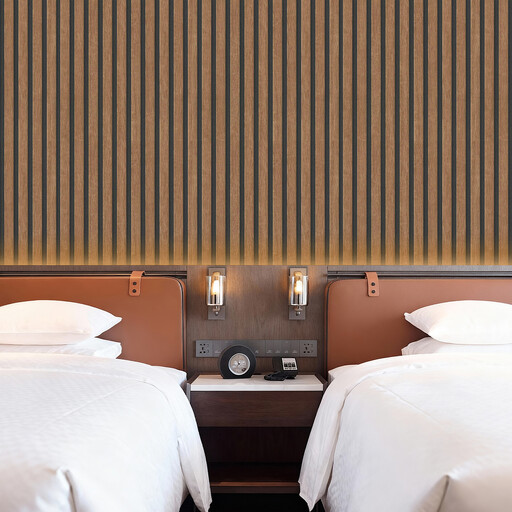
Why it stands out: The design of this wood-look adhesive film imitates a wall with black vertical slats. This type of black wall decor is popular because it adds texture, depth, and a clean, modern structure to a room. The longer roll of over 5 meters helps to minimise seams on a large wall.
Key Features:
Who is it for? Ideal for creating a full accent wall behind the sofa in the living room, behind the headboard of the bed, or in a long hallway to break up the monotony.

Why it stands out: This baroque wallpaper with a rococo damask pattern offers a classic and theatrical look. The detailed design adds a sense of luxury and history, which can create an interesting contrast in a modern interior or enhance a classic style.
Key Features:
Who is it for? For those who want to make a statement. This wallpaper is a great choice for an accent wall in the bedroom, a formal dining room, the hallway, or even on the inside of a wardrobe for a surprisingly luxurious detail.
These recommendations are a starting point. The world of black wall decor is vast, with countless patterns and finishes available, from matte black to geometric prints.
If your ideal style isn't here, check out our full range. Discover more options in our Wall Decals for Dark Walls category.
Yes, most types of peel and stick wallpaper are designed to be removable wallpaper. For damage-free removal, it is recommended to gently heat the film with a hairdryer. This softens the adhesive. Then, slowly pull the film from the wall at a sharp angle. Any remaining adhesive residue can usually be removed with a mild cleaning agent.
This is generally not recommended. Adhesive film adheres best to a completely smooth and non-porous surface. Existing wallpaper, especially textured types, can reduce adhesion, and its texture may show through the film. For the cleanest result, it's best to remove the old wallpaper first and smooth the wall.
A careful approach is key here. Start at the top and peel back only a small portion of the backing paper. Adhere this first section to the wall and use a squeegee (or a credit card wrapped in a soft cloth) to smooth the film from the centre outwards. Work your way down slowly, peeling back more of the backing paper as you smooth the film. If a bubble does appear, prick it with a small pin and push the air out.
