
Vandaag of morgen in huis

Kwaliteit gegarandeerd

Welkomstaanbiedingen ontgrendelen: GRATIS bezorging | Tot 80% korting | Gratis 30 dagen JoyPlus-proefperiode
Download de app
Black men's running shoes are easy to pair with different outfits, making them a popular choice for running, fitness, commuting and everyday wear. However, a shoe's colour tells you little about whether it's right for you. A road-running model may be awkward on muddy paths, while a soft casual trainer may not offer enough support for longer training sessions.
As Joybuy Product Recommendation Officer, I focus on the product details that matter in practice. That way, you can avoid choosing based solely on the brand name, appearance or a promising marketing claim.
A soft insole may feel comfortable when you try a shoe on, but that doesn't automatically make it suitable for repeated running. Check the midsole, outsole and intended use too. A model for everyday wear or light workouts isn't necessarily designed for intensive road training.
Breathable men's running shoes usually have a mesh or textile upper. This can help promote airflow, but ventilation also depends on the lining, fit and thickness of the material. Synthetic reinforcements can improve durability, but may make parts of the shoe less breathable.
A rubber outsole won't provide the same grip on every surface. A relatively flat tread is often enough for roads and treadmills. For woodland paths, gravel or mud, men's trail running shoes with a deeper tread make more sense. Look beyond the colour or the general label “sports shoe”.
The midsole has a major effect on how a shoe feels when you run. Product descriptions may mention Cloudfoam, Dreamstrike, Bounce 2.0, EVA or Lightstrike. These are different foam constructions, not one universal standard.
When comparing shoes, look at:
Claims about energy return, shock absorption or performance come from the brand's or seller's product information. Treat them as product specifications, not a guarantee of a particular running experience.
A mesh upper is generally a practical choice for indoor and outdoor training. It can help with airflow while keeping the shoe lightweight. Textile and synthetic materials can provide extra reinforcement around the toe, heel or midfoot.
Check the fastening too. Adjustable laces help you fine-tune the fit. A slip-on design is handy for everyday wear, but it may not offer the same adjustability as traditional laces.
Decide what you need the shoes for:
Feet can swell a little during a longer training session. If possible, try on running shoes with the socks you wear when running. Leave some room for your toes to move, but make sure your heel doesn't slip.
Check the sizing information for each product. Adidas, for example, also uses half sizes such as 40 2/3, 43 1/3 and 44 2/3. Some models list foot length in centimetres or millimetres. This is more useful than relying on your usual EU size alone.
A regular fit isn't the same as a wide fit. If you have a wide forefoot, look for models with a wider toe box or a size chart that clearly states the foot length. According to the product description, the LI-NING YUEYING 6 is available with extra room in the toe box; the listed features come from the manufacturer.
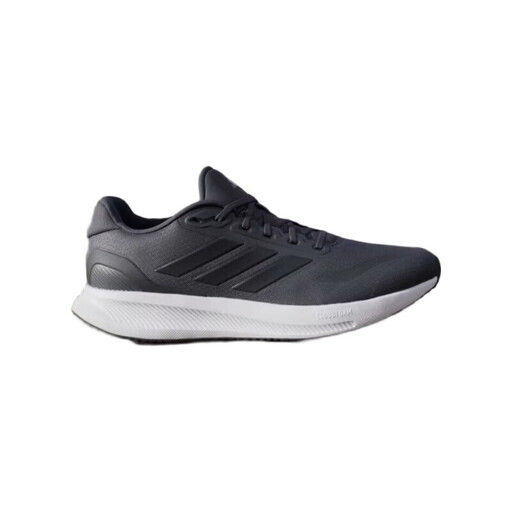
Why it suits this profile: According to the product description, this model is designed for everyday training, treadmill running and track sessions. The mesh upper, Cloudfoam midsole and OrthoLite insole make it a good option if you're looking for one pair for sport and everyday wear.
The intended use and materials are clearly specified. So you won't mistake a casual look for a shoe that's also offered for training.
Mesh upper, Cloudfoam midsole, Adiwear outsole and size 40 2/3, with a stated foot length of 25,9 cm.
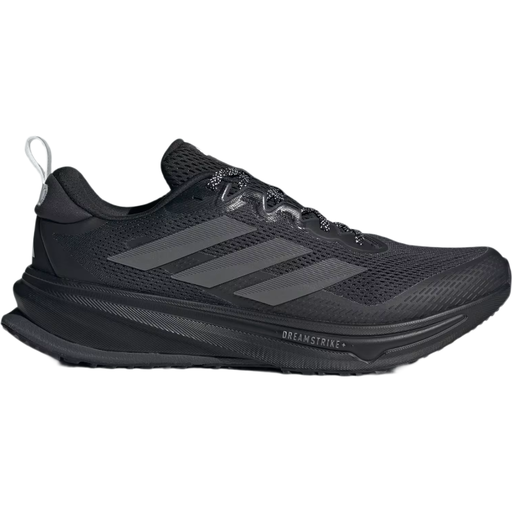
Why it suits this profile: According to the product information, this model features an ATR construction, a cushioned insole and adjustable laces. It's an appealing option if you want to combine comfort, a secure fit and a versatile look.
The description specifically mentions a construction for different terrains, but doesn't guarantee suitability for every surface. Check your usual running route before ordering.
Synthetic and textile upper, rubber outsole, cushioned insole and lace fastening for an adjustable fit.
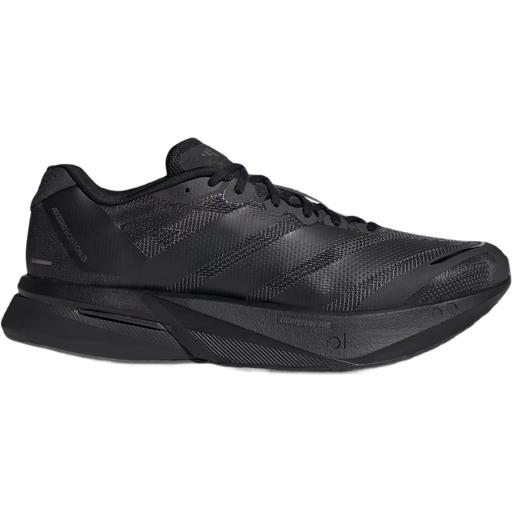
Why it suits this profile: According to the product description, this model is designed for intensive training and race preparation. The combination of Lightstrike Pro, ENERGYRODS, a textile upper and Lighttraxion outsole is suited to runners looking for a more direct feel during training.
Its intended use is more clearly defined than that of general-purpose black men's sports shoes. That makes it less likely you'll choose based on appearance alone.
Lightstrike Pro midsole, ENERGYRODS, breathable textile and Continental Rubber at the toe, according to the product information.

Why it suits this profile: According to the product information, this model is designed for varied terrain, from city streets to mountain paths. Its mesh and woven upper, EVA midsole and ROCKYTEC rubber outsole make it suitable for trail and all-terrain use.
According to the product description, the sole is specifically designed for wet rocks, mud and loose sand. Check that your chosen version has the same sole variant.
Lightweight mesh, EVA midsole, rubber ROCKYTEC outsole and a choice of regular or narrow fit, according to the product information.
We've put together a complete, up-to-date list of products that meet these strict selection criteria and the applicable European safety regulations.
Clean your running shoes with a damp cloth, unless the product information says otherwise. Many models aren't machine washable. Leave them to dry at room temperature and avoid radiators or direct heat. If you run often, alternate between pairs so the materials have more time to recover.
Lifespan depends on how often you run, the surface, your body weight, the fit and how well you care for your shoes. Don't replace a pair based only on a set timeframe. Look out for visibly worn tread, cracks in the sole or a noticeable change in fit.
It depends on the model. According to their product descriptions, the Adidas Runfalcon 5, Adidas Supernova Ease and various Skechers models are offered for everyday wear or light workouts. Always check that the shoe is suitable for the intensity of your training.
Measure your foot at the end of the day and compare its length with the size chart for the specific model. Check the fit too: a regular fit isn't automatically suitable for a wide foot. If you're unsure about half sizes, the stated foot length is a useful extra check.
For easy running and everyday wear, many people choose a midsole that feels softer underfoot. For faster runs or intensive training, a more direct and responsive model may feel more comfortable. There's no one level of cushioning that's right for every runner; your choice depends on the surface, distance and personal preference.
