
Vandaag of morgen in huis

Kwaliteit gegarandeerd

Welkomstaanbiedingen ontgrendelen: GRATIS bezorging | Tot 80% korting | Gratis 30 dagen JoyPlus-proefperiode
Download de app
A black freezer is more than just a practical appliance; it's a design choice that gives your kitchen a modern and sleek look. But the search can feel like a maze of specifications and marketing jargon. Before you make a decision, it's crucial to know a few common pitfalls that can unnecessarily drive up costs.
As a Joybuy Product Recommendation Officer, I'm here to help you filter through the noise. Here are the three key points to consider to choose a model that truly fits your needs, without overpaying.
To make the right choice, focus on the specifications that truly matter. These are the three most important factors that determine if a black freezer is right for your situation.
The required capacity depends on your household. As a rule of thumb:
Always measure the available space accurately before you order. Don't forget to leave about 5 cm of free space at the back and sides for ventilation.
As mentioned, the annual energy consumption in kWh is the most important indicator of cost. You'll find this number prominently on the energy label. To estimate the annual costs, multiply this figure by your current electricity rate. An energy-efficient freezer with low kWh consumption will save you money in the long run, even if the purchase price is slightly higher.
The noise level, expressed in decibels (dB), is crucial for your living comfort. Keep these guidelines in mind:
Not every model is suitable for everyone. Below is a selection of black freezers that fit different user profiles, based on objective specifications.
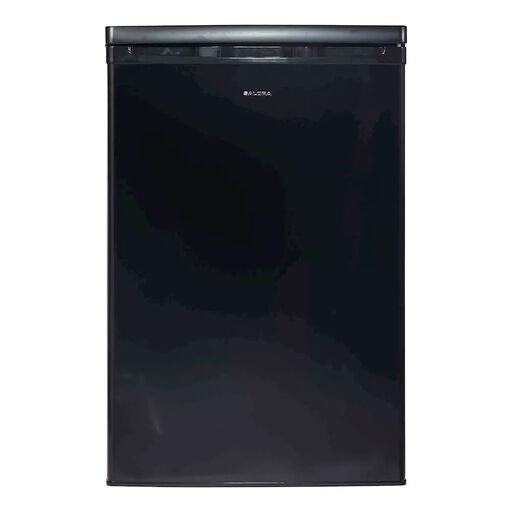
Why it's a match: Perfect for students or starters with a limited budget and space. This compact model is affordable and, with 91 litres, offers a surprising amount of storage for weekly groceries or a stash of frozen pizzas.
This model doesn't have an expensive No-Frost feature, which keeps the price down. For this size, occasional manual defrosting is a small effort that you'll feel directly in your wallet.
Four transparent drawers provide a clear overview, so you don't have to search for long. The reversible door allows for placement in any corner of the room.
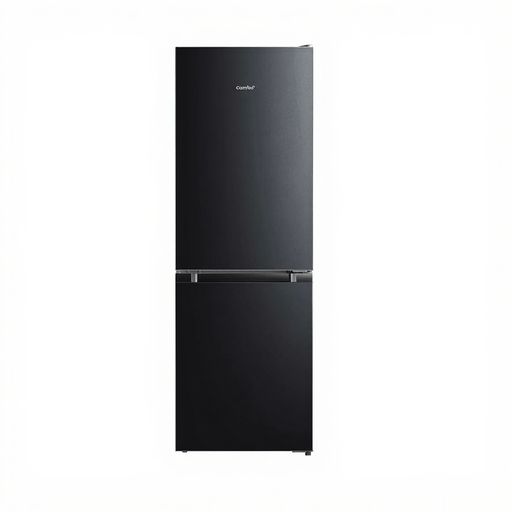
Why it's a match: A slim black fridge-freezer that's perfect for a modern apartment. It combines refrigeration (115L) and freezing (59L) in one stylish, space-saving appliance.
This model uses 'Low-Frost' technology. This is a smart compromise that significantly reduces ice build-up without the higher cost and potential space loss of a full No-Frost system.
The reversible door and adjustable feet make the appliance flexible to place, even on an uneven floor. The bright LED lighting ensures good visibility.
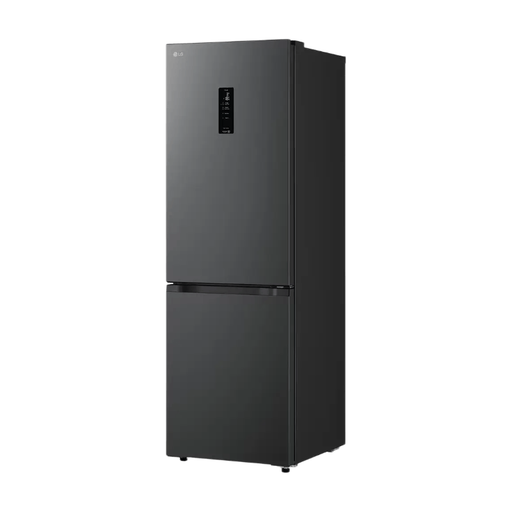
Why it's a match: For those seeking convenience, silence, and advanced features. With a total capacity of 333 litres and premium technology, this is a model for families or users who place a high value on quality.
It tackles the noise problem head-on with a very low noise level of 35 dB, making it a perfect quiet fridge-freezer. The Total No-Frost feature completely eliminates the need for defrosting.
According to LG, the DoorCooling+ and LinearCooling technologies provide more even and faster cooling, which improves the freshness of your food.
We have compiled a complete, up-to-date list of products that fully meet these strict selection criteria and all relevant safety regulations.
A freezer is considered quiet at a noise level of 38 decibels (dB) or lower. This is comparable to a whisper in a library. Models around 40 dB are standard, while anything above that can be perceived as clearly audible in a quiet environment like an open-plan kitchen or studio.
No-Frost circulates cold, dry air to completely prevent ice formation, so you never have to defrost manually again. Low-Frost significantly reduces ice build-up in the freezer, meaning you only need to defrost once a year or even less. Low-Frost models are often slightly more affordable.
This depends on the annual energy consumption in kWh on the energy label and your current electricity price. For example, a model with a consumption of 150 kWh at a rate of ?0.30 per kWh would cost ?45 per year. Always look at the kWh figure for a realistic estimate of the operational costs.
