
Vandaag of morgen in huis

Kwaliteit gegarandeerd

Welkomstaanbiedingen ontgrendelen: GRATIS bezorging | Tot 80% korting | Gratis 30 dagen JoyPlus-proefperiode
Download de app
A backpack may seem easy to choose, until your everyday essentials don’t fit, your laptop isn’t properly protected or the bag leaks when it rains. With a black backpack in particular, appearance and brand name are often given more weight than practical features.
So look out for these three common pitfalls:
For everyday use, a 20-litre backpack is often a practical starting point. This size will usually fit lunch, an extra layer, documents and a few accessories without feeling too large or cumbersome. If you also carry sportswear, shoes or travel essentials, consider a capacity of around 22 to 30 litres.
As well as the capacity, check:
A women’s backpack doesn’t necessarily need to be different from a men’s one. More important are the length of the back panel, adjustable shoulder straps and how the bag sits on your body.
A laptop backpack or backpack with a laptop compartment should offer more than just a separate pocket. Look for a soft or padded lining, enough room around the laptop and a base that keeps it from resting directly on the ground.
Ideally, the product information will state the maximum screen size. For example, according to its product description, the EASTPAK Out Of Office has a padded laptop compartment suitable for most devices up to 14 inches. The Lenovo ThinkPad Professional 2nd Generation is suitable for laptops up to 16 inches according to its specifications, while the Case Logic Notion has a raised compartment for a 14-inch laptop with EVA Impact Foam.
Measure your laptop if you’re unsure. Check its width, height and depth as well as its screen size in inches.
A commuter backpack is often worn for hours at a time. Check whether the back panel is padded, the straps are adjustable and there’s a handle for carrying it over short distances.
Polyester and nylon are common materials. They’re lightweight and suitable for everyday use, but the finish varies from product to product. A water-repellent backpack can come in handy in the British weather, but treat this description as protection against light rain unless the brand specifies a particular waterproof rating.
For sports and cycling, a secure fit also matters. A loose bag can swing from side to side as you move. If you’re choosing a sports backpack, look for a chest strap, hip belt or a shape that sits close to your body.
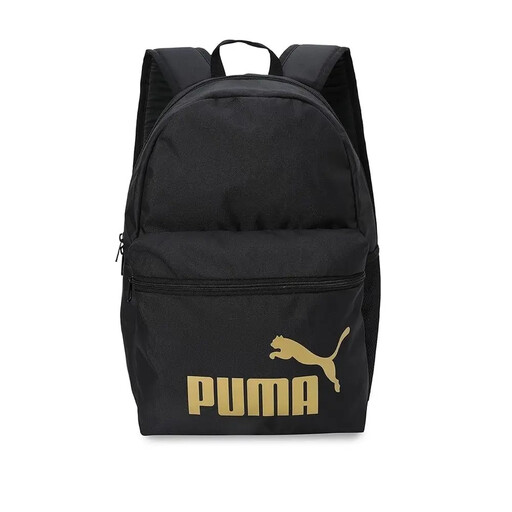
Why it suits this need: The layout is easy to navigate for school, sport and everyday use. With a 22-litre capacity, this bag has a sporty black look.
The product information gives specific dimensions of 44 × 30 × 14 cm and states that the main compartment has a two-way zip, making it easier to judge the size.
22 litres, padded back panel, adjustable shoulder straps and a mesh side pocket.
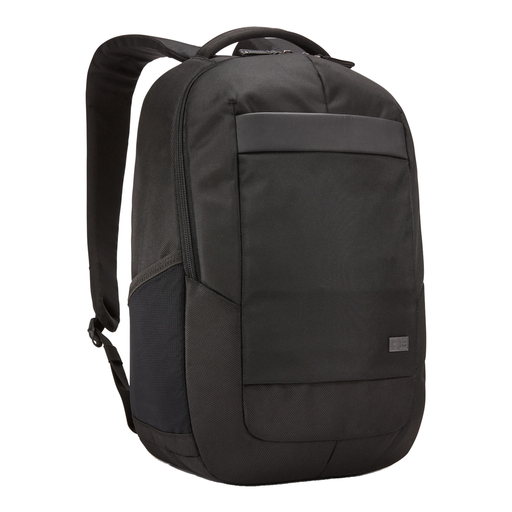
Why it suits this need: This black laptop backpack is designed for commuting and everyday use, with space for a laptop, tablet, documents and accessories.
The maximum screen size of 14 inches and the dimensions of the laptop compartment are specified, so you don’t have to rely solely on the general product name.
EVA Impact Foam, padded shoulder straps, an organisation panel and a weight of 610 grams.
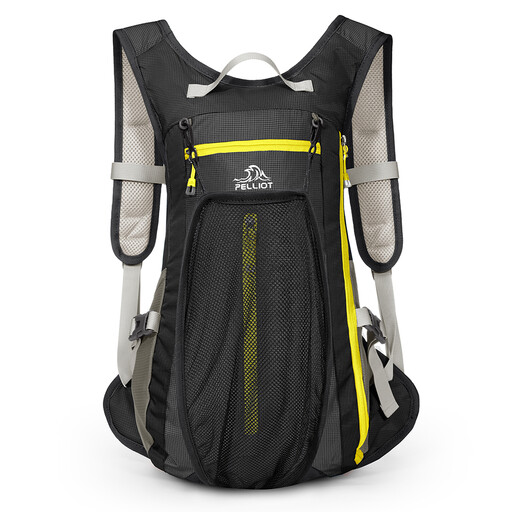
Why it suits this need: This bag is designed for cycling and trail running. According to the product information, size L/XL has a capacity of 15 to 20 litres.
The adjustable sizes, torso lengths and hip belt measurements are listed, so you can check the fit before ordering.
Grid polyester, breathable mesh, several compartments and a design that can be adjusted to sit close to your body.
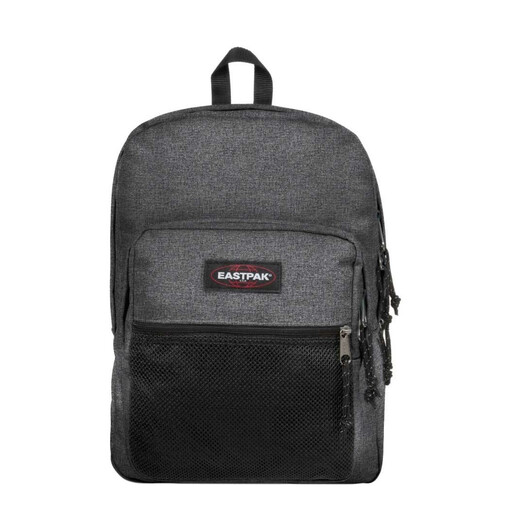
Why it suits this need: Two main compartments and a spacious front pocket make this bag suitable for A4 materials, clothes, books and everyday accessories.
Storage is divided between several compartments. The product information also states that the outer fabric is water-resistant, providing protection against light rain and spills.
Two main compartments, an organiser in the front pocket, a key clip and a padded back panel.
We’ve put together a full, up-to-date list of products that meet these strict selection criteria and the applicable European safety requirements.
For commuting and school, around 18 to 25 litres is often a good choice. Go for a larger capacity if you carry sportswear, shoes or travel essentials. As well as the litre capacity, consider the compartment layout and the dimensions of your belongings.
Its lifespan depends on the material, zips, seams, how heavily it’s used and how well it’s cared for. Overloading can shorten the life of the shoulder straps and zips. Clean the bag according to the product instructions and regularly check the seams and attachment points for signs of wear.
Not necessarily. Water-repellent fabric may protect against light rain, but it doesn’t mean the seams and zips are waterproof. If you’ll be out in prolonged rain, use a separate laptop sleeve or rain cover to protect valuable electronics, unless the manufacturer explicitly states that the backpack provides waterproof protection.
