For a study break, choose a biscuit that you can portion out in advance. It shouldn’t replace a meal or be treated as a study aid. Compare the nutritional information per 100 g for a plain digestive, wholemeal biscuit or speculoos, and if you need a gluten-free option, always check the label and allergen information on the current packaging. The Netherlands Nutrition Centre advises eating regularly during exam weeks, drinking enough and avoiding constant snacking.
Who might find these options useful?
If you want a small, planned snack
You want something crunchy to eat during a study break without repeatedly reaching into the packet. The Netherlands Nutrition Centre advises eating regularly during test and exam weeks and avoiding constant snacking.
If you want to compare the fibre content of biscuits
You’re checking the fibre per 100 g, while also taking sugars, saturated fat and salt into account. Biscuits don’t replace other sources of fibre, such as wholemeal bread, vegetables and fruit.
If you need to check for gluten or other allergens
You need a biscuit whose current ingredient and allergen information suits your needs. Even with a product labelled gluten-free, check for any other allergens that are relevant to you.
What should you look for when choosing?
First, work out which ingredients and allergens matter to you. Then compare the portion sizes and nutritional information of biscuits you can actually eat.
| What to consider |
What to check before buying |
Who it matters to |
| Portion size and break-time routine |
Check the weight of each biscuit or portion, and decide in advance how many to take from the packet. |
If I fancy something crunchy during a study break, I’d rather set aside a small amount beforehand than keep eating from the packet. Portion control is the top priority for around 40% of consumers. |
| Fibre and nutritional value |
Compare fibre, sugars, saturated fat and salt per 100 g. |
When choosing between biscuits, I want to know how much fibre they contain without using that alone to judge the whole product. Around 30% of consumers prioritise this comparison. |
| Gluten and allergens |
Read the current label; if you need a gluten-free option, look for a clear gluten-free label. |
If I need to avoid certain ingredients, the label determines which biscuits are suitable for me. This check is the top priority for around 20% of consumers. |
| Flavour and availability |
Choose a flavour, such as digestive or speculoos, and check where the variety you want is available. |
If several biscuits meet my other requirements, I’ll choose one I enjoy during a short break and can buy easily. This matters most to around 10% of consumers. |
Common mistakes
-
Assuming the name ‘digestive’ is a promise
The product name doesn’t prove that a biscuit improves digestion or concentration.
Choose based on the ingredients, nutritional information and portion size, not on an assumed benefit while studying.
-
Focusing only on ‘wholemeal’ or fibre
More fibre doesn’t tell you everything about a product’s nutritional value. For example, the Wholemeal Biscuits listed by Jumbo contain 6.1 g of fibre and 18.2 g of sugars per 100 g.
For similar biscuits, compare the fibre, sugars, saturated fat and salt per 100 g side by side.
-
Mistaking a regular digestive for a gluten-free biscuit
The regular digestives described here contain wheat. A gluten-free chocolate variety may also contain other allergens, such as milk and soya.
Before buying, check the current packaging for a gluten-free label and for any allergens that are relevant to you.
Brands to compare
McVitie's
Digestives Original is a regular wheat biscuit sold in a 400 g packet.
- According to the product information on Jumbo, this variety contains 3.7 g of fibre per 100 g; each biscuit weighs 14.7 g.
- The same variety contains wheat, may contain milk and also lists 15.1 g of sugars, 10.1 g of saturated fat and 1.3 g of salt per 100 g.
Jumbo
Jumbo lists both wholemeal biscuits and a gluten-free digestive with milk chocolate.
- The Wholemeal Biscuits listed contain 6.1 g of fibre per 100 g. The gluten-free chocolate variety is a different product, not the same biscuit.
- The Wholemeal Biscuits were no longer available in the online range on the page consulted. According to Jumbo, the gluten-free chocolate variety contains milk, oats and soya; check the current packaging.
Albert Heijn
AH Digestive is a regular digestive sold in a 400 g packet.
- Albert Heijn’s product page lists 3.2 g of fibre and 16 g of sugars per 100 g for this variety.
- The biscuit contains wheat. Albert Heijn notes that ingredients and allergen information may change, so check the current label.
Lotus Biscoff
Lotus Biscoff Speculoos is a spiced biscuit, not a digestive or wholemeal biscuit.
- The 250 g packet described by Albert Heijn contains around 32 biscuits, each weighing 7.8 g.
- The product information lists 1.3 g of fibre and 38 g of sugars per 100 g, as well as wheat and soya. So don’t compare this product as if it were an interchangeable wholemeal biscuit.
Biscotto (ALDI)
Biscotto Digestive Biscuits are classic wheat biscuits that ALDI describes as coming in a 400 g packet.
- ALDI lists around 27 biscuits per packet, which can help you decide how many to have during one break.
- Check the ingredients, allergens and nutritional information on the packet before comparing this variety with other biscuits.
Biscuits for different study breaks
These products offer a choice of regular digestives, speculaas and speculoos. First, choose a variety that suits your ingredient and allergen requirements; then consider portion size and nutritional information.
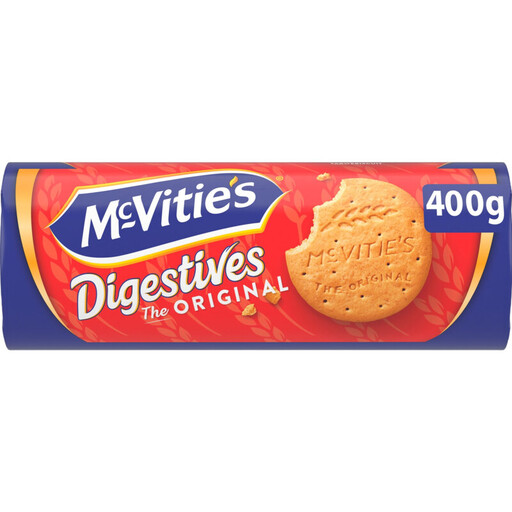 Image unavailable
McVitie's Digestive Original, 400 g
A regular digestive for anyone who can eat wheat biscuits and wants to set aside a portion for their break in advance. According to the product information on Jumbo, each biscuit weighs 14.7 g; this variety contains 3.7 g of fibre per 100 g and may contain milk.
View at Joybuy
 Image unavailable
Hellema Smoeltjes Speculaas, 8 pieces, 200 g
A speculaas option if you’re looking for something different from a digestive. The product name lists 8 pieces and 200 g; check the packet for the weight per piece and any allergens that are relevant to you.
View at Joybuy
 Image unavailable
Lotus Biscoff Speculoos, 250 g
Speculoos for anyone who prefers the flavour of a small biscuit to a fibre-focused option. Albert Heijn’s product information lists around 32 biscuits per packet, 1.3 g of fibre and 38 g of sugars per 100 g; check the label if you have a wheat or soya allergy.
View at Joybuy
Frequently asked questions
Does a digestive biscuit help with digestion or concentration?
The name ‘digestive’ doesn’t prove that the biscuit has any effect on digestion or concentration. During exam weeks, the Netherlands Nutrition Centre recommends eating regularly and avoiding constant snacking; don’t choose a biscuit as a study aid.
How do I compare the nutritional value of two biscuits?
Compare the values per 100 g so that differences in portion size don’t skew the comparison. Check fibre, sugars, saturated fat and salt, and also read the ingredients list.
Is a regular digestive suitable if I need to avoid gluten?
Don’t assume that a regular digestive is gluten-free: the regular varieties described here contain wheat. Look for a product clearly labelled gluten-free, and check the current label for any other allergens that are relevant to you.
Where can I check the allergen information?
Read the current label on the packaging before eating the product, even if you’ve already checked the product information online. Albert Heijn warns that the ingredients and allergen information for its AH Digestive may change.
How can I keep a biscuit break short while studying?
Take a small amount from the packet in advance instead of repeatedly reaching for it while you study. The Netherlands Nutrition Centre advises against constant snacking during exam weeks and also suggests options such as fruit, a sandwich with a filling, and water or tea.


