
Host catering for a specific allergen
You’re looking for biscuits whose ingredients and any warnings are suitable for what your guest needs to avoid. A general claim on the front of the pack is no substitute for checking.


Start with the allergen a guest needs to avoid, not the flavour or size of the sharing pack. A ‘gluten-free’ label tells you nothing about other allergens, so check the current label on each product and keep suitable biscuits separate from other snacks when serving.
You’re looking for biscuits whose ingredients and any warnings are suitable for what your guest needs to avoid. A general claim on the front of the pack is no substitute for checking.
You want to offer gluten-free biscuits, but you’re also checking whether other ingredients or warnings matter to your guests. The gluten-free product examples reviewed here differ in this respect.
You’re putting out a selection of snacks and want to keep the packaging easy to identify, serve portions separately and use different serving utensils for each product.
First, find out what your guests need to avoid. Then consider the packaging and how easy the biscuits are to share. A large bag, a gluten-free label and individually wrapped portions each answer a different question.
| What to consider | What to check when buying | Who is this most important for? |
|---|---|---|
| Specific allergen | Ask what the guest needs to avoid, then read the ingredients list and any warnings on the current packaging. | If a guest needs to avoid a particular allergen, I want to know whether it’s listed on the pack before choosing. For an estimated 36% of consumers, matching a specific allergen is the top priority. |
| Gluten-free label | Check the label as well as the other ingredients and allergen information for that exact variant. | When gluten is my first selection criterion, I don’t want to overlook the fact that a gluten-free biscuit may contain other relevant allergens. Around 29% of consumers put this gluten check first. |
| Serving separately | Check whether portions can be kept clearly separate, and use dedicated serving utensils for different snacks. | When there are several snacks on the table, I want to stop suitable biscuits coming into contact with other products. This is the main concern for an estimated 21% of consumers. |
| Quantity and ease of sharing | Compare the net weight and number of portions only once you’ve found products suitable for your guests. | Once I’ve checked the allergens, I want to be able to serve enough biscuits without losing track. For around 14% of consumers, this practical planning is the biggest consideration. |
A gluten-free biscuit may contain other relevant allergens. For example, Jumbo lists almond, egg, lupin, milk and soya in its gluten-free filled biscuit.
Compare the full allergen information for the product you’ve chosen with what each guest needs to avoid.
For the Lotus Biscoff Speculoos pack reviewed, Albert Heijn lists around 32 biscuits. That number says nothing about whether they’re suitable for a guest with a specific food allergy.
Check the allergens before deciding how many packs or portions you’ll need.
When you’re serving snacks, different products can come into contact through shared serving utensils. Anaphylaxis UK advises using separate utensils for different products when serving food to a group.
Set suitable biscuits apart, keep their packaging available and use separate serving utensils for each group of snacks.
What matters is the information on the pack you’re actually going to serve, not just what you remember from a previous purchase.
Read the packaging again when you buy the biscuits, and keep it available when serving for guests who want to check it themselves.
Use these product examples to compare pack formats and labels, not as proof that an entire range is suitable for every allergy.
Albert Heijn lists Lotus Biscoff Speculoos in a 250 g pack containing around 32 biscuits.
Albert Heijn’s AH Glutenvrij range includes almond biscuits and oat biscuits. The product page states that the almond biscuits are made in a completely gluten-free environment.
Jumbo’s Lekker Vrij van Gluten range includes speculaas, among other products.
Jumbo lists Schär Digestive Landtaler as gluten-free biscuits in a pack of 3 × 50 g.
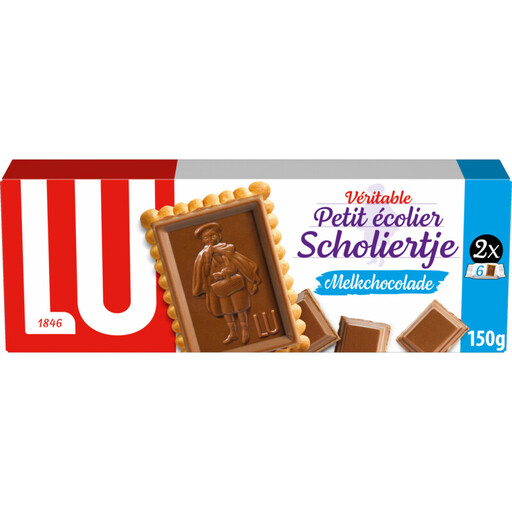
This biscuit is worth considering if you’re looking for a pack to share. Before buying, check that the allergens in this variant are suitable for the guests you’re putting the biscuits out for.
 No image available
When sharing these biscuits, checking the allergens matters more than the 150 g pack size. This variant contains milk, wheat, soya and cereals containing gluten, and also carries a warning that it may contain nuts. Check the current label before serving.
Yes. The Netherlands Food and Consumer Product Safety Authority requires 14 allergens to be declared on prepacked foods. The European Commission says allergens must be highlighted in the ingredients list. Read the list for the specific product you plan to serve.
No. Gluten-free doesn’t mean free from other allergens. For example, Jumbo lists almond, egg, lupin, milk and soya in a gluten-free filled biscuit. Always compare the full product information with what your guest needs to avoid.
Take the warning into account when choosing food for a guest who needs to avoid that allergen. You can’t tell from the front of the pack whether the product fits their personal guidance; if in doubt, let the guest check the current information themselves.
Use the product page to compare options in advance, but also read the packaging you receive before serving. That way, your choice is based on the ingredients and warnings for the product that will actually be on the table.
Keep the biscuits and their packaging clearly separate, and use different serving utensils for different snacks. This follows Anaphylaxis UK’s advice not to use the same utensils for different products when serving food to a group.