
Vandaag of morgen in huis

Kwaliteit gegarandeerd

Welkomstaanbiedingen ontgrendelen: GRATIS bezorging | Tot 80% korting | Gratis 30 dagen JoyPlus-proefperiode
Download de app
Buying biscuits and sweet snacks online might seem straightforward. However, products vary greatly in taste, size, packaging, origin and allergen information. A striking packet or a well-known brand name doesn't always tell the full story. If you check a few key specifications beforehand, you can make a more informed choice for home, on the go, with your coffee or for sharing.
A multipack may look appealing, but first check the total weight and price per 100 grams. A box with several small portions can be handy for school, work or travelling, while a large bag is better suited to sharing. So don't just compare the number of packets – compare the contents too.
Terms like "special flavour", "premium" or "original" tell you very little about what's actually inside. Always check the ingredients list, the percentage of chocolate or butter, and the nutritional information. For example, the KitKat Gold Wafer Chocolate Salted Caramel Flavor 9 Pieces states an energy value of 62 kcal per piece (approximately 11.6 g). That helps you judge the portion size more realistically than relying on the product photo alone.
With Japanese snacks, Korean snacks and other imported snacks, the packaging, language and product information may differ from what you're used to. Always check the Dutch or European information on the product you receive, especially the allergens, best-before date and storage instructions. The product listing for Glico Pocky Strawberry, for instance, notes that the packaging may contain more or different information than the website.
A 45 g biscuit is practical for on the go, whereas a 468 g pack is better suited to sharing. Pay attention to:
Check whether the product contains gluten, milk, soya, egg, peanuts, nuts or sesame. This is especially important with chocolate biscuits, wafers and snacks made in shared production facilities. Here are a few examples from the product information:
If you have an allergy or intolerance, the label information on the packaging is what you should rely on.
Compare nutritional values per 100 g when you're weighing up different biscuits or chocolate bars. The values can vary considerably. For example, the product information lists 502 kcal per 100 g for Oreo Birthday Cake Flavored Cookies and 562 kcal per 100 g for Milka Chocolate Bar and Chocolate Cookies.
Also look out for ingredients that define the taste and texture:
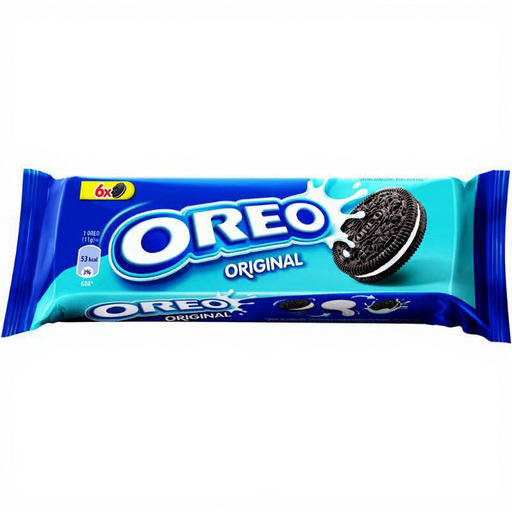
Why this suits the profile: A compact pack with a familiar combination of cocoa biscuits and vanilla filling, ideal for trying a smaller quantity first.
The 66 g content makes the purchase more manageable than jumping straight to a large multipack. The product information states 476 kcal per 100 g and lists the allergens present.
66 g; 29% vanilla filling according to the product description; ready to eat.
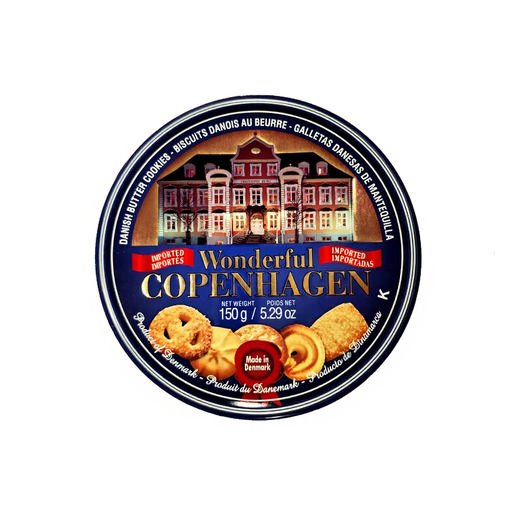
Why this suits the profile: A tin of Danish butter cookies, perfect with coffee, tea or when you have guests.
The butter content is clearly stated in the product information: 26%. This means you can compare the recipe rather than relying on the packaging alone.
150 g; 26% butter; ideal for serving and sharing.
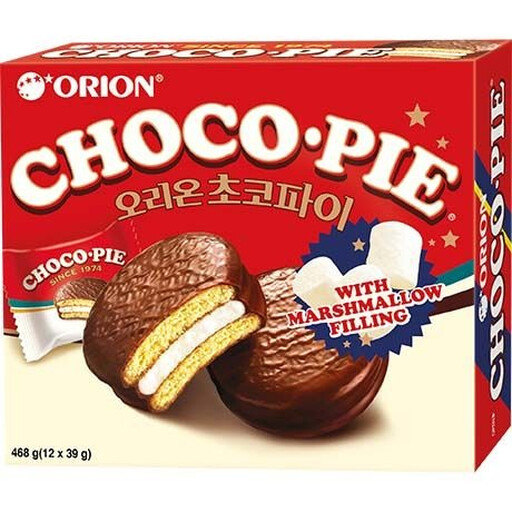
Why this suits the profile: The large pack is practical for households, parties or fans of Korean snacks who want to keep several portions on hand.
The 468 g content is clearly stated. Store the pack according to the instructions and check the date and allergens on the product you receive.
468 g; combination of sponge cake, creamy filling and chocolate coating according to the product description.

Why this suits the profile: Four individual croissants are ideal for a simple breakfast or a snack without opening a large box of sweet treats.
The number of pieces and weight are clear upfront: 4 pieces and 180 g. The product description also states 25% butter, so you can compare with confidence.
4 pieces; 180 g; 25% butter according to the product information.
We've put together a full, up-to-date list of products that fully meet these strict selection criteria and comply with current European safety regulations.
That depends on your preference. Butter cookies often have a buttery, crunchy texture. Chocolate biscuits like Oreo, Chips Ahoy! or g'woon Crispy Brownie suit those looking for a more pronounced cocoa flavour. For a softer snack, you could choose a Choco Pie or a filled cake.
Store biscuits, wafers, chocolate bars and sweets in a cool, dry place, away from direct sunlight and out of the reach of heat and moisture. Seal the packaging well after opening. Heat can affect the texture or appearance of chocolate. Always check the storage instructions on the packaging.
Check the Dutch allergen information, ingredients, net weight, origin and best-before date. Japanese snacks like Pocky and Meito Pukupukutai are often individually wrapped or sold in single portions. Korean snacks such as Orion Choco Pie are also available in larger packs. Choose the size based on how much you'll eat and whether you'll be sharing, rather than relying on the product photo alone.
