
Gift-givers planning a treat
You’re looking for a festive gift that the recipient can enjoy one biscuit or chocolate at a time, saving or sharing the rest if they wish.


Give biscuits or chocolate only if a planned treat fits the recipient’s preferences. Compare the nutritional information per 100 g and check the weight of each biscuit or chocolate: individually wrapped pieces make sharing easier, but don’t change the nutritional content. If the recipient would rather not receive sweets, a non-edible gift is a better choice.
You’re looking for a festive gift that the recipient can enjoy one biscuit or chocolate at a time, saving or sharing the rest if they wish.
You want to compare nutritional information per 100 g, then consider what the amount you actually eat means. The Consumers’ Association recommends comparing products per 100 g, as portion sizes can vary between packs.
You need to know whether this particular product suits your needs. With an assortment of different chocolates, it’s especially important to check the ingredients and allergen information on the current packaging.
Biscuits and chocolate boxes mainly differ in the kind of treat you want to give. If sweets don’t suit the recipient’s preferences, you don’t have to choose between the two.
A good choice when: The recipient enjoys having an individual biscuit with a cup of coffee.
Consider: A clearly defined piece size makes it easy to choose how many to have, but it doesn’t tell you anything about the nutritional content on its own.
A good choice when: The gift is intended for sharing or saving the chocolates for a planned occasion.
Consider: Individually wrapped chocolates are easier to share, but they don’t determine how many someone will ultimately eat.
A good choice when: The recipient has said they’d rather not receive biscuits or chocolate.
Consider: A non-edible gift doesn’t have the traditional feel of a chocolate box, but it does respect their wishes.
| What to consider | What to check before buying | Who it matters to |
|---|---|---|
| Nutritional information and occasion | Compare similar products per 100 g and check how many grams you want to give or have for one occasion. | If I want to plan a treat for a specific occasion, I want to know what the chosen amount involves. Around 42% of shoppers making this choice prioritise the occasion for eating it. |
| Piece size and ease of sharing | Check the number of pieces, the weight per piece and whether they’re individually wrapped. | If I’m choosing a gift we can share, I want to be able to agree easily on how many pieces to have. Around 33% of shoppers prioritise having a clear portion limit. |
| Ingredients and allergens | Check the ingredients, allergens and any warnings about possible traces on the current packaging. | If the recipient has an allergy or dietary restriction, I need to know first whether this product is suitable. This is the main concern for around 25% of shoppers. |
A wrapper can make it easier to divide up the pieces, but it doesn’t change the ingredients in biscuits or chocolate.
Agree in advance how many pieces are intended for the treat, then save or share the rest.
Descriptions such as dark or Fairtrade don’t tell you how much sugar or fat a product contains, or which allergens it includes. According to the Netherlands Nutrition Centre, dark chocolate also contains calories and saturated fat.
Read the ingredients list and nutritional information before choosing based on flavour or packaging.
Different flavours in one box can contain different ingredients. For someone with an allergy, the ingredients in the particular variety they choose may be crucial.
If necessary, ask about allergies and check the current label, including any warnings about possible traces. If you’re unsure what the recipient would like, choose a non-edible gift.
Portion sizes can vary from one manufacturer to another. The Consumers’ Association therefore recommends comparing nutritional information per 100 g first.
Then check the weight of each piece or the number of pieces you actually want to have.
According to Joybuy, the Lotus Biscoff Speculoos pack reviewed contains around 32 biscuits; Albert Heijn lists each biscuit as weighing 7.8 g.
According to Albert Heijn, the gift box contains 32 individually wrapped chocolate bars.
According to Albert Heijn, the Tiny's gift box contains 22 individually wrapped chocolates in different flavours.
This selection includes biscuits and multipacks of chocolate that you could consider for a treat. Check whether the format is right for the gift: a multipack isn’t necessarily a gift box.
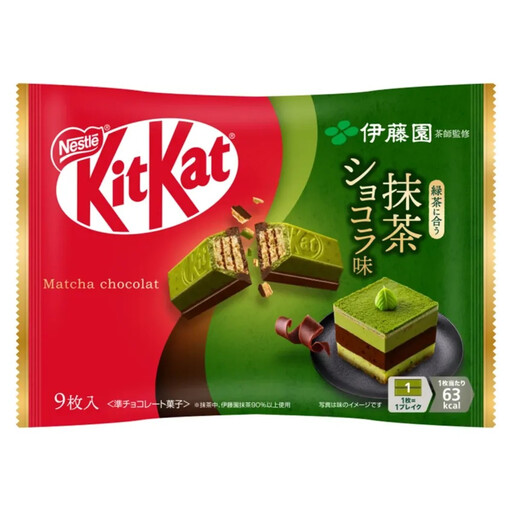 No image available
The nine pieces give you a set number to divide up or share in advance. For comparison, check the nutritional information per 100 g, and if you have allergies, check the current label.
 No image available
If you’re planning a biscuit with a cup of coffee, compare the weight of one biscuit with the nutritional information per 100 g. Albert Heijn lists each of these Speculoos biscuits as weighing 7.8 g; check the current pack if you’re buying for someone with an allergy.
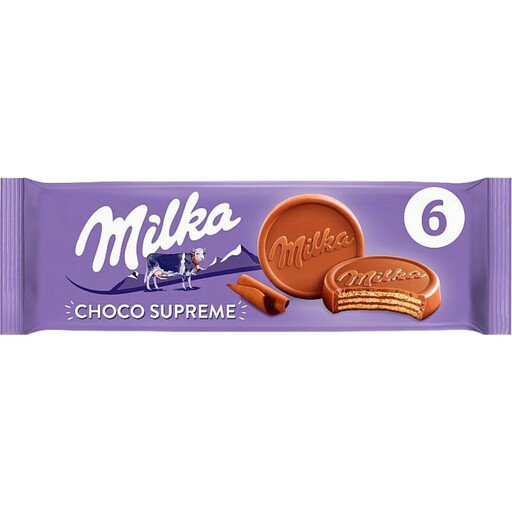 No image available
Consider these chocolate wafers if you want to be able to share the gift. Check the current pack for the weight of one wafer if you want to agree on a number of pieces, and check the allergens.
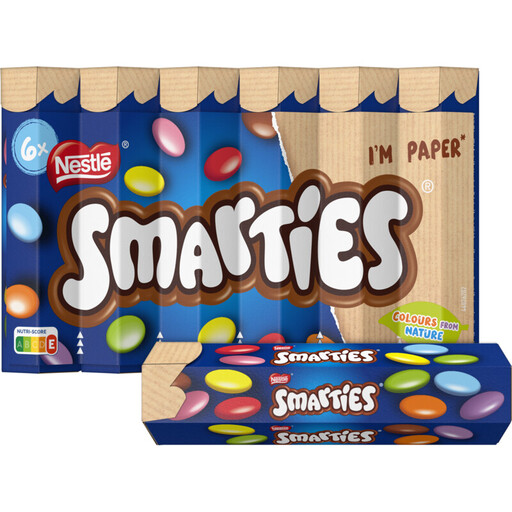 No image available
The six tubes give you individually packaged portions to hand out. If you want to plan how much to have from one tube, check the portion size and nutritional information on the pack; remember to check the allergens too.
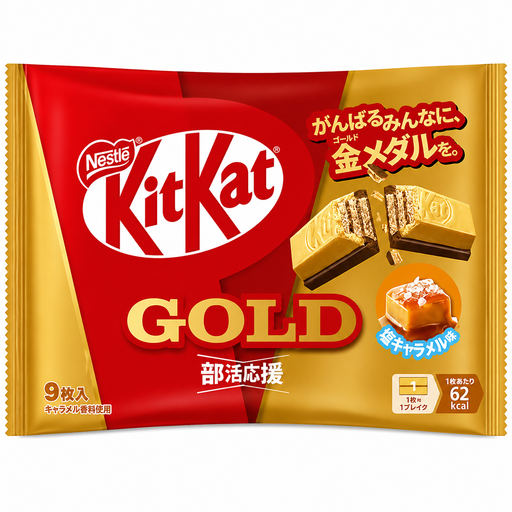 No image available
The pack of nine chocolate wafers gives you a set number to divide up in advance. Compare the nutritional information per 100 g on the current pack with other products, and check the allergens before giving them as a gift.
No, biscuits and chocolate aren’t weight-loss products. The Netherlands Nutrition Centre recommends the Wheel of Five as the basis of a diet when you want to lose weight. If someone would still like sweets as a gift, consider the amount and when they’ll be eaten.
Compare similar products per 100 g first. The Consumers’ Association points out that manufacturers use different portion sizes; then check the stated weight per piece to assess how much you actually want to have.
Read the allergen information on the specific pack and check for any warnings about possible traces. According to the Netherlands Food and Consumer Product Safety Authority, allergen information must appear on the label of pre-packed foods. With an assortment, don’t assume that all the flavours have the same ingredients.
Follow the storage instructions on the packaging of the box you’ve chosen. Also check the best-before date and make sure the packaging is undamaged before giving it as a gift.
Use the current packaging of the product you’re buying to check the ingredients and allergens. Product information can change, so if you have an allergy or dietary restriction, an older product description isn’t a substitute for the label.