Who is this choice relevant to?

Anyone searching for ‘digestive toast’

If you’re adding just one crunchy product to your first shopping list, first decide whether you mean a biscuit to enjoy with coffee or tea, or something to top with your favourite things. Albert Heijn describes digestives as biscuits, while Van der Meulen presents melba toast as a base for toppings.

Anyone comparing wholegrain products and fibre

A wholegrain option may suit what you’re looking for, but the product name doesn’t tell you everything about its nutritional value. For the options you’re considering, compare fibre, sugars and salt per 100 g, as well as the ingredients list.

Anyone who needs to check allergens

Check the exact packaging before you buy. Digestive biscuits, melba toast and rusks don’t necessarily have the same ingredients or allergen information, and products within the same category can vary too.

What should you look for when choosing?

Digestive biscuit

Choose this if: you want a biscuit to enjoy with coffee or tea, or as a snack.

Bear in mind: a digestive is a biscuit, not a small toast slice to top with your favourite things.

Melba toast

Choose this if: you’re looking for small, crunchy toast slices to top or serve as a snack with drinks.

Bear in mind: even with a wholegrain option, you’ll need to check the salt and allergen information for each product.

Rusks

Choose this if: you want rusks with toppings for breakfast, lunch or a snack.

Bear in mind: rusks are a different kind of base from small toast slices for serving with drinks.

What to consider What to check before buying Who should pay particular attention?
The right product type Check whether the packaging says biscuit, toast or rusk, and think about how you plan to use it. If I want to serve toppings, I don’t want to come home with a packet of biscuits. Around 46% of consumers put choosing the right product type first.
Nutritional information and ingredients Compare fibre, sugars and salt per 100 g. If you have allergies, check the ingredients and allergen information too. When I’m choosing between options, I want to know what’s in the product, even if it says ‘wholegrain’. Around 27% of consumers prioritise comparing labels.
Pack size and storage Check the pack contents, whether it has individual portions and the storage instructions after opening. For my first stock-up, I want a pack that suits how often I’ll use it and how I can store it. Pack size and storage come first for around 27% of consumers.

Common mistakes

  • Taking ‘digestive’ as a promise about how it’s used or its health benefits

    The name can distract you from what you’re actually buying: a biscuit. It doesn’t make the product toast, and on its own it’s no reason to expect an effect on digestion.

    Check the product category and choose according to the occasion: a biscuit with coffee or tea, or a product you want to top with your favourite things.

  • Relying only on ‘wholegrain’ or ‘0% sugar’

    These claims don’t tell you everything about the nutritional value. For example, Albert Heijn lists sweeteners in its Digestive 0% sugar.

    Check the ingredients for the exact product too, and compare fibre, sugars and salt per 100 g.

  • Assuming allergens are the same across different products

    A biscuit and a toast slice may both contain grain without having the same allergen information. The specific option you choose matters too.

    If you have an allergy, check the current label on the pack you’re buying every time.

  • Assuming every product contains iodised baker’s salt

    According to the Voedingscentrum, using baker’s salt in bread isn’t compulsory. So you can’t tell which salt has been used just from a product being called ‘toast’ or ‘digestive’.

    If this matters to your choice, check the ingredients of the specific product.

Brands to consider

Albert Heijn

Albert Heijn describes several types of digestive biscuits, including regular, wholegrain and 0% sugar options.

  • The product information lets you compare the ingredients and nutritional values of the options listed.
  • Albert Heijn warns that product information can change, so check the packaging when you buy.

Jumbo

Jumbo describes its own digestive biscuits and also stocks a range of toast products, including melba toast from Van der Meulen.

  • For the Jumbo Digestive described, ingredients and nutritional values are given per 100 g and per serving.
  • Compare products individually: digestive biscuits and toast slices are designed for different uses.

Van der Meulen Melba

Van der Meulen offers melba toast in several options for anyone looking for small toast slices to top.

  • The description of its wholegrain melba toast makes clear that it’s a base for toppings.
  • ‘Wholegrain’ on its own tells you nothing about the salt content or whether it’s suitable if you have an allergy, so check the label.

Biscotto / ALDI

ALDI describes Biscotto Digestive Biscuits as wheat biscuits in a 300 g pack.

  • The product name and packaging help you decide whether these are the biscuits you’re looking for.
  • If you’re choosing based on nutritional value or allergens, check the information on the specific pack.

Products for different occasions

These products show different sides of the choice: a digestive biscuit for a biscuit break, crunchy products to top, and rusks. Crackers, crispbread and rice toast aren’t the same as melba toast.

McVities Digestive Original, 400 g

McVities Digestive Original, 400 g

For anyone looking for a digestive biscuit to enjoy with coffee or tea, rather than a toast slice to top. If you have allergies, check the current label.

View at Joybuy

Wasa Sourdough Rye Crackers, 235 g

Wasa Sourdough Rye Crackers, 235 g

For anyone looking for a crunchy base for toppings rather than a biscuit. This is rye crispbread, not melba toast. If you have allergies, check the label.

View at Joybuy
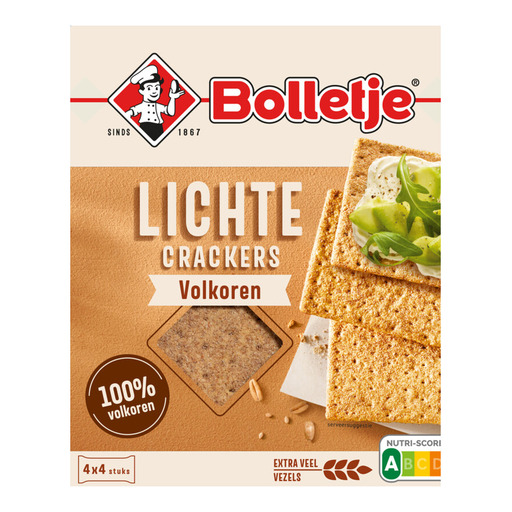
Bolletje Light Whole Grain Crackers, 190 g

Bolletje Light Whole Grain Crackers, 190 g

A cracker to consider if you’re looking for something crunchy to top; it isn’t a digestive biscuit or melba toast. Check the packaging for ingredients and allergen information.

View at Joybuy

Bolletje wholegrain rusks, 13 pieces

Bolletje wholegrain rusks, 13 pieces

For a rusk-and-toppings moment, rather than anyone looking for small toast slices to serve with drinks. The pack contains 13 pieces. If you have allergies, check the label.

View at Joybuy

Van Der Meulen Rice Toast Natural, 65 g

Van Der Meulen Rice Toast Natural, 65 g

For anyone considering rice toast instead of a biscuit. Don’t confuse this product with wholegrain melba toast, and check the packaging if you have allergies.

View at Joybuy

Frequently asked questions

Are digestive biscuits the same as toast?

No. Albert Heijn describes digestives as biscuits, while Van der Meulen presents melba toast as a base for toppings. Choose according to how you plan to use it, not just the search term.

Does ‘digestive’ mean a biscuit helps with digestion?

No, the name alone isn’t proof of any such effect. Treat a digestive as a biscuit and base your choice on the product description, ingredients and nutritional information.

What does ‘0% sugar’ mean on a digestive biscuit?

This claim doesn’t tell you everything about the ingredients or nutritional value. Albert Heijn lists sweeteners in its Digestive 0% sugar and warns that excessive consumption may have a laxative effect. So check the full packaging for the option you choose.

How can I tell whether toast or digestives contain iodised baker’s salt?

Check the ingredients of the specific product; its name won’t tell you. According to the Voedingscentrum, using baker’s salt isn’t compulsory, even in bread.

How should I store opened biscuits or melba toast?

Follow the storage advice on the packaging, and seal the product well after opening if instructed. The products described include storage instructions such as ‘store in a cool, dry place’.
