
Shoppers comparing sugars per 100 g
You want to know how much sugar a biscuit actually contains. So compare like-for-like products using the nutrition table, rather than relying on words such as ‘zero’ on the front of the pack.


When shopping, don’t choose based on a sugar claim alone: for biscuits, compare ‘of which sugars’ per 100 g. ‘Sugar-free’, ‘no added sugar’ and ‘reduced sugar’ each mean something different. Also check the nutritional information, sweeteners and allergens; according to the Netherlands Nutrition Centre, large amounts of polyols can cause digestive discomfort.
You want to know how much sugar a biscuit actually contains. So compare like-for-like products using the nutrition table, rather than relying on words such as ‘zero’ on the front of the pack.
You’re looking for a biscuit with less sugar, but first want to check whether it contains maltitol or other polyols. According to the Netherlands Nutrition Centre, large amounts of polyols can cause digestive discomfort.
You want a suitable biscuit to enjoy with a cuppa or as a snack, and you also consider the type of biscuit, packaging, portion size, allergens and what’s available on the shelf.
Use the claim to find products, but let the nutrition table per 100 g guide your comparison. Where possible, compare biscuits of the same type: a plain biscuit and a large cookie also differ in size and portion.
Choose these when: The stated sugar content per 100 g is your main priority. Albert Heijn lists 0.3 g sugars per 100 g for AH Digestive 0% Sugar.
Bear in mind: The AH biscuit reviewed contains polyols. Also check the rest of the nutritional information and the warning on the pack.
Choose these when: You want to avoid added sugar but don’t need the total sugar content to be close to zero.
Bear in mind: Naturally occurring sugars may still be included in the total. Albert Heijn lists 1.7 g sugars per 100 g for Verkade San Francisco zero.
Choose these when: A relative reduction in sugar and a conveniently packaged snack suit your shopping needs better. ALDI advertises a Goud Gebakken large biscuit with 30% less sugar.
Bear in mind: The claim alone doesn’t tell you how much sugar the biscuit contains per 100 g. Check the current packaging for this information.
| What to consider | What to check when buying | Especially relevant to |
|---|---|---|
| Sugars listed | Compare ‘of which sugars’ per 100 g, and check the rest of the nutritional information too. | I want to choose between similar biscuits based on their stated sugar content, without being swayed by the front of the pack. Around 42% of shoppers say this is their main priority. |
| Sweeteners and allergens | Read the ingredients, clearly highlighted allergens and any warnings about polyols. | If I’m sensitive to certain ingredients, a biscuit needs to suit me regardless of its sugar claim. This check matters most to around 33% of shoppers. |
| Packaging and availability | Check the product type, number of biscuits, portion size and current range. | When choosing a biscuit to have with a cuppa or as a snack, I want to know whether the pack suits my needs and whether I can pick it up while doing my shopping. This practical consideration comes first for around 25% of shoppers. |
Naturally occurring sugars may still appear in the nutrition table. Albert Heijn lists both 0% added sugar and 1.7 g sugars per 100 g for Verkade San Francisco zero.
Before deciding, compare the ‘of which sugars’ figure per 100 g.
Biscuits and the portions listed on packs vary in size. That means figures per biscuit aren’t always useful for comparing different packs.
Compare per 100 g first, as recommended by the Netherlands Nutrition Centre, then consider the portion you actually want to eat.
Biscuits reviewed with sugar-conscious labels included maltitol. According to the Netherlands Nutrition Centre, large amounts of polyols can cause digestive discomfort; the packs reviewed warn of a laxative effect if consumed in excess.
Read the ingredients and warnings on the current packaging, especially if you know you’re sensitive to polyols.
A biscuit with less sugar can still contain allergens. The products reviewed include wheat; other allergens vary by product.
Check the current ingredients list and allergen information every time you buy.
These brands offer examples of different biscuits and sugar claims. Check the label on the specific product; its inclusion here doesn’t reflect the brand’s entire range.
AH Digestive 0% Sugar biscuits are an example for shoppers who want to focus on the stated sugar content per 100 g.
The speculoos almond and coconut biscuits reviewed are labelled ‘sugar-free’, but they are different varieties.
San Francisco zero is an example of a biscuit labelled ‘0% added sugar’.
The ALDI large biscuit reviewed is a different type of product from a plain biscuit and carries a relative reduced-sugar claim.
Regular speculoos is included here as a flavour-led comparison, not as a biscuit with a reduced-sugar claim.
These products highlight three different options: a biscuit bar described as having less sugar, biscuits with no added sugar, and oat biscuits whose sugar claim needs a closer look. Check the current packaging and product type before choosing.
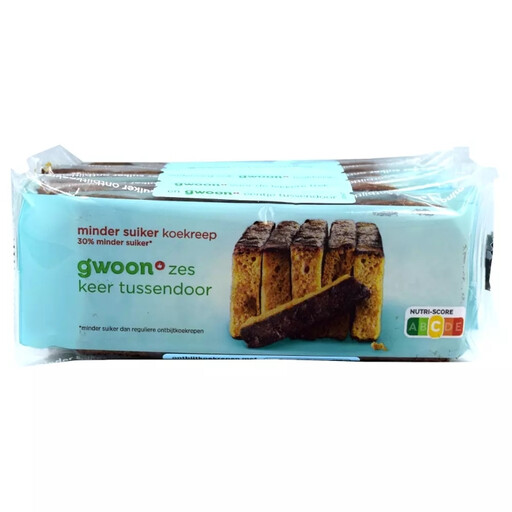 Image unavailable
A biscuit bar to consider if you’re looking for a product labelled as having less sugar while doing your shopping. According to the product name, the pack contains six pieces. Compare ‘of which sugars’ per 100 g and check what the ‘Less Sugar’ label refers to on the packaging; also read the allergen information.
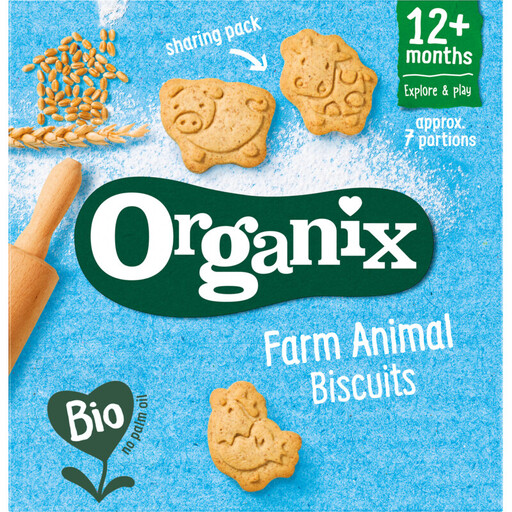 Image unavailable
Biscuits to consider if you’re specifically looking for a variety with no added sugar; this doesn’t mean they contain no sugars. The product name indicates a 100 g pack. Check ‘of which sugars’ per 100 g, along with the current ingredients and allergen information.
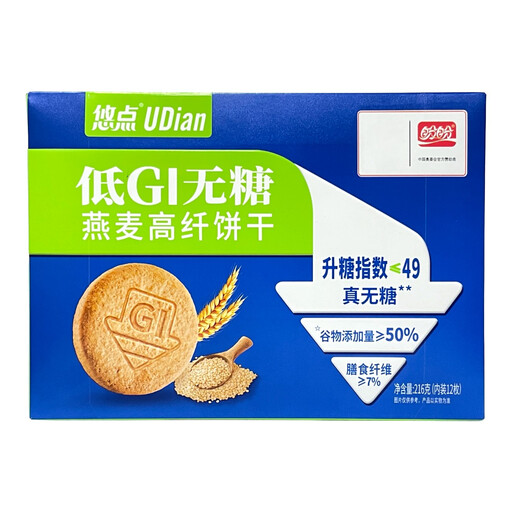 Image unavailable
These oat biscuits are only useful for comparing sugar content if you check the current nutrition information. The product name states 216 g and uses the ‘Sugar-Free’ label, while the associated product information lists 11.7 g sugars per 100 g. So don’t rely on the sugar claim alone, and check the ingredients and allergens on the packaging too.
No. Albert Heijn lists 0% added sugar but also 1.7 g sugars per 100 g for Verkade San Francisco zero; for Céréal Speculoos almond pieces with no sugars, it lists 0.4 g per 100 g. If the total amount matters most to you, check ‘of which sugars’ on the specific pack.
No. Albert Heijn lists 465 kcal and 0.3 g sugars per 100 g for AH Digestive 0% Sugar. Compare the energy and other nutritional values separately from the sugar content; one figure doesn’t tell you everything about a biscuit.
The warning is a reminder to take care when eating biscuits containing polyols, such as maltitol. According to the Netherlands Nutrition Centre, large amounts of polyols can cause digestive discomfort. Read the warning on the current packaging and take your own sensitivity into account.
Yes. A sugar claim tells you nothing about the allergens in a biscuit. The varieties reviewed include wheat and, depending on the product, milk or soya. So always check the current ingredients list and allergen information for the variety you’re buying.