Who is this choice relevant to?
When you’re filling a shared biscuit tin, the choice isn’t down to the person doing the shopping alone: the pack needs to suit everyone who’ll be eating the biscuits.
Families avoiding a specific allergen
If someone at home needs to avoid wheat, soya, milk, eggs or nuts, for example, checking the ingredients and allergen information should come before choosing a large pack. The Netherlands Food and Consumer Product Safety Authority highlights the allergen information required on the labels of prepacked foods.
Shoppers looking for gluten-free biscuits
If gluten is the main concern, you can look specifically for gluten-free varieties. Check each one for other relevant allergens too: product information from Albert Heijn and Jumbo shows that gluten-free biscuits can differ in the allergens they list.
Families planning their biscuit supplies
If several people share the same biscuit tin, weight, biscuit count and individual packs only become useful points of comparison once you’ve checked that the product is suitable for everyone who’ll be eating it. Albert Heijn, for example, lists different pack formats for Lotus Biscoff.
What should you look for when choosing?
Start with the specific allergen and the current packaging. Then compare only the suitable varieties by quantity, portions and whether you can view the product information before buying.
| What to consider |
What to check before buying |
Who it matters to |
| Specific allergen |
Read the ingredients list and allergen information for the exact variety; also check for warnings about possible cross-contamination. |
If someone at home needs to avoid a particular allergen, the first thing I want to know is whether this biscuit is suitable for them. Around 36% of consumers put suitability for their specific allergen first. |
| Gluten and lactose |
Check the claims on the pack you’ve chosen separately, and read which other allergens are listed. |
If I need to avoid gluten or lactose, I look for a suitable variety without automatically ruling out products containing milk, eggs, soya or nuts. For around 29% of consumers, checking these factors together is the priority. |
| Stock and portions |
After checking the allergens, compare the weight, number of biscuits and any individual packs. |
For a shared biscuit tin, I want to buy enough biscuits without choosing a pack that doesn’t suit everyone who’ll be eating them. For around 21% of consumers, how the supply is divided up is the next priority. |
| Comparing retailers |
Check whether you can view information about the exact variety before buying and inspect the pack yourself. |
When comparing shops, I want to be able to check the allergen information for the same product before making a choice. Around 14% of consumers prioritise this way of comparing products. |
A larger pack can be handy if everyone can eat the biscuits. Albert Heijn lists Lotus Biscoff Speculoos in a 250 g pack containing around 32 biscuits, but also lists wheat and soya as allergens. The quantity doesn’t change that restriction. Gluten-free varieties need to be checked individually: according to Jumbo’s product information, Lekker Vrij van Gluten milk chocolate digestives contain milk, oats and soya, and may contain nuts.
Brands and ranges to consider
A brand name or range label doesn’t replace checking the individual biscuit pack. The examples below mainly show the differences you may find within and between ranges.
Lotus Biscoff
Regular speculoos biscuits, available in formats including a 250 g pack and a pack of individual bags, according to Albert Heijn.
- For the 250 g pack, Albert Heijn lists the weight and around 32 biscuits; the XL pack contains 12 bags, with two biscuits in each.
- The varieties listed contain wheat and soya, so they aren’t suitable if those allergens need to be avoided.
AH Glutenvrij
A range that includes almond biscuits and chocolate chip cookies, which can be compared individually.
- Albert Heijn describes the production environment for both of these varieties as completely gluten-free.
- The allergen information differs between varieties. The product information for the almond biscuits lists eggs, soya, almonds and wheat; for the chocolate chip cookies, it lists eggs, milk, lactose and hazelnuts. So check the label on the pack you choose, even if the product is described as gluten-free.
Jumbo Lekker Vrij van Gluten
A gluten-free range with a variety of biscuits, including digestives.
- Jumbo lists its milk chocolate digestives as carrying a gluten-free certification mark.
- According to Jumbo, these digestives contain milk, oats and soya, and may contain nuts.
Céréal
Jumbo describes a Céréal chocolate biscuit variety as gluten-free and lactose-free.
- These two product claims make the variety worth looking into if both gluten and lactose are a concern.
- The product information lists soya and possible traces of, among other things, eggs, milk proteins, nuts, sesame and lupin. Lactose-free shouldn’t be read as milk-free here.
Trader Joe's bij ALDI
ALDI describes a 175 g variety of rice biscuits as gluten-free.
- The product description and weight give you a starting point when looking for the exact variety in store.
- Check the ingredients, allergens and any warnings on the physical pack before deciding whether this variety is suitable.
Biscuits at Joybuy
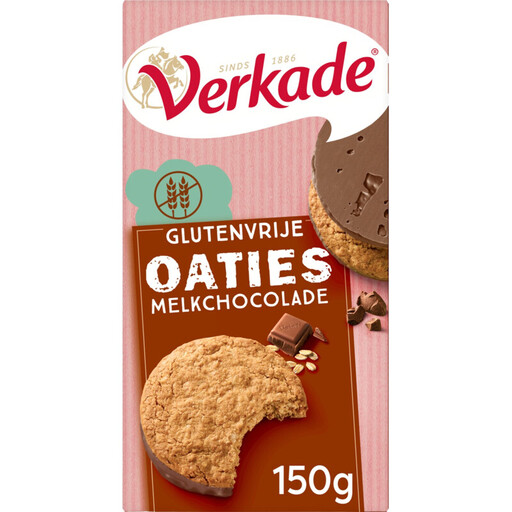
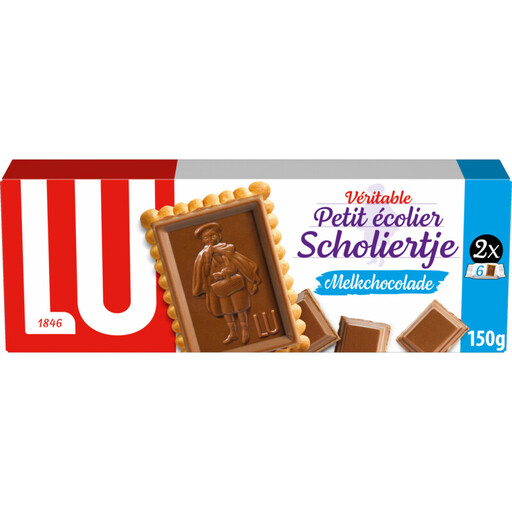
These two 150 g packs are options to consider if you’re looking for biscuits to fill your biscuit tin. First check the current label for each product, then see whether the quantity and portion sizes suit your household.
 No image available
Verkade Gv Oaties milk chocolate, 150 g
If you’re considering these biscuits because you need to avoid gluten, check the current label and your own dietary requirements. Also look out for milk, oats, soya and possible nuts; then decide whether 150 g is enough for your biscuit tin.
View at Joybuy
 No image available
LU Scholiertje milk chocolate biscuits, 150 g
If you’re buying for several people and portion sizes matter, check how many portions are in the 150 g pack. Before deciding, check the current label for milk, wheat, soya and possible nuts; if you need to avoid gluten, don’t assume this is a gluten-free variety.
View at Joybuy
Frequently asked questions
Should I read the ingredients list on packaged biscuits?
Yes. If you have a food allergy, read the ingredients and allergen information for the exact variety. The Netherlands Food and Consumer Product Safety Authority explains that 14 allergens must be listed on the labels of prepacked foods; check the pack you’re actually buying.
Are gluten-free biscuits also free from other allergens?
No. A gluten-free label doesn’t mean a biscuit is also free from, for example, milk, eggs, soya or nuts. Albert Heijn and Jumbo list these allergens in different gluten-free biscuits, so always read the information for the variety you’ve chosen.
Does lactose-free also mean milk-free?
No, the terms aren’t interchangeable. Jumbo also lists possible traces of milk proteins in the Céréal chocolate biscuits described as lactose-free. Check the milk information separately if milk needs to be avoided.
What should I do if a pack says ‘may contain’?
Take any warning about the possible presence of an allergen you need to avoid into account when assessing that specific pack. The Netherlands Food and Consumer Product Safety Authority states that rules for warnings about possible cross-contamination with allergens have applied since 1 January 2026; the warning itself doesn’t tell you whether a product is suitable for everyone.
Can I check Lidl biscuits fully for allergens before going to the shop?
Not using a general online ingredients and allergen list for Lidl food products. Lidl directs shoppers to the packaging for this information. So check the exact pack in store before making your choice.


