
Vandaag of morgen in huis

Kwaliteit gegarandeerd

Welkomstaanbiedingen ontgrendelen: GRATIS bezorging | Tot 80% korting | Gratis 30 dagen JoyPlus-proefperiode
Download de app
Buying biscuits and crackers online might seem straightforward, until you have to choose from wafers, breakfast biscuits, wholegrain biscuits, cereals, savoury crackers and multigrain crackers. A striking packet doesn’t always tell you enough about what’s inside. If you only focus on taste or a low price, you could end up with a large pack that doesn’t suit how you plan to use it, your allergies, or the nutritional values you’re after.
So pay particular attention to these three common pitfalls:
Ingredients are listed in descending order by weight. If wheat flour or sugar appears near the top, it makes up a significant part of the product. For wholegrain crackers, high-fibre biscuits and multigrain crackers, it’s worth checking which grains have actually been used.
A product with several grains might contain wheat, rye, oats, barley, spelt or seeds, for example. That doesn’t automatically make it wholegrain. Also look out for possible allergens such as wheat, gluten, milk, soya, sesame, egg and nuts.
With wafers and sweet biscuits, fillings and coatings often play a big role. Chocolate wafers, hazelnut wafers and milky varieties can be relatively high in sugar and fat. Use the nutrition table to compare products fairly per 100 grams.
The nutritional value per 100 grams is a handy point of comparison. A product might list a small portion size, but in practice you might eat several biscuits or crackers. So check both:
For example, Tuc Original Crackers contain 1.7 grams of salt and 2.4 grams of fibre per 100 grams, according to the product information. Bolletje Light Whole Grain Crackers lists 15 grams of dietary fibre per 100 grams. These are verifiable differences that tell you more than just terms like “light” or “crispy”.
For a party or drinks, savoury crackers and small salty snacks are often practical. For breakfast or on the go, individually wrapped breakfast biscuits can be more convenient. A family might benefit from a larger pack, while a smaller bag can help limit waste if the product isn’t eaten every day.
Also check the best-before date, storage instructions and packaging. Crackers and wafers lose their crunch if they aren’t sealed properly after opening. For children’s biscuits, the age recommendation on the pack is a guide; always supervise young children while they’re eating.
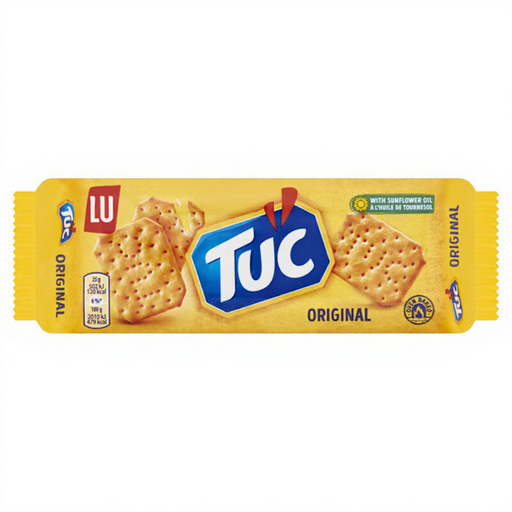
Why this fits the profile: A familiar pack of 3 x 30 grams, ideal for drinks, an evening snack or a simple bite.
The contents and nutritional values are clearly stated. You can see at a glance that it contains three portions and compare salt and fibre per 100 grams.
Oven-baked, light crackers; 100 gram contents; suitable for serving on their own or with a dip.
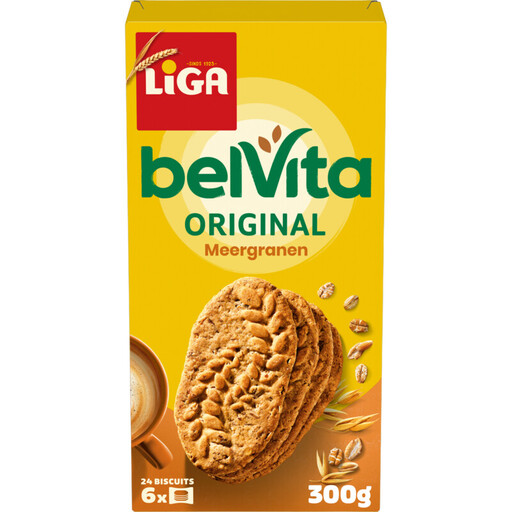
Why this fits the profile: The box contains six packs of four biscuits, making portions easy to take to work or on the go.
The product information mentions five wholegrain cereals and gives 6.2 grams of fibre per 100 grams. Check the pack at purchase for the most up-to-date details.
300 gram contents; six portion packs; according to the product information, a source of calcium, magnesium and iron.
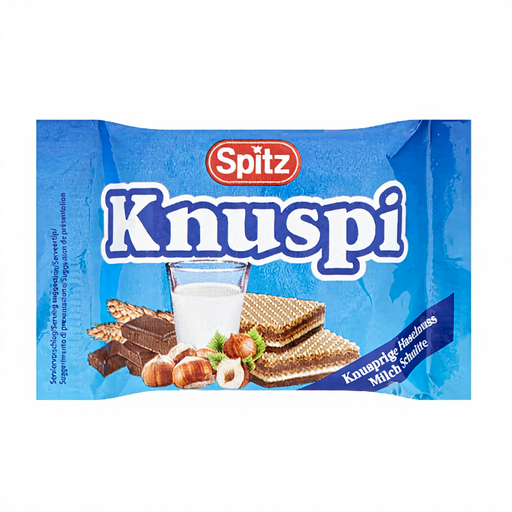
Why this fits the profile: Individually wrapped chocolate wafers with hazelnut and milk cream, perfect for sharing, treats or a sweet snack moment.
The 10-pack makes portion and stock choices clearer than one large open bag. Do check the allergens and nutritional values on the label.
Ten individual wafers; 3% hazelnuts and 7% whole milk powder according to the product description; ideal for handing out.
We’ve put together a full, up-to-date list of products that fully meet these strict selection criteria and comply with current European safety regulations.
Individually wrapped breakfast biscuits, children’s biscuits and small wafers are practical for a bag or lunchbox. Pay attention to the portion size, allergens and how the packaging can be resealed. For a less sweet option, you could also take wholegrain crackers or breakfast crackers with you.
Not always. Check the fibre content per 100 grams and see whether wholegrain flour or wholegrain cereals are clearly listed in the ingredients. The term “multigrain” can also refer to a mix of grains without all of them being wholegrain.
Store them in a cool, dry place, away from sunlight, heat and moisture. Seal an opened pack tightly. Individual wrappers help preserve the texture, especially for wafers and thin crackers. If the packaging is damaged, check the information on the label before using the product.
