
Vandaag of morgen in huis

Kwaliteit gegarandeerd

Welkomstaanbiedingen ontgrendelen: GRATIS bezorging | Tot 80% korting | Gratis 30 dagen JoyPlus-proefperiode
Download de app
Biscuits and cookies are handy for breakfast, as a snack or on the go. But an eye-catching packet doesn’t always tell you everything you need to know. A product made with wholegrains can still be relatively high in sugar, while a fruit-filled biscuit isn’t the same as a portion of fruit.
With this practical guide, you can focus on the information that really matters. That way, you can compare breakfast biscuits, wholegrain biscuits, high-fibre biscuits, fruit biscuits and chocolate treats on a fair basis.
Check the ingredients list. If wheat flour comes first and wholegrain flour appears later, the product may be made largely from refined flour. Also look at the percentage of wholegrains, oats or wholegrain flour.
For example, belVita Wholegrain Cookies list a combination of wheat, barley, spelt, wholegrain wheat and oats. That gives you more information than just the word “wholegrain” on the front.
Fruit biscuits such as apple biscuits or raisin biscuits often contain dried fruit, fruit purée, sugar or syrups. So compare the nutritional values per 100g. Sultana Fruit Biscuit Apple states 27.9g of sugars and 4.4g of fibre per 100g. Liga Evergreen Apple states 29g of sugars and 7.4g of fibre per 100g.
That doesn’t automatically make either product suitable for every eating occasion. Portion size and your overall diet still matter.
In some sugar-free biscuits, sugar is replaced with sweeteners such as maltitol. Panpan Low GI Sugar-Free Oat High Fiber Biscuits lists maltitol as a sweetener and 11.7g of sugars per 100g. So always check the full nutritional table and ingredients list.
Sweeteners can also disagree with some people. Follow the information on the packet and choose a portion that works for you.
First, compare the amount of fibre per 100g. Products with wholegrains, oats, wheat fibre or inulin can have a higher fibre content. For example, Wasa Breakfast Biscuits Sesame states 9g of fibre per 100g. Liga Evergreen Grain Biscuits With Berry Flavour states 7.4g.
Also look at the portion packaging. Liga Evergreen and belVita are packed in individual portions, while Hellema Smoeltjes Speculaas Cookies contain eight sachets per pack. Individual portions can help you avoid eating the whole packet without realising it.
A biscuit is still a processed product, even if it’s wholegrain, fruity or high in fibre. Look at:
McVitie’s Digestives Milk Chocolate states 496 kcal, 28.5g of sugars and 12.4g of saturated fat per 100g, according to the product information. That’s more suited to a treat than a daily breakfast. A chocolate coating clearly changes the nutritional profile compared with a plain biscuit.
Always read the allergens highlighted in bold on the label. The range includes wheat, gluten-containing cereals, milk, soya, egg, sesame and nuts.
If you’re looking for gluten-free biscuits, you need to check carefully whether the packet carries an official gluten-free label and appropriate product information. Verkade Oaties Original lists gluten-free oats in the ingredients, but the product information also includes a warning about oats and possible traces of milk, nuts and soya. If you have coeliac disease or an allergy, only the current label should be your guide.
For baby biscuits from 6 months onwards, also check the age indication, texture and allergens. Only give biscuits to a baby under supervision and follow the usage instructions on the packet.
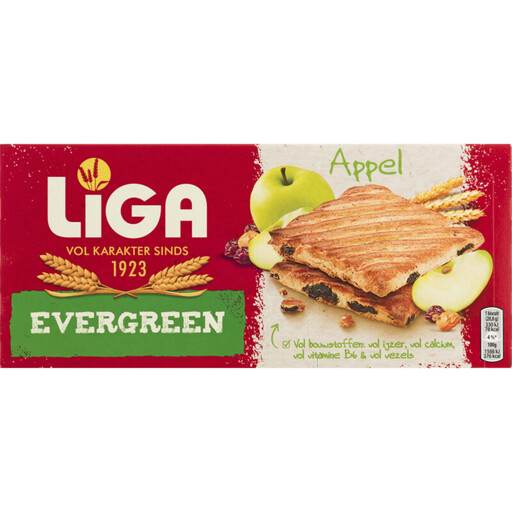
Why this fits the profile: An accessible choice if you’re looking for a fruity grain biscuit for school, work or on the go.
The product information states 7.4g of fibre per 100g and clearly lists the ingredients and allergens. The pack of two biscuits helps with portion control.
Made with wheat, oat and wholegrain flour, raisins and 7.4g of fibre per 100g.
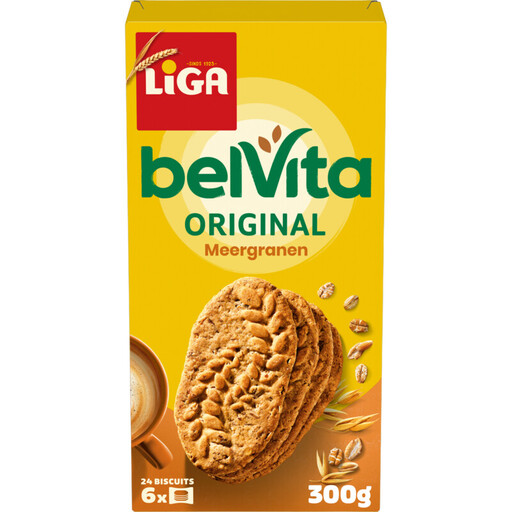
Why this fits the profile: Handy for a planned breakfast or a cupboard where portions are ready to grab.
The ingredients list five grains and gives the nutritional values per 100g. The six packs of four biscuits make the portion size clear in advance.
6.2g of fibre, 8g of protein and a portion of four biscuits according to the product information.
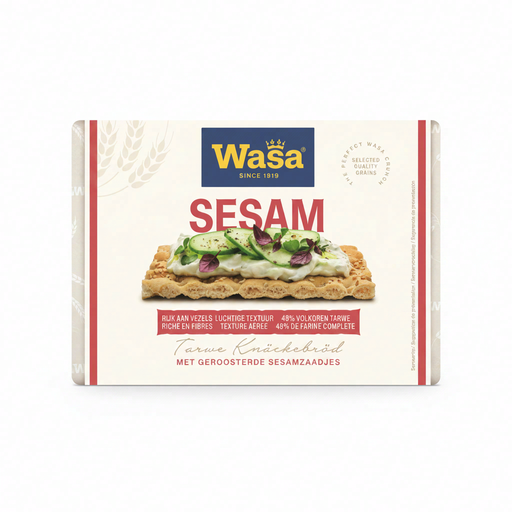
Why this fits the profile: Ideal if you want a crunchy biscuit with little sugar for breakfast, lunch or a savoury topping.
The product information states just 1g of sugar per 100g. Sesame is also listed as an allergen, so you can check this in advance.
9g of fibre, 14g of protein and 11% sesame according to the stated product specifications.
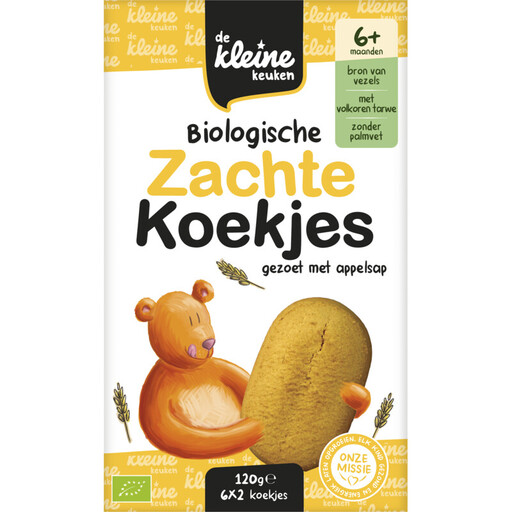
Why this fits the profile: The product information states suitability from 6 months and a soft texture for young children.
The age indication, ingredients and allergens are listed. The product does contain wheat and milk, so always check the current label.
Made with wholegrain wheat flour, 5.4g of fibre per 100g and no palm oil according to the product description.
We’ve put together a full, up-to-date list of products that fully meet these strict selection criteria and comply with current European safety regulations.
That depends on the ingredients and your portion size. Compare fibre, sugar, fat and protein per 100g. Breakfast biscuits can be convenient, but you may want to combine them with other foods for more variety.
Among the products mentioned, Wasa Breakfast Biscuits Sesame with 9g and Liga Evergreen with 7.4g per 100g have a higher fibre content than several other options. Check the packet, as recipes can change.
For gluten-free biscuits, check the official label, allergens and warnings about traces. For sugar-free biscuits, look beyond the claim at the sweeteners, total carbohydrates, sugars and energy. The current packet is always the definitive source.
