
If you’re making one small dessert
You need biscuits for a single cheesecake, a dessert in a glass or a small baking tin, and want to match the quantity to your recipe.


Choose biscuits according to how you’ll use them in your recipe: they need to crumble finely for a crumb base, while whole biscuits can work as a topping. Match the pack size to the amount you need and check the current label, especially if ingredients or allergens affect your choice. A single bar and a pack of biscuits aren’t necessarily interchangeable.
You need biscuits for a single cheesecake, a dessert in a glass or a small baking tin, and want to match the quantity to your recipe.
You want fine crumbs for a base, or whole biscuits as a visible topping. Both uses feature in recipes from Lidl Recepten and Lotus Biscoff.
Before using the biscuits, check the ingredients, allergens and any warnings on the specific pack.
First, check whether your recipe calls for crumbs or whole biscuits. Then work out how much you need and check the information on the packaging.
| What to consider | What should you check? | Who is this important for? |
|---|---|---|
| How they’re used in the recipe | Does the recipe call for fine crumbs, whole biscuits or both? Check how much you’ll need, too. | For a base, I want to be able to make crumbs; for a visible finish, I’ll keep the biscuits whole. For around 29% of consumers, how the biscuits are used in the recipe would be the first consideration. |
| Pack size | Compare the recipe quantity, any biscuits needed for decoration and the pack size. | If I’m only making one small dessert, I want enough biscuits without ending up with lots left over. For around 36% of consumers, pack size would come first. |
| Ingredients and allergens | Read the current ingredients list, allergen information and any warnings on the pack. | If I’m baking for someone with an allergy, the specific product must be suitable before I use it. Around 21% of consumers would make checking the label their first priority. |
| Storing after opening | Check how many biscuits will be left over, then store the opened pack in a cool, dry place and seal it well. | I’ll only use part of the pack and want to be able to use the rest later. For around 14% of consumers, minimising leftovers would be the main concern. |
A 500 g pack will leave you with more than a 250 g pack if your recipe only needs a small amount. Albert Heijn and Jumbo list 250 g packs of speculoos biscuits; ALDI lists 500 g packs of Koekkie speculoos biscuits.
Add up the biscuits you need for both the base and decoration before choosing a pack size. Seal any leftovers well after use.
Allergen information varies by product. Jumbo lists wheat and gluten in its speculoos biscuits, and notes that they may contain almonds and nuts.
Read the current label on the pack you’re going to use, even if you’ve bought biscuits from the same brand before.
For a chilled base, biscuits are crushed and mixed with a binding ingredient according to the recipe. Whole biscuits are more often used as a decoration.
Read the method before buying and check that the biscuits you choose will work in the form you need.
Crushing the biscuits and leaving a chilled base to set both add to the preparation time.
Biscuits can lose quality once opened. The Voedingscentrum recommends storing them in a cool, dry, dark place and sealing them well.
Seal the pack properly as soon as you’ve finished baking, or use an airtight tin. Check the biscuits again before using any leftovers in another recipe.
For recipes where speculoos biscuits are a recognisable part of the flavour and finishing touches.
Albert Heijn lists a 250 g pack of AH speculoos biscuits that you can compare with the amount needed for a small recipe.
Jumbo also lists speculoos biscuits in a 250 g pack.
Lidl sells a range of biscuits under the Sondey brand, including a speculoos variety.
ALDI lists Koekkie speculoos biscuits and Biscotto bakers’ speculaas in larger packs.
These packs contain speculaas or speculoos biscuits, with quantities you can compare against a small baking recipe. Before choosing them for a crumb base or topping, check what form of biscuit your recipe calls for; these aren’t individual bars.
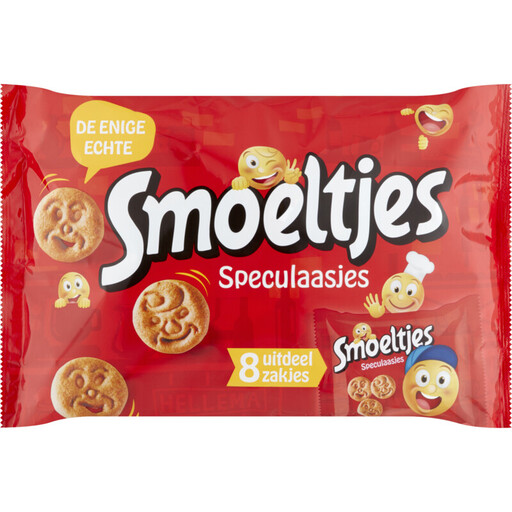 Image unavailable
For a small baking project using speculaas biscuits.
Compare the 200 g and 8-piece pack with the amount your recipe calls for. If you have allergies, check the current label, and check the shape of the biscuits before counting on them for a fine crumb base.
 Image unavailable
Worth considering if you’re looking for speculoos biscuits to decorate a dessert.
The pack contains 250 g. If you have allergies, check the current label carefully, particularly if soya is relevant, and make sure the biscuits are suitable for the method if you’re making a base.
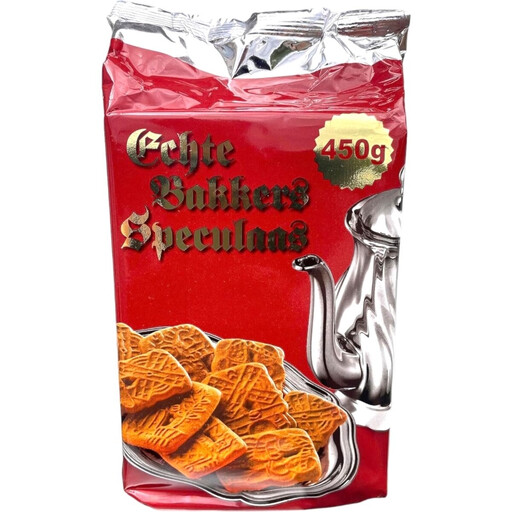 Image unavailable
Consider this if your recipe specifically calls for bakers’ speculaas.
The pack contains 450 g; compare this with your recipe if you want to avoid having much left over. If you have allergies, check the current label, and separately make sure the biscuits are suitable for the method.
Choose biscuits that you can crush finely, as your recipe requires. Lidl Recepten uses 130 g of speculoos biscuits with 45 g of butter for cheesecake glasses, then leaves the base to set. Don’t use those quantities without adjusting them for a different tin or filling.
Yes, if your recipe calls for a visible biscuit decoration. Lotus Biscoff uses whole biscuits alongside crumbs and speculoos spread in one of its own recipes. For an even crumb base, you’ll need to crush the biscuits first.
Store opened biscuits well sealed in a cool, dry, dark place, as recommended by the Voedingscentrum. Check their smell, texture and taste before using them again later.
Yes. The ingredients in the specific biscuits still matter. The Dutch Food and Consumer Product Safety Authority explains the mandatory allergen labelling on prepacked foods. Read the current pack and any warnings before use.
No. A vegan label alone says nothing about gluten, nuts or possible cross-contamination. Check the ingredients and warnings on the packaging of the specific product.