
People short on time before training
You’re about to leave and want to take something small with you rather than eat another meal. In that case, when you eat and how much you have matter more than the type of packaging.


If you feel hungry just before training, keep your biscuit or bar to a small portion. An individually wrapped product is easy to take with you, but that doesn’t tell you how much you’re eating. The Netherlands Nutrition Centre advises against large portions and products high in fat, protein or fibre just before exercise. So consider when you’re eating, the nutritional information and the allergens in your chosen variety.
You’re about to leave and want to take something small with you rather than eat another meal. In that case, when you eat and how much you have matter more than the type of packaging.
You want to know how much you’re actually eating and may compare fat, sugars and fibre, for example. Check the nutritional information per 100 g alongside the details per portion.
You check the ingredients and allergens for the exact variety. A label such as ‘gluten-free’ doesn’t replace this check if you also need to avoid other ingredients.
First decide whether you want to eat something before training and how much time you have. Then compare the portion size, ingredients and any allergens. A biscuit, cereal bar and ontbijtkoek (Dutch breakfast cake) aren’t automatically interchangeable.
| What to consider | What should you check? | Who is this relevant to? |
|---|---|---|
| Timing and portion size | How long is it until your training session? If you’re having a late snack, check the portion size and the fat and fibre per portion. | If I feel hungry just before exercise, I want something small to eat, not a large portion that stays in my stomach for a long time. For around 42% of consumers, the timing of the snack is likely to be the main consideration. |
| Taking it with you and portioning | Check whether the bars or biscuits are individually wrapped and how many pieces are in each packet. | When I’m out and about, I want to take a snack with me without having to guess how many biscuits are in the packet. For around 33% of consumers, a clearly defined portion is likely to be the priority. |
| Ingredients and allergens | Compare the nutritional information per 100 g and read the ingredients and allergen warnings for the variety you’ve chosen. | If I need to avoid certain ingredients or want to compare what I’m eating, the ingredients determine which product I can choose. For around 25% of consumers, this check is likely to be the deciding factor. |
According to Albert Heijn, the Lotus Biscoff Snack Pack contains two biscuits per packet. The outer packaging alone won’t tell you how many you’ll eat at once.
Check how many pieces are in each packet and the portion size before taking one with you.
The Netherlands Nutrition Centre advises against large portions and products high in fat, protein or dietary fibre just before exercise, as they can stay in your stomach for longer.
Keep a late snack small. If you want to eat a meal, plan to have it earlier rather than just before your training session.
A label such as ‘gluten-free’ or ‘Zero’ doesn’t tell you what other ingredients a bar contains. For example, the AH gluten-free chocolate cereal bar contains soya, while Hero B'Tween Zero is listed as containing polyols in the product information.
For every variety, read the current ingredients list, allergen information and nutritional table.
A biscuit or bar can be a small snack, but it’s not a complete solution for what you want to eat and drink around a training session.
Plan your meal and drinks separately, then decide whether you need a snack before you leave.
Speculoos biscuits are available in options including packets of two biscuits.
Cereal bars available in varieties including milk chocolate and Zero.
Ontbijtkoek (Dutch breakfast cake), including the sliced Volkoren Zonder Toegevoegde Suikers variety.
Cereal bars in a range of varieties, including chocolate, plain and gluten-free options.
ALDI’s own brand, with products including cereal bars and biscuits.
This curated order takes ease of carrying, portioning and timing into account; it isn’t a ranking of nutritional value or sports performance. The product information comes from Joybuy, Albert Heijn and Peijnenburg; the advice on eating just before exercise comes from the Netherlands Nutrition Centre.
| Position | Product | Features | Why it’s included | Platform |
|---|---|---|---|---|
| 1 | Hero B'Tween cereal bar, milk chocolate, 150 g | Individually wrapped bars; 16 g of fat and 30 g of sugars per 100 g. | Joybuy describes the bars as individually wrapped, which is useful if you want to take one with you. The ingredients are still worth considering when deciding when to eat it; its position here doesn’t mean this bar is suitable just before every training session. | Joybuy |
| 2 | Lotus Biscoff Speculoos Snack Pack, 124 g | Eight packets, with two biscuits per packet; Original Speculoos lists 19 g of fat per 100 g. | Albert Heijn lists the biscuits as portioned into packets. This makes them easy to take with you, but if you want to eat one biscuit, remember that each packet contains two. | Albert Heijn |
| 3 | Peijnenburg Volkoren Zonder Toegevoegde Suikers Gesneden, 345 g | Sliced ontbijtkoek; Peijnenburg lists 17 g of fibre per 100 g. | Included for anyone considering a slice of ontbijtkoek earlier before training. The Netherlands Nutrition Centre advises against products high in fibre just before exercise. | Peijnenburg |
These biscuits and cereal bars are options to consider if you’re thinking of having a small snack around your training session. Check how many pieces you’ll eat and whether the ingredients suit the time you plan to exercise.
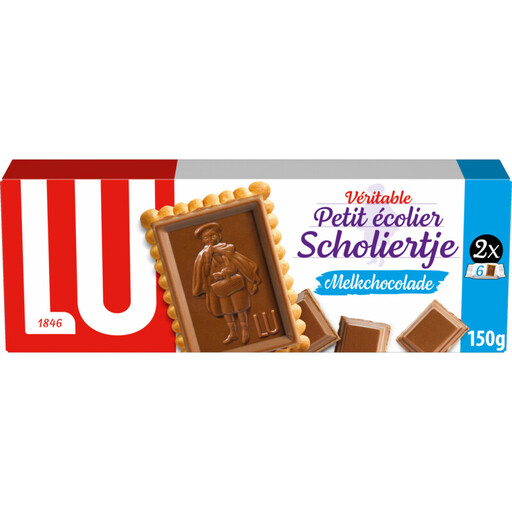 No image available
A biscuit option if you’d like to take some with you for a snack around your training session.
The pack contains 150 g. Check how many biscuits you’re having, and if you have a food allergy, read the current ingredients list.
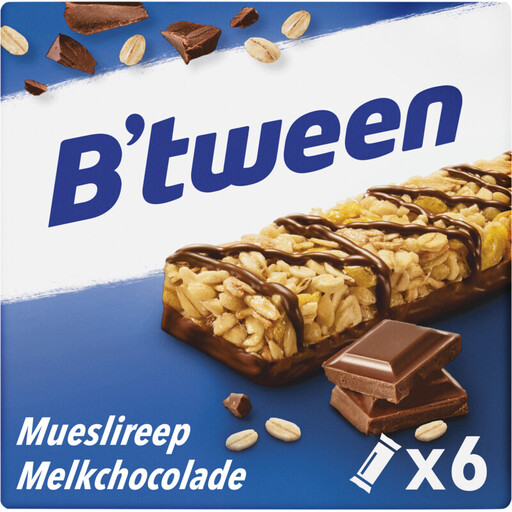 No image available
The individually wrapped bars are a handy option if you want to take one with you when you’re out and about.
The pack contains 150 g. For this milk chocolate variety, the label lists 16 g of fat and 30 g of sugars per 100 g; also check the portion size and allergens on the label.
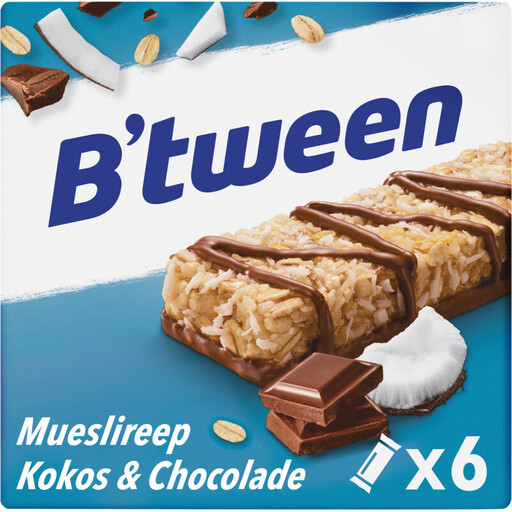 No image available
A cereal bar variety to consider if you’re looking for a bar to take with you.
The pack contains six bars. Compare the nutritional information per 100 g and per portion, and check the ingredients in this coconut variety.
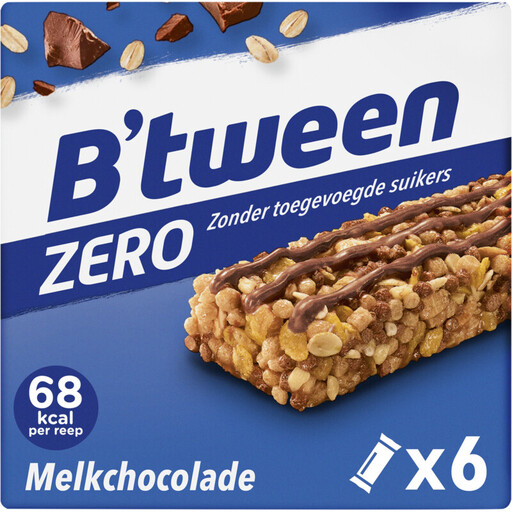 No image available
This cereal bar variety is worth considering if you want to compare the ingredients in a bar closely.
The pack contains six bars. Joybuy lists 42 g of polyols per 100 g; also check the rest of the nutritional information, ingredients and allergens for this variety.
No, an extra snack isn’t always necessary. Think about when you last ate and whether you’re hungry; according to the Netherlands Nutrition Centre, sports bars and gels are generally unnecessary for exercise lasting less than an hour.
If so, stick to a small portion at most. The Netherlands Nutrition Centre advises against large portions and products high in fat, protein or fibre just before exercise, as they can stay in your stomach for longer.
Use both: first compare biscuits and bars per 100 g, then check how much you actually eat per portion. The Netherlands Nutrition Centre explains that mandatory nutritional information per 100 g makes it possible to compare products on the same basis.
Read the current ingredients list for the exact variety you’re choosing and look out for warnings about possible allergens. The Netherlands Food and Consumer Product Safety Authority explains that allergens which must be declared have to be clearly identified on the label; a label such as ‘gluten-free’ says nothing about other allergens.
Not necessarily: when you eat it and its full ingredients still matter. For Volkoren Zonder Toegevoegde Suikers, Peijnenburg lists 17 g of fibre per 100 g, while the Netherlands Nutrition Centre advises avoiding products high in fibre just before exercise.