
Office supplies manager
Wants to put out biscuits for coffee breaks, reception or meetings without having to portion them first. Albert Heijn, for example, sells a Lotus Biscoff dispenser with individually wrapped biscuits.


For a coffee break where you hand out biscuits individually, individually wrapped biscuits are practical. Twin packs are better suited to colleagues who want to pop a snack in their bag or lunchbox. Rolls and larger sharing packs work well for a communal biscuit tin, but compare the number of usable portions for each pack size and check the nutrition information and allergens for the variant you choose.
Wants to put out biscuits for coffee breaks, reception or meetings without having to portion them first. Albert Heijn, for example, sells a Lotus Biscoff dispenser with individually wrapped biscuits.
Wants a portion they can take with them without having to wrap up an opened pack. Jumbo, for example, sells cereal biscuits in nine individually wrapped twin packs.
Wants to know how much stock a pack provides, so compares the net weight with the number of rolls, biscuits or portions. ALDI, for example, sells María biscuits in four 200 g rolls.
First, decide whether the biscuits will be handed out individually, taken on the go or served from a shared supply. Then compare the contents of each pack and, when buying for a group, read the label for the exact variant.
| What to consider | What to check when buying | Who is this important for? |
|---|---|---|
| Handing out biscuits individually | Count the individually wrapped biscuits; a large outer pack doesn’t tell you how the biscuits are packed inside. | For coffee breaks or meetings, I want to be able to put out one biscuit per person quickly. Around 36% of consumers say that easy serving is their top priority. |
| Portions to take with you | Check how many packs are in the multipack and how many biscuits each pack contains. | I want to take a portion in my lunchbox or bag without carrying an opened pack. For around 29% of consumers, a portion to take with them comes first. |
| Amount of stock per pack | Compare the net weight with the number of rolls, biscuits or portions you can actually use. | A communal biscuit tin needs to contain enough biscuits to keep it topped up. Around 21% of consumers prioritise the amount of usable stock. |
| Label information for the group | Read the ingredients, allergens and nutrition information per 100 g; also check the values per portion if they’re listed. | When several colleagues are choosing from the same supply, I want to know in advance which ingredients and allergens are listed on the pack. For around 14% of consumers, checking the label is their main concern. |
The same net weight can be divided into rolls, twin packs or individually wrapped biscuits. So the pack size alone won’t tell you how many times you can serve them.
Compare the weight and the number of biscuits, rolls or portions before choosing a pack size.
A product name or a mention of grains doesn’t give you the full picture of the ingredients, sugars, fats or allergens. The Netherlands Nutrition Centre recommends looking beyond the front of the pack when choosing snacks.
Read the ingredients list and nutrition information per 100 g; use the information per portion if it’s shown on the label.
Ingredients and allergens vary between biscuit variants. The Netherlands Food and Consumer Product Safety Authority explains which allergens must be listed on labels.
Before buying, check the latest allergen information for the exact variant and keep the pack available with any shared supply.
A brand to consider if you want to hand out speculoos biscuits individually with coffee or at a meeting.
A supermarket own-brand option if you’re looking for cereal biscuits in pre-portioned twin packs.
An ALDI own brand to consider when comparing larger biscuit packs for a shared supply.
The own brand Lidl Netherlands uses for various types of biscuits and snacks.
These Joybuy products come in different pack formats for a coffee break or a snack to take with you. Spitz wafers are a different product category from biscuits, so only include them in your comparison if wafers would also suit your office supply.
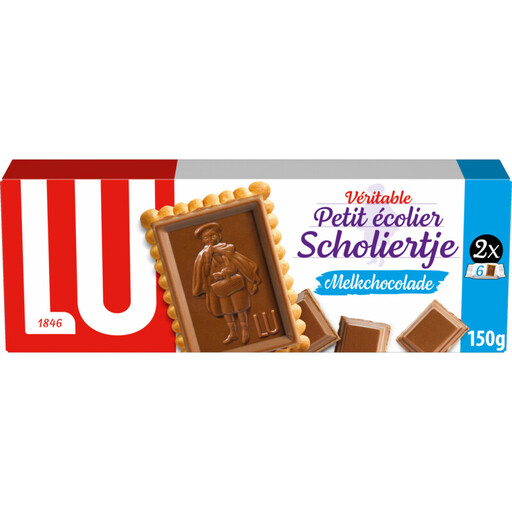 Image unavailable
If you want to serve Scholiertje biscuits with coffee, the number of biscuits in each pack is important for planning your supplies.
Pack weight: 150 g. Check the label to see how many portions the pack contains and which allergens are listed for this variant.
 Image unavailable
The two separate packs make it easy to divide the contents between two snacks or occasions when you’re out and about.
The pack weighs 97 g. If you’re planning portions for several colleagues, check how many biscuits are in each pack and read the allergen information on the packaging you choose.
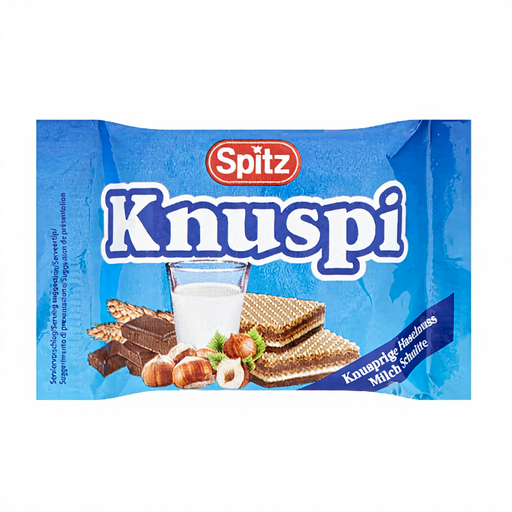 Image unavailable
If wafers would work alongside biscuits in your office supply, this pack gives you ten pieces to share across snack breaks.
Before adding them to a shared supply, check the weight per piece and the latest ingredients and allergen information.
Choose individually wrapped biscuits if you want to put out one biscuit per person for coffee breaks or meetings. A roll works well when you’re serving biscuits together from a plate; in that case, compare how many you want to put out at a time. Albert Heijn, for example, sells a Lotus Biscoff dispenser with 150 individually wrapped biscuits.
Compare both the net weight and the number of rolls, biscuits or portions. ALDI, for example, sells María biscuits in four 200 g rolls, while Jumbo sells cereal biscuits in nine twin packs. These formats suit different ways of serving biscuits.
Read the allergen information for the exact biscuit variant before putting it out for a group. The Netherlands Food and Consumer Product Safety Authority explains how allergens are shown on food labels; keep the packaging so colleagues can check the product information.
No. You’ll need the information on the label to assess the nutritional value of a biscuit. Check sugars, fats and fibre per 100 g and, if listed, per portion. The Netherlands Nutrition Centre advises looking beyond the front of the pack when choosing snacks.