
Travellers taking one portion
An individual packet or a pack of two can go straight into a bag or lunchbox. That way, you don't have to open a larger pack for a single snack.


If you want to take a measured portion for a single train journey, look for biscuits packaged individually or in pairs. For sharing or several journeys, a larger pack may be suitable, provided you portion it out in advance and seal the rest properly. As well as checking the number of portions, check the ingredients, allergens and nutritional information on the pack.
An individual packet or a pack of two can go straight into a bag or lunchbox. That way, you don't have to open a larger pack for a single snack.
If you're sharing with fellow passengers or taking biscuits for several journeys, consider both the number of biscuits and how they're divided into packets or rolls. With a larger pack, you may need to portion it out at home and store the rest.
If ingredients, allergens or nutritional values determine your choice, the current packaging matters more than the size or wording on the front alone.
First, work out how many portions you'll need during your journey. Then check whether they're individually wrapped and read the label on the product you plan to take.
| What to consider | What to check before buying | Who it's important for |
|---|---|---|
| Portions for your journey | Count the individual packets or slices; a multipack isn't necessarily portion-packed. | If I only have one snack break, I don't want to portion out biscuits at home or open a whole pack first. Around 40% of consumers prioritise ready-portioned packs. |
| Sharing and stocking up | Check how many portions the pack contains and whether you can reseal it properly after opening. | I'm taking biscuits for fellow passengers or for several journeys, and I want to know in advance how many times I can share the pack. Sharing or stocking up is the main priority for around 30% of consumers. |
| Label information | Read the current ingredients, allergen information and nutritional values per portion and per 100 g. | If I'm avoiding certain ingredients or comparing nutritional values, the label needs to suit my needs, whatever the pack format. Around 20% of consumers put these checks first. |
| The right quantity | Compare the number of usable portions for your journeys with how many you need. | I want a pack I can still use after the first journey, without being left with an unnecessarily large opened pack. Around 10% of consumers consider having the right amount in stock the most important factor. |
Several rolls or a large total weight don't necessarily mean you can pop a single unopened portion into your bag.
Check exactly how it's divided up: does it contain individual packets, biscuits in pairs or rolls? If you choose a larger pack, take a portion with you in a well-sealed container.
A statement about ingredients or a dietary claim doesn't tell you which allergens a specific product contains or what its nutritional values are per portion.
When you buy, check the current ingredients list, allergen information and nutrition table. The Netherlands Food and Consumer Product Safety Authority explains which allergens must be listed on the label.
Once opened, you'll have biscuits left over that need to be stored properly after your journey.
Work out how many portions you'll actually use. Store any leftover biscuits in a cool, dry, dark place in a well-sealed container, as recommended by the Netherlands Nutrition Centre.
These examples show how pack formats can differ. Always check the specific variety and its current label before making your choice.
An example of biscuits packaged in pairs: Jumbo describes the XL 2P x 10 pack as containing ten packets, each with two biscuits.
A slice of ontbijtkoek rather than a crisp biscuit. For the plain 10-pack, Albert Heijn lists ten individually wrapped slices weighing 28 g each.
Filled chocolate biscuits; Jumbo lists Oreo Original in a pack of 10 x 2 biscuits.
Among its products under this own-label brand, ALDI lists mini biscuits in a 6 x 6 format and chocolate biscuits packaged in pairs.
These biscuit packs may suit you if you want to take portions with you or split biscuits between several journeys. Pay particular attention to the difference between a pack containing multiple units and one with confirmed individual portions.
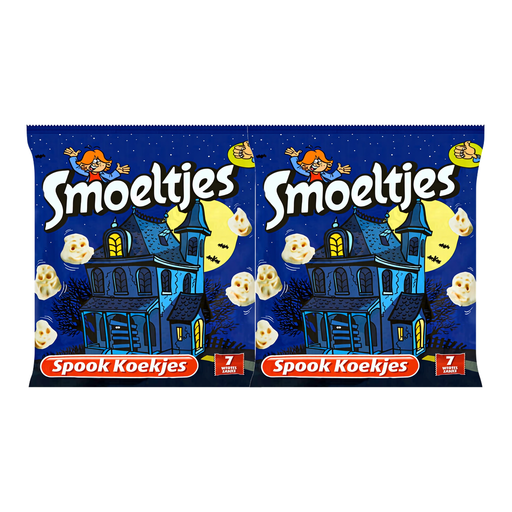 Image unavailable
A pack size you can split between two snack breaks.
The product name lists two sets of seven biscuits. If you have an allergy, check the current packaging.
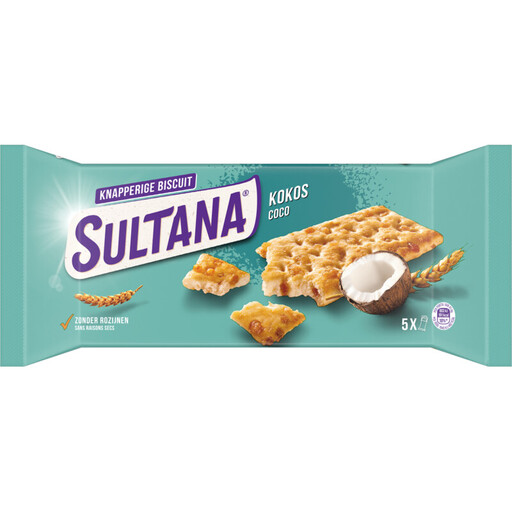 Image unavailable
With fifteen biscuits divided into 5 x 3, this pack could work for several snack breaks.
Check the pack for the current ingredients and allergen information.
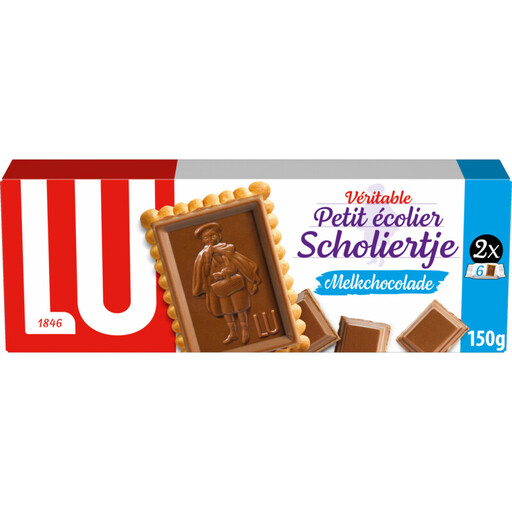 Image unavailable
This pack may appeal if you're looking to take milk chocolate biscuits with you.
The product name lists 150 g. If you want to take individual portions for several journeys, check how the pack is divided up.
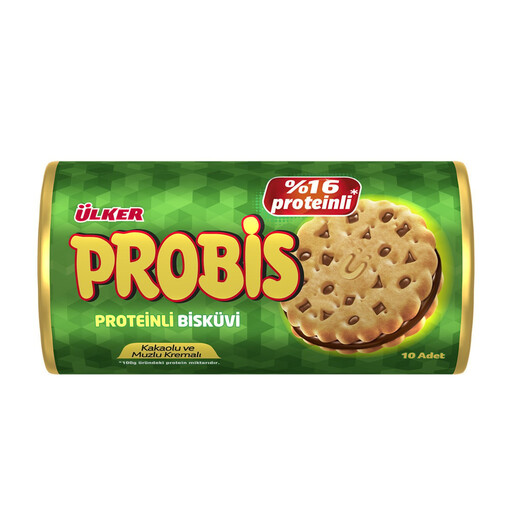 Image unavailable
A pack to consider if you want to split several biscuits between different journeys.
The product name lists ten biscuits and 280 g. Check the current label for ingredients, allergens and nutritional values.
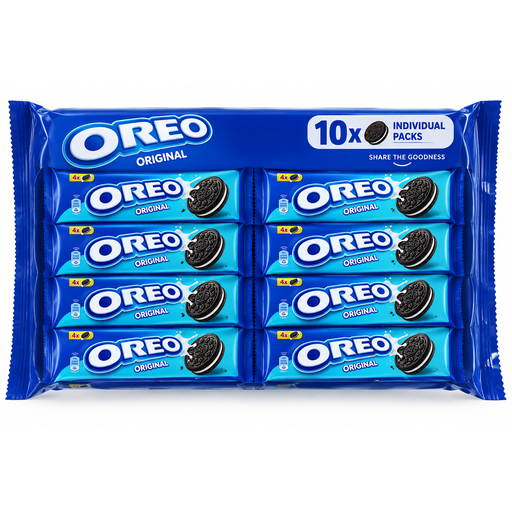 Image unavailable
The 10 x 66 g format may suit you if you're looking for biscuits to enjoy on several occasions.
Before buying, check how the units are packed if you want to take one unopened portion on the train; this isn't the same format as Oreo Original 10 x 2 biscuits.
No, they're most useful when you want a single portion with no preparation. If you're sharing with others or taking biscuits for several journeys, a larger pack may work too, as long as you portion it out in advance and seal the rest properly.
Read the allergen information on the current packaging of the exact variety you're buying. The Netherlands Food and Consumer Product Safety Authority explains that allergens must be clearly identified on the label; a product name or text on the front isn't a substitute for checking it.
Store them in a cool, dry, dark place in a well-sealed container, as recommended by the Netherlands Nutrition Centre. Also follow the storage advice on the packaging of the product you've chosen.
No, check the ingredients and nutrition table too. The Netherlands Nutrition Centre recommends reading the back of the pack; compare values per 100 g and per portion, and check how large that portion actually is.