
Vandaag of morgen in huis

Kwaliteit gegarandeerd

Welkomstaanbiedingen ontgrendelen: GRATIS bezorging | Tot 80% korting | Gratis 30 dagen JoyPlus-proefperiode
Download de app
Biscuits might seem like a simple purchase, but the range varies enormously in flavour, size, ingredients and when you might eat them. Are you looking for chocolate biscuits to take on the go, biscuits to enjoy with your coffee, or an assortment to share? In that case, the front of the packet alone won’t tell you enough.
Pay particular attention to three common pitfalls:
Ingredients are listed in descending order by quantity. If sugar or vegetable fat appears near the top, it makes up a significant part of the recipe. With filled biscuits, it’s helpful to see how much of the product is biscuit and how much is filling.
With Japanese biscuits and other international products, pay extra attention to the translation and the information on the packaging. Product details in an online shop can change. So always check the physical label, the best-before date and the allergen information before consuming.
Examples:
A 90-gram bag is ideal for a small snack, while a 200 to 403-gram pack can be more practical for the office, guests or the family. Look beyond the net weight and check the nutritional value per 100 grams. That way, you can compare different biscuits more fairly.
The products in this range, for example, vary from 36 grams to 403 grams. A small bag of Meiji Chocorooms can be handy for eating on the go, whereas Hellema Smoeltjes with eight individual bags is more practical for sharing out.
Nutritional information helps you make an informed choice, but it doesn’t tell you everything about flavour or texture. A product with chocolate, filling or icing will generally have a different composition to a simple biscuit. So first decide when you’ll be eating them, then compare price and nutritional information.
Crunchy biscuits that don’t fall apart easily are often a good match for coffee and tea. Individually wrapped portions are practical for eating on the go. If you want to share, go for a larger bag or several smaller packs.
After opening, pay attention to the seal. Store biscuits in a cool, dry place, away from direct sunlight and moisture. A well-sealable packet helps keep the crunchy texture for longer. Also check that the packaging isn’t damaged.

Why this fits the profile: The 250-gram pack is suitable for everyday use, guests or a biscuit with your coffee. The flavour direction is clear: crunchy speculoos with cinnamon and caramelised notes.
The net weight and estimated count of around 32 biscuits make it easier to compare per portion. The ingredients list includes wheat flour, sugar, oil, caramel syrup and cinnamon, among others.
250 grams, approximately 32 biscuits and, according to the product information, suitable for vegans. Contains wheat.
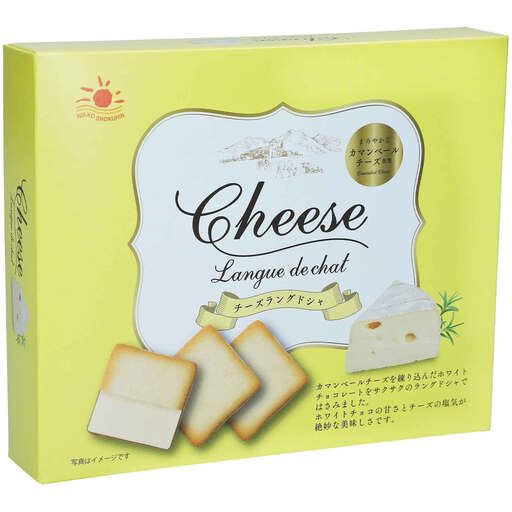
Why this fits the profile: These Japanese biscuits come in a small pack, ideal for anyone who wants to try an international flavour without buying a large assortment straight away.
The flavour isn’t left to the packaging alone: the product information lists chocolate, wheat flour, almond powder and egg white, among other ingredients.
90 grams and a Japanese flavour variant. According to the product information, it contains wheat, egg and soya.
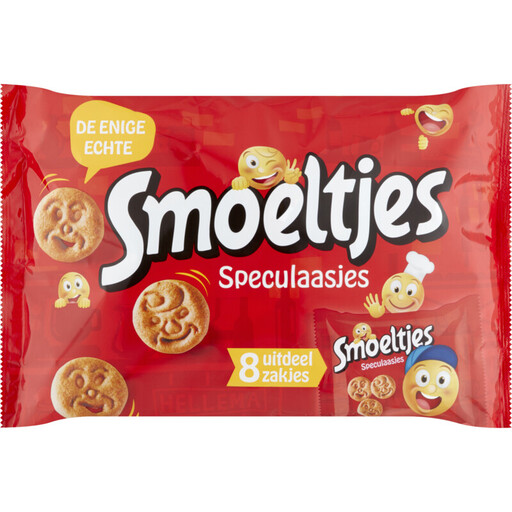
Why this fits the profile: Eight portion packs make these speculaas biscuits practical for the office, school, guests or any occasion where you want to hand out biscuits.
Dividing the biscuits into eight bags limits how often the whole supply is opened. That helps with sharing and storage.
200 grams, eight portions and, according to the product information, a source of fibre. Contains wheat, milk and egg.
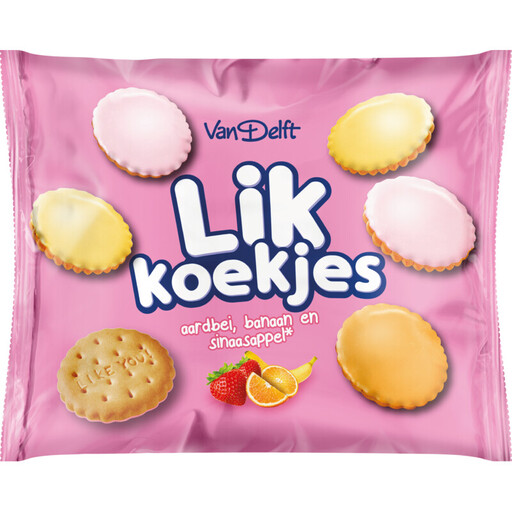
Why this fits the profile: The fruity icing layer and cheerful appearance make them ideal for treats, family visits or a colourful biscuit with your tea.
The product information mentions a crunchy base, fruity icing layer and natural flavourings. This makes it clearer what you can expect in terms of texture and flavour direction.
200 grams and ideal for sharing. Contains wheat; the ingredients list also mentions beef gelatine.
We’ve put together a full, up-to-date list of products that fully meet these strict selection criteria and comply with current European safety regulations.
Crunchy speculaas biscuits, buttery biscuits and chocolate biscuits often pair well with coffee. With tea, you might choose lighter varieties, fruit biscuits or Japanese biscuits with a subtle flavour. The right choice depends on whether you prefer sweet, spicy, creamy or fruity.
Store opened biscuits in their original packaging if it reseals well, or in an airtight tin. Keep them in a cool, dry place, away from direct sunlight and moisture. Seal the packet after every use. Soft or filled biscuits may have a different texture to dry, crunchy ones.
That varies by product, packaging and any temporary offers. Always compare the price per 100 grams, delivery costs and the size. A larger pack can be better value for a family or office, while smaller bags are handy if you want to try different flavours.
