
Students who want to take a set portion with them
An individually wrapped slice, a bar or a small pack containing two biscuits can go straight into a lunchbox. Check how many pieces and how many grams the packaging defines as a portion.


Choose a portion that fits into the lunchbox without needing to be divided, but check the current label and the school’s rules before packing it: the biscuit products discussed contain cereals containing gluten. Then compare sugars, fats and fibre per portion, and treat the biscuit as an addition to lunch, not a replacement for it.
An individually wrapped slice, a bar or a small pack containing two biscuits can go straight into a lunchbox. Check how many pieces and how many grams the packaging defines as a portion.
For them, the choice is about more than the brand or flavour: the allergen information for the exact variant and any school rules need to be suitable. The Netherlands Food and Consumer Product Safety Authority requires allergen information for prepacked foods to appear on the label.
They look at sugars, saturated fat and fibre per portion actually packed, rather than relying only on a claim on the front of the pack. What else is in the lunch matters too.
Start with allergens and school rules. Then compare the portion you’ll pack and its nutritional information; flavour can be the deciding factor after that.
| What to consider | What to check | Who is this relevant to? |
|---|---|---|
| Set portion | Check how many pieces are in each pack and the weight of the portion. | I want to pack a biscuit without having to divide up a larger pack. For around 31% of consumers, having a convenient portion is the priority. |
| Allergens and school rules | Check the current label for allergens present or that may be present, and ask about the school’s rules. | If allergens need to be taken into account at home or at school, I want to know whether this variant is suitable before packing it. For around 25% of consumers, this check is the top priority. |
| Nutritional information | Compare sugars, saturated fat and fibre per portion you’ll pack, not just per 100 g. | A biscuit is an addition at most; I want to weigh up its nutritional value alongside the rest of the lunch. For around 25% of consumers, this is the main consideration. |
| Flavour and texture | Check that your chosen soft, crunchy or chocolate variant is also suitable in terms of portion size and labelling. | Once the other requirements are met, I choose something the student enjoys eating. For around 19% of consumers, that preference is ultimately the deciding factor. |
A claim on the front of the pack doesn’t tell you how much sugar or saturated fat is in the portion. The Netherlands Nutrition Centre recommends checking the ingredients and nutrition table too.
Compare the nutritional information per portion and decide how the biscuit fits alongside the rest of the lunch.
Plain biscuits, speculoos and chocolate variants can have different ingredients and allergen information. The brand name alone isn’t a reliable way to check.
Check the label of the exact flavour and pack every time you buy it, including any statements about the possible presence of allergens.
For the products described by Albert Heijn, a Peijnenburg slice weighs 28 g, while a portion of AH Kruidkoekreep weighs 65 g. A pack containing two biscuits needs to be compared separately.
Check how many pieces you’re packing and read the nutritional values for that amount.
These examples show differences in product types and portion packaging; check the current label for each variant you choose.
Breakfast cake for anyone looking for a soft, individually wrapped slice.
Biscuit portions and biscuit bars in a range of packaging and ingredients.
Speculoos for anyone who’d rather pack a crunchy biscuit portion than a bar.
Kruidkoekreep as an alternative to a small portion of biscuits.
These products offer different ways to add a biscuit to a school lunch: grain biscuits, a chewy biscuit bar, chocolate biscuits and biscuit sticks. Check how much you’ll actually pack from each product and always read the current label and check the school’s rules.
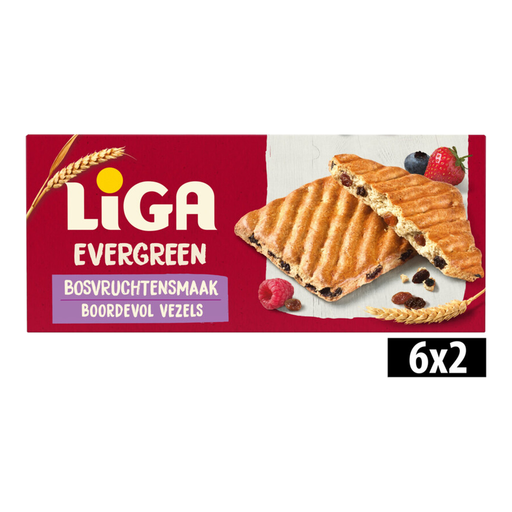 Image unavailable
An option if you’d rather pack biscuits than a bar. Check the pack to see how many biscuits make up a portion, and read the allergen information.
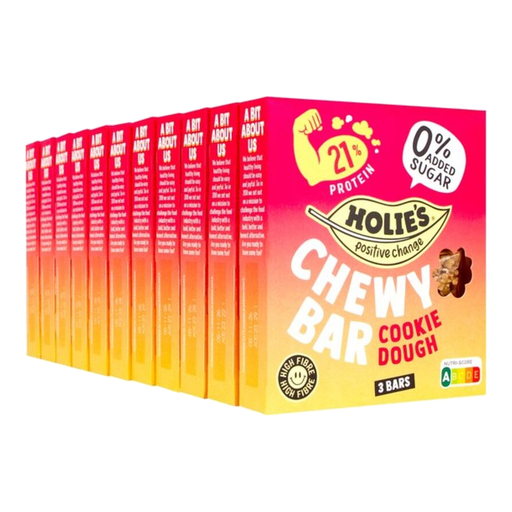 Image unavailable
A chewy biscuit bar for anyone who wants to pack a single bar. Check how the pack format translates into an individual portion, how much it weighs and which allergens are listed on the label.
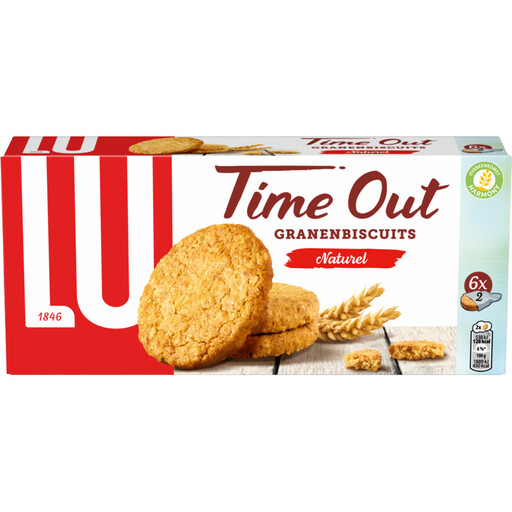 Image unavailable
A grain biscuit option if a small biscuit portion suits you better than a bar. Check the pack for the weight and nutritional information of the portion you’ll be packing, as well as the current allergen information.
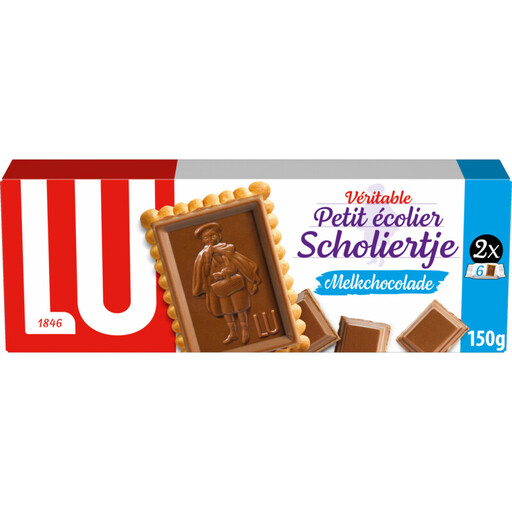 Image unavailable
For anyone who wants to pack chocolate biscuits instead of a biscuit bar. Check how many biscuits are in a portion and its nutritional information, and read the label for allergens too.
 Image unavailable
Chocolate-flavoured biscuit sticks for anyone looking for something other than a single bar. Check how many sticks make up the portion you’ll pack, the nutritional values for that amount and which allergens are listed on the pack.
Yes. In the Netherlands, the Netherlands Food and Consumer Product Safety Authority requires allergen information for prepacked foods to appear clearly on the label. Read the physical label on the exact variant you’re packing.
No. Treat a biscuit bar as a possible addition and put the rest of the lunch together separately. The Netherlands Nutrition Centre points out that snacks can contain a lot of sugars or saturated fat, so compare the nutritional value of the portion you choose.
That depends on the student’s allergen needs and the rules at the school or in the classroom. Check the ingredients on the exact pack and ask about the rules before packing the biscuit.
Use the information on the current pack of the biscuit you want to take. Albert Heijn warns that ingredient, nutritional and allergen information can change, and recommends reading the packaging before use.