
Dedicated exerciser who can’t eat straight away
Looking for a bar to take on the go when a proper meal after training is still some way off, and wants to know how much protein the whole bar contains.


If you’re mainly looking for something small to take with you after exercise, first decide whether you want a snack chosen for its protein or a biscuit as a treat. According to the Netherlands Nutrition Centre, most people who exercise don’t need a special protein bar if they eat a healthy, varied diet. A bar also doesn’t automatically replace a regular meal. When choosing, compare the nutritional information per 100 g and per portion, and check the current label for ingredients and allergens.
Looking for a bar to take on the go when a proper meal after training is still some way off, and wants to know how much protein the whole bar contains.
Wants one easy-to-carry portion, so compares the packaging, portion size and nutritional information of different biscuits and bars.
Simply wants a biscuit after exercise, rather than a product to boost their protein intake. A pack with individually wrapped portions can be handy.
First decide why you want a snack after exercise: for protein, to take with you or as a little treat. Then compare the full portion you’ll eat, not just the wording on the front of the pack.
| What to consider | What to check when buying | Who it’s most relevant to |
|---|---|---|
| Protein per bar | Check the amount of protein in the whole bar, as well as the ingredients and allergens. According to Albert Heijn, two AH protein bars tested contain 17 g and 18 g of protein per bar respectively. | If I can’t have a meal soon after an intense workout, I want to know how much one bar contributes to my protein intake. Around 42% of consumers give this need top priority. |
| Portion to take on the go | Check the weight of one bar or bag and whether the portions are individually wrapped. Compare the nutritional value per 100 g and per portion. | If I need to head off straight after the gym, I want to take one portion with me without having to weigh it. Convenience comes first for around 33% of consumers. |
| A little treat | Check how many biscuits you’ll actually eat, then read the sugar, protein and allergen information per portion on the current label. | After exercise, I’m mainly looking for something small that I enjoy, not a bar for its protein content. This is the top priority for around 25% of consumers. |
According to the Netherlands Nutrition Centre, most people who exercise don’t need a special protein bar if they eat a healthy, varied diet. A bar also doesn’t automatically replace a main meal.
Think about whether you need a snack because you can’t eat straight away, and consider a protein bar in the context of everything else you eat.
It’s difficult to compare the protein per bar with another bar if the portions have different weights. For example, Albert Heijn lists the protein per bar for tested varieties with different portion sizes.
First compare the nutritional information per 100 g, then look at the protein, sugar, fat and fibre in the portion you’ll actually eat.
An individually wrapped bag of biscuits is handy as a treat, but the portion packaging tells you nothing about its protein content. Jumbo describes the Lotus Biscoff XL pack tested as ten bags, each containing two biscuits.
Choose according to your goal: check the nutritional value per portion if protein matters to you, or compare portion sizes if you’re after a little treat.
Ingredients and allergens vary from product to product. The product pages for two AH protein bars tested also warn that excessive consumption may have a laxative effect.
Before eating, check the ingredients, allergens and any usage warnings on the pack, especially if you have an allergy or are sensitive to certain ingredients.
Speculoos biscuits for anyone looking for a biscuit treat. According to Jumbo, the XL 2P x 10 pack tested contains ten bags, each with two biscuits.
The AH protein bars tested are individually portioned. Albert Heijn lists 17 g of protein for the white chocolate pistachio bar and 18 g for the white chocolate peanut caramel bar.
The Jumbo range tested includes both the Lotus Biscoff multipack and bars, including varieties from Upfront.
This selection includes protein bars and biscuits to choose from after exercise. If you want to take one portion with you, check how the bars or biscuits are packed; if you’re choosing based on protein, read the nutritional information for the whole bar.
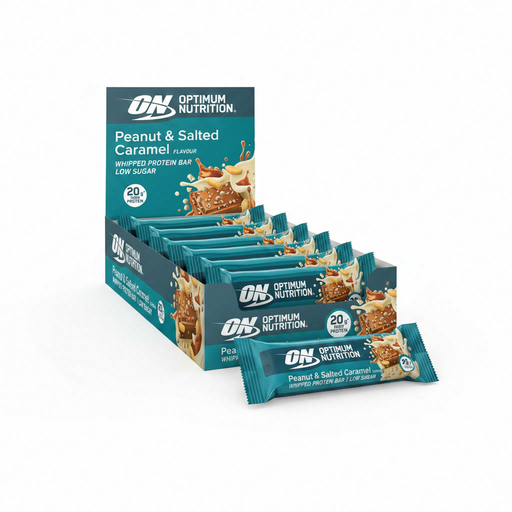 No image available
An option if you want to take a protein bar with you after exercise. The product title lists ten 68 g bars; check the bar weight on the pack before comparing nutritional values per portion.
Also check the current ingredients, allergens and usage warnings.
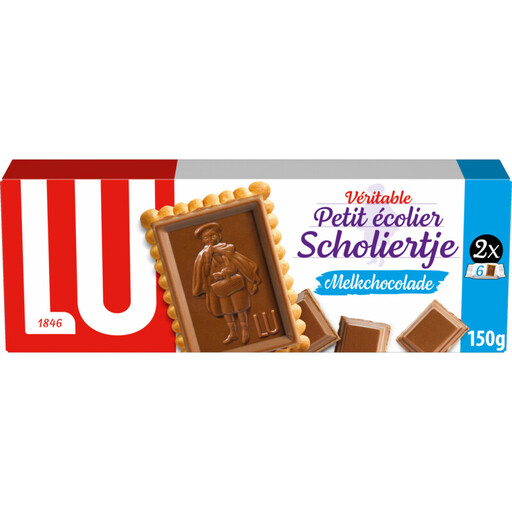 No image available
Chocolate biscuits for anyone who wants a biscuit treat after exercise rather than a protein bar. Check the pack to see how many biscuits make up one portion, and read the nutritional information and allergen details.
 No image available
Speculoos biscuits for anyone mainly looking for a treat. This is a 250 g pack, not Jumbo’s XL 2P x 10 multipack; check the packaging if you want individual bags to take with you.
For nutritional values per biscuit and allergen information, check the current label.
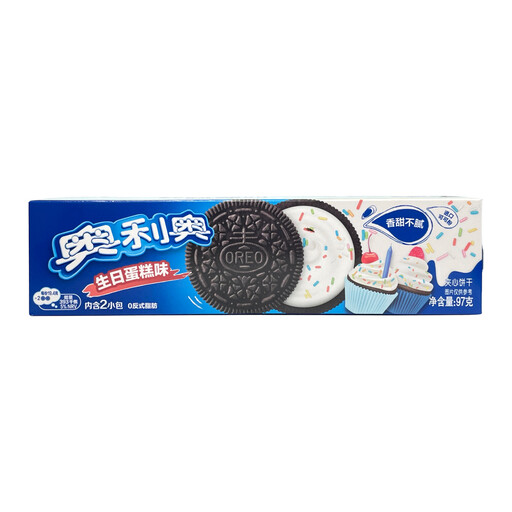 No image available
A biscuit snack for anyone who wants something small to eat after exercise. The pack contains 97 g; check the label for portion size, nutritional information and allergens before comparing it with an individually wrapped bar.
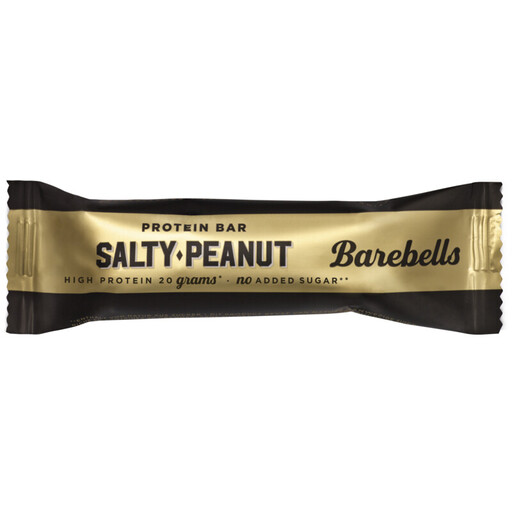 No image available
An individually wrapped protein bar for anyone who wants to take one along after exercise. The product title lists 55 g; check the nutritional information for the whole bar on the current label before choosing it for its protein content.
Also check the ingredients, allergens and any usage warnings.
No. According to the Netherlands Nutrition Centre, most people who exercise don’t need a special protein bar if they eat a healthy, varied diet. A bar can be a convenient snack if you can’t have a meal straight away; consider what else you eat during the day, too.
Not necessarily. The Netherlands Nutrition Centre recommends having a regular main meal after exercise, such as breakfast, lunch or dinner. Have an individual biscuit or bar as a snack if your meal is still some way off.
First compare the nutritional value per 100 g, then check what’s in one whole bar. This lets you see both the differences between products and the amounts of protein, sugar, fat and fibre in the portion you’ll eat.
Read the allergen information on the current packaging for the specific product. Biscuits and bars may contain allergens such as cereals containing gluten, milk, peanuts, nuts and soya. Don’t rely on the product category or packaging from a previous purchase.
The product pages for two AH protein bars tested state that excessive consumption may have a laxative effect. Check the ingredients and warnings on the current label of the bar you choose, especially if you plan to eat more than one.