
Anyone who wants to practise and listen back quickly
You want to record the same intro repeatedly on a computer and listen back straight away, with as little connection faff as possible.


For a fixed recording setup, a wired USB headset is a practical choice if you want to record and listen back on a computer using a single connection. If you already have a suitable audio interface and want a broadcast headset, check that both the microphone and headphone plugs fit. Record a test using your own voice in both languages; product specifications can’t tell you how a headset will sound for your bilingual intro.
You want to record the same intro repeatedly on a computer and listen back straight away, with as little connection faff as possible.
You’re looking for a headset to speak and monitor audio with, and want to check in advance that the plugs fit your existing recording equipment.
You want to listen back to different versions of your intro. Recording a test in both languages helps you judge how your own voice sounds.
Start by checking the connections on your recording equipment. Then compare how you position the microphone and listen back to your recorded voice.
| What to consider | What should you check? | Who is this important for? |
|---|---|---|
| A clear, consistent voice | Check whether the microphone boom is adjustable. Record the same sentences in both languages and listen for differences in volume, breath sounds and plosives. | When recording multiple takes, I want my voice to sound comparably clear in both languages; consistent vocal sound is the main concern for around 36% of consumers. |
| Connection to your equipment | Check that the exact USB-A or USB-C version is compatible. If there are separate plugs, both the microphone input and headphone output need to connect. | If I want to use my existing computer or audio interface, I need to know that both connections will fit; around 29% of consumers prioritise this. |
| Listening back | Check the headphone connection and controls. Listen to test recordings to judge how your voice sounds in both languages. | I want to be able to listen back to and compare different takes; this is the main buying concern for around 21% of consumers. |
| Fit and replaceable parts | Try the headset on to assess the fit. If you’ll be using it intensively, check whether the cable and ear cushions can be replaced on the exact version. | If I practise several versions one after another, I want a comfortable headset that’s easy to maintain; this matters most to around 14% of consumers. |
Not every headset microphone also includes headphones for listening back to your recording. Shure, for example, describes the WH20 as a microphone headset, while the Audio-Technica BPHS1 has separate microphone and headphone plugs.
Check that the exact version supports both speaking and listening back, and find out which connections you’ll need.
You’ll need separate headphones to listen to recordings made with a WH20.
The product descriptions reviewed for the Logitech H390 and Jabra Evolve2 40 SE focus on calls. That doesn’t tell you how your bilingual intro will sound as a recording.
Make a test recording using the computer you’ll use for the final recording, then listen back to assess both languages.
The Audio-Technica BPHS1 and BPHS1-XF4 have different connections. According to the manufacturer’s data sheet, the Jabra Evolve2 40 SE is available in USB-A and USB-C versions.
Before ordering, compare the full model variant with the ports on your equipment.
Every plug in your recording setup needs a compatible input or output.
The BPHS1 is a broadcast headset for a recording setup with separate connections.
The H390 is a wired computer headset for anyone looking for a USB-A setup with controls on the cable.
The Evolve2 40 SE is a wired office headset for anyone looking for a computer connection and passive noise isolation.
The WH20 range is a headset microphone for a recording setup with separate components.
These wired headsets combine a microphone with headphone playback for recording and listening back. Check which connection each model uses to make sure it’s compatible with your recording computer or audio interface.
 No image available
An option if you’re looking for a wired headset with a microphone and headphone playback for recording and listening back.
The product name specifies a 3.5 mm connection and a flip-to-mute microphone; listed compatibility includes PC and mobile devices.
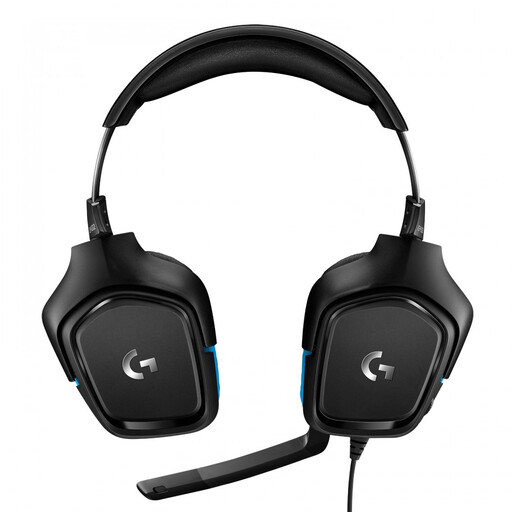 No image available
A wired headset option that lets you record and listen back using one model; check that its connection is compatible with your recording equipment first.
The product name specifies 7.1 Surround Sound and a wired gaming headset.
 No image available
An option if you’re looking for a wired headset with a microphone and headphones for use with a computer.
The product name specifies USB Type-A. Check that this connection matches the port you’ll use for recording.
 No image available
A wired headset option for anyone who wants to speak while practising and listen back to recordings through headphones.
The product name specifies 7.1 and a wired gaming headset. Check that the connection is compatible with your recording computer.
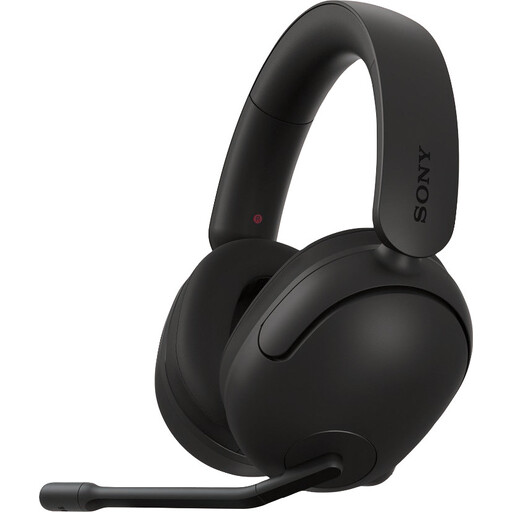 No image available
A wired headset option for recording and listening back to takes; check that its connection is suitable for your recording computer.
The product name specifies use with PC and PS5.
The manufacturer specifications reviewed don’t distinguish between recording languages. Choose based on your connections and recording needs, then record a test in both languages using your own voice; the specifications don’t show a proven advantage for any particular language.
Adjust the microphone boom near your mouth, keep your speaking position as consistent as possible between takes, and listen back to a short test. Jabra recommends positioning the microphone close to your mouth for the Evolve2 40. RØDE’s guidance for standalone microphones doesn’t automatically apply to a headset.
Check the exact headset version and the available ports on your recording equipment. A USB-A or USB-C headset needs the corresponding computer port; with a BPHS1, both the XLR microphone plug and the 6.3 mm headphone plug need to fit.
Audio-Technica lists the BPHS1 cable and ear cushions as replaceable; check whether the right part is available for your version. If a product is faulty, the seller in the Netherlands must offer a solution. The Dutch government states that there is no fixed statutory two-year guarantee period.