
Vandaag of morgen in huis

Kwaliteit gegarandeerd

Welkomstaanbiedingen ontgrendelen: GRATIS bezorging | Tot 80% korting | Gratis 30 dagen JoyPlus-proefperiode
Download de app
Buying a bike helmet sounds simple, until you have to choose between a city bike helmet, road bike helmet, MIPS bike helmet or mountain bike helmet. Marketing copy often focuses on ventilation, lightweight materials or extra protection, while the most important features are mentioned less prominently.
The most common buying mistakes arise from three pitfalls:
A suitable bike helmet should therefore match your head size, type of bike and daily route. Also check the product information and the safety marking that applies to your intended use.
Use a flexible tape measure to measure the circumference of your head, approximately 2 centimetres above your eyebrows. Compare the result with the manufacturer’s size chart. Sizes vary between models, so an L is not necessarily the same size from one brand to another.
An adjustable bike helmet usually has a dial at the back. Use it to adjust the inner ring. The helmet should sit securely without creating pressure points. The front should generally sit a few centimetres above your eyebrows, and the chin strap should fit snugly without hanging loose.
Check the fit as follows:
A growth model is not automatically practical for children. A children’s bike helmet should fit properly now. According to the product information, the RoyalBaby models below are intended for children aged 5 to 13, with an adjustment range that you should compare with your child’s head size in advance.
Many bike helmets combine a polycarbonate or PC outer shell with an EPS inner layer. The outer shell helps give the construction its shape, while EPS is designed to absorb energy in the event of an impact. However, no helmet can guarantee protection against every type of accident.
Check the following before buying:
With a MIPS bike helmet, the manufacturer states that it features an additional layer designed, according to its own product information, to limit certain rotational forces in angled impacts. Consider MIPS a product specification, not a guarantee against injury.
A city bike helmet for everyday use benefits from a low weight, simple adjustment and sufficient ventilation. For commuters, a bike helmet with a light can provide extra visibility at dusk. Check the battery life, charging method and visibility of the light. According to the product description, a model with front and rear lights, such as the DKONI HS-158, has five white LEDs at the front and thirteen red LEDs at the rear.
Different features are relevant for sporty use. A road bike helmet often has plenty of ventilation openings and a lower profile. A mountain bike helmet may have a longer visor to protect against sun, rain, mud and branches. For downhill, BMX or intensive mountain biking, a full-face bike helmet with a chin guard may be more suitable, but it is heavier and warmer than an open model.

Why it suits this profile: According to the product information, the L size is suitable for a head circumference of 57–61 cm. The helmet is aimed at adults and everyday cycling, with an adjustable rear dial.
The adjustment process is clearly described. However, first check that 57–61 cm matches your head size; a dial alone cannot make the wrong size fit properly.
Adult model with ventilation openings, an adjustable fit and removable inner padding, according to the product description.
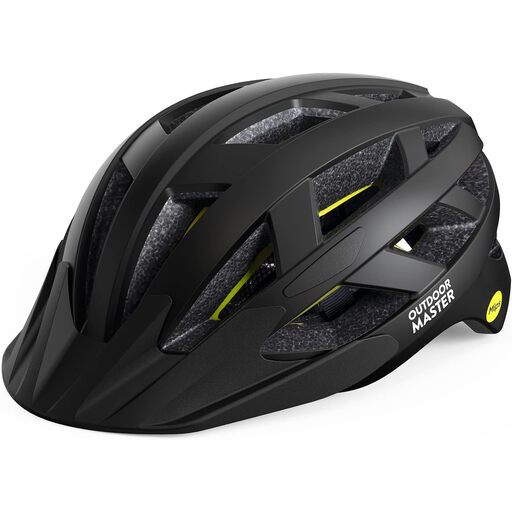
Why it suits this profile: This model combines MIPS, 25 ventilation openings, a removable visor and two removable liners. This makes it suitable for adults who switch between road cycling, mountain biking, BMX and recreational cycling.
The fit can be adjusted with a dial and different liners. According to its own product information, the manufacturer states that the MIPS system can limit certain rotational forces.
PC outer shell, EPS inner layer, 25 ventilation openings and a removable visor; available in several sizes and colours.
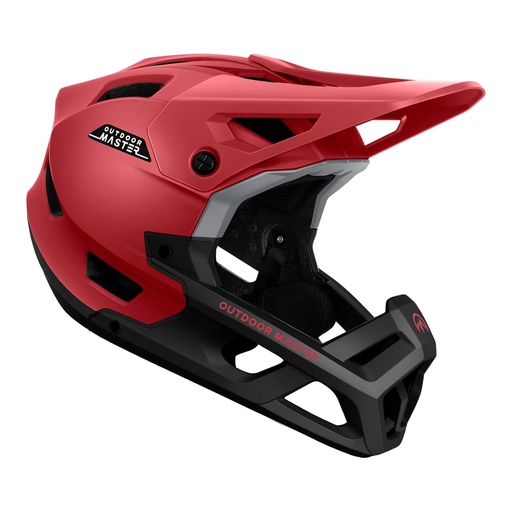
Why it suits this profile: The integrated chin guard, EPP inner material, adjustable visor and goggle strap are designed for downhill, BMX and intensive mountain biking.
You are consciously choosing greater coverage rather than a lightweight model for commuting. Check the fit using the D-ring straps and always fasten the chin strap correctly.
ABS outer shell, EPP inner layer, 27 ventilation channels, removable liner and adjustable visor, according to the product information.
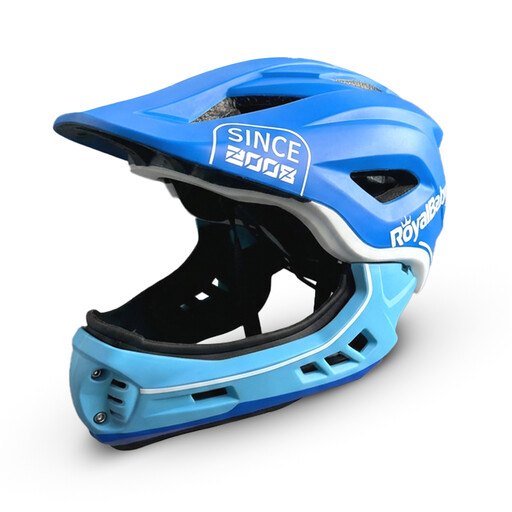
Why it suits this profile: According to the product description, the 2-in-1 design can be used as either a full-face or half helmet. The model is intended for children aged 5–13 and has an adjustment range of 20–23 inches.
The size is adjustable and the chin guard can be removed. Nevertheless, always measure your child’s head; age alone does not determine the correct size.
PC outer shell, removable washable liner, multiple ventilation openings and an integrated light on the adjustment dial.
We have put together a complete, up-to-date list of products that fully meet these strict selection criteria and the applicable European safety regulations.
A bike helmet should fit securely without causing pain or pressure points. It should not move from side to side when you move your head. Adjust the rear dial first, then adjust the chin strap. Do not wear a thick hat under the helmet, as it can affect the fit.
Replace a bike helmet after a collision or fall in which the helmet has taken an impact, even if there is no visible damage. Also regularly check the outer shell, EPS layer, fastening, straps and liner. Some manufacturers recommend replacing the helmet after approximately 3 to 5 years, depending on use, storage and wear. Follow the brand’s maintenance and replacement guidance.
MIPS is not essential for every cyclist. According to manufacturers’ own product information, the system is designed to limit rotational forces in certain angled impacts. For everyday cycling, the correct size, secure fastening and a suitable safety standard remain important checks. Choose MIPS particularly when this additional product specification suits your preferences and intended use.
