
Vandaag of morgen in huis

Kwaliteit gegarandeerd

Welkomstaanbiedingen ontgrendelen: GRATIS bezorging | Tot 80% korting | Gratis 30 dagen JoyPlus-proefperiode
Download de app
A good helmet is essential, whether you cycle to work daily, teach your child to rollerblade, or hit the mountain bike trails on the weekend. But the market for bike and skate helmets can be overwhelming. Many products look alike, and marketing promises make it difficult to determine what really matters. As a result, many people make choices they later regret.
Before you buy a protective helmet, it's wise to know the most common pitfalls:
kids' helmet, a flashy design is tempting. A fun design is fine, but it means nothing without a valid safety certificate.bike helmet is designed for different types of impacts than a robust skate helmet. Choosing the wrong type can significantly reduce protection.To avoid buyer's remorse, you can focus on a few objective specifications. These features determine safety and comfort, regardless of brand or price.
This is the single most important point. Every bike helmet or skate helmet sold in the EU must comply with the EN1078 standard. This certification guarantees that the helmet has been tested for crucial properties like shock absorption, construction, and chin strap strength. A helmet without this label offers no proven protection. Therefore, always check that the EN1078 helmet certification is mentioned in the product description.
A helmet only works if it fits properly. An adjustable helmet is therefore a practical choice for both an adult helmet and a kids' bike helmet. Pay attention to the following points:
Helmets are made in different ways. The two most common methods are:
rollerblade helmets, are often more robust and highly durable.Also, consider extras relevant to your use. For example, a helmet with a light increases visibility in the dark, which is a major advantage for commuters. For a mountain bike helmet, a visor can be useful against sun and mud.
Based on these objective criteria, we have selected a number of products that suit different user profiles.
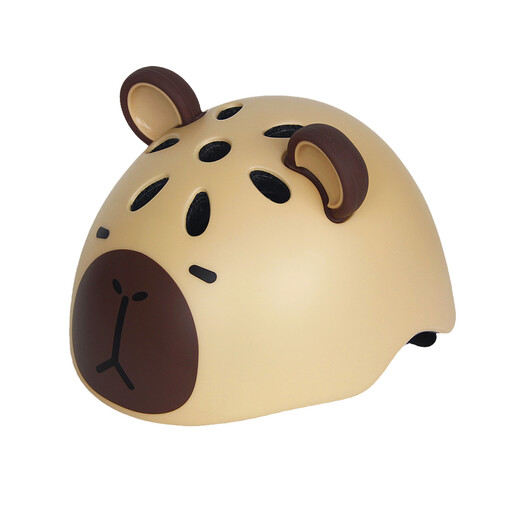
Why This Fits Their Persona: For kids, wearing a helmet can sometimes be a battle. This model, with its playful capybara design and 3D ears, makes safety fun, increasing the chances they'll wear it without protest while cycling, scootering, or skating.
This helmet combines an attractive design (pitfall 2) with the essential EN1078 certification and an adjustment system for a proper fit (pitfall 1).
The in-mould construction makes the helmet lightweight and durable. The 7 ventilation openings ensure comfort during active play.
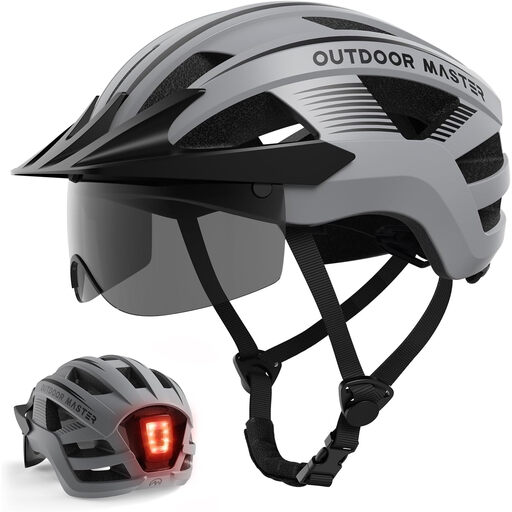
Why This Fits Their Persona: For the adult who navigates daily traffic, visibility and comfort are crucial. This helmet is designed for commuting, with practical features for changeable weather and riding at dusk.
This is a specific bike helmet (pitfall 3) that goes beyond the basics. The integrated light and goggles are functional additions, not empty marketing gimmicks.
Includes a rechargeable rear light for better visibility and a magnetically detachable goggle that protects against wind, rain, and insects.

Why This Fits Their Persona: Ideal for those who switch between the skatepark and bike paths. Its robust construction is designed to withstand the repeated, minor impacts common in skating, while also being certified for cycling safety.
This is a true multi-sport helmet (pitfall 3). The reinforced ABS shell provides the durability needed for a skate helmet, unlike lighter, more specialised bike helmets.
Comes with two removable liners of different thicknesses, allowing you to customise the fit. The liners are washable.
We've compiled a complete, up-to-date list of products that fully meet these strict selection criteria and safety regulations.
The right size is essential for a helmet to function correctly. Measure the circumference of your head at its widest point, about 2 centimetres above your eyebrows and ears, using a flexible measuring tape. Compare this measurement with the helmet's size chart. A well-fitting helmet sits securely but not uncomfortably tight. It should not slide forward, backward, or sideways when you shake your head.
A helmet must be replaced immediately after a hard fall or impact, even if there is no visible damage. The internal shock-absorbing structure can be invisibly compromised, causing the helmet to lose its protective function. Additionally, most manufacturers recommend replacing a helmet every 3 to 5 years. Materials can weaken over time due to exposure to sweat and UV light.
Not necessarily. Every helmet sold in the EU must meet the basic EN1078 safety standard. A higher price is often due to extra features, such as lower weight, better ventilation, a more aerodynamic design, or advanced technologies. For example, some brands use MIPS, a system they claim reduces rotational forces during a fall. However, the basic protection against a direct impact is subject to the same minimum requirements for all certified helmets.
