
Vandaag of morgen in huis

Kwaliteit gegarandeerd

Welkomstaanbiedingen ontgrendelen: GRATIS bezorging | Tot 80% korting | Gratis 30 dagen JoyPlus-proefperiode
Download de app
A good bike helmet with integrated lighting is a smart move for anyone who regularly cycles in the Netherlands. After all, visibility is one of the keys to safety, especially in the early morning or late evening. However, the market offers an abundance of choices, and not every helmet that looks flashy is actually a good purchase.
Many cyclists fall into the same traps: they buy a helmet with a weak battery, an uncomfortable fit, or lighting that is more of a gimmick than a serious safety feature. Before you make a decision, it's helpful to know how to avoid these common mistakes.
rechargeable bike helmet sounds practical, but many models use outdated micro-USB ports or have a battery that dies after just a short ride. This leads to frustration and an unused feature.safe bike helmet is one that fits precisely.bike helmet with LED lighting has bright, well-positioned lights that truly alert other road users.To avoid buyer's remorse, it's best to focus on a few objective specifications. These features determine the safety, comfort, and usability of your helmet.
Every bicycle helmet sold in Europe must comply with the EN 1078 standard. This is the basic guarantee that the helmet is approved for cycling, skateboarding, and roller skating. For a standard e-bike helmet (up to 25 km/h), this certification is sufficient. The construction is also important. Many modern helmets use an 'in-mold' technique, where the outer shell and the inner foam are fused into a single, sturdy unit.
A helmet only works if it fits well. Finding the right size is simple:
A good system with a dial at the back is essential for adjusting the helmet precisely. This ensures a stable fit for both a men's bike helmet and a women's bike helmet.
The details make the difference in daily use:
rechargeable bike helmet with a USB-C port. This is the modern standard and avoids the hassle of different cables. Also, check for multiple light modes (steady, flashing) and whether there are both front and rear lights.bike helmet with a visor is not an unnecessary luxury. A detachable (sun) visor protects your eyes from sun, wind, and rain. Some models even have a magnetic eye shield that functions like a pair of sunglasses.MIPS helmet includes an extra, thin layer on the inside. This system is designed to reduce the rotational forces that can occur on the head during an angled impact. It's an additional safety feature that is becoming increasingly common.Based on these objective criteria, we have selected a number of models that suit different types of cyclists.
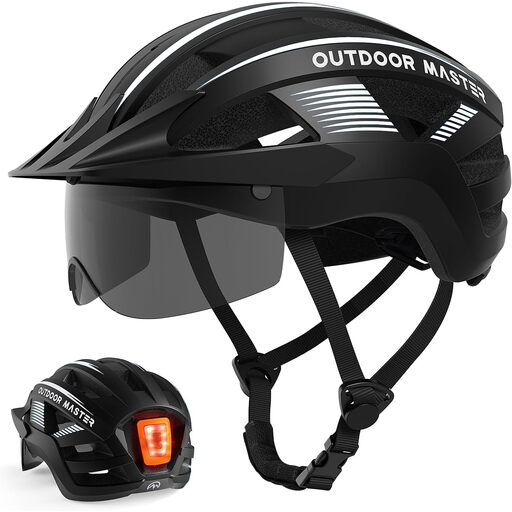
Why This Fits Their Persona: Ideal for the daily ride to work or school. This helmet combines a rechargeable rear light with a detachable visor and magnetic goggles, preparing you for unpredictable Dutch weather and varying light conditions.
The adjustable dial system ensures a precise fit, avoiding the 'one-size-fits-all' trap. The Type-C charging port for the rear light is modern and user-friendly.
Multifunctional thanks to the included magnetic goggles and sun visor. The helmet is CPSC and ASTM certified.
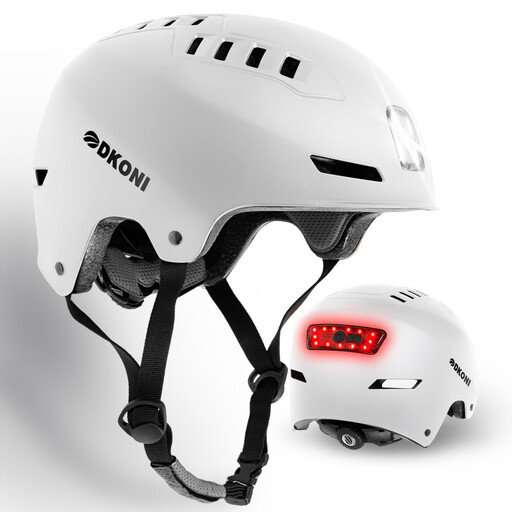
Why This Fits Their Persona: For those who often cycle at dusk or in the dark and make visibility their top priority. This helmet offers lighting on both the front and back, ensuring you are clearly visible from all angles.
This is no gimmick lighting. With 5 white LEDs on the front and 13 red LEDs on the back with four modes, this helmet provides serious illumination that significantly improves your visibility.
Integrated front and rear lighting for 360-degree visibility. The inner lining is removable and washable.

Why This Fits Their Persona: For the cyclist who prioritizes safety during performance rides or long tours. This helmet focuses on advanced protection with the MIPS system, combined with a lightweight and well-ventilated design for comfort.
This helmet focuses on a core function: superior protection. Instead of all sorts of extras, this model invests in MIPS technology, a proven system for reducing rotational forces.
Features the MIPS system for added protection. The design is lightweight and has multiple vents, which is ideal for a road bike helmet or intensive use.
We have compiled a complete, up-to-date list of products that fully meet these strict selection criteria and Dutch safety regulations.
The right size is crucial for safety. Measure the circumference of your head at its widest point (about 2 cm above your eyebrows and ears) with a flexible measuring tape. Most helmets are sold in sizes that correspond to a head circumference in centimetres, such as 54-58 cm (Medium) or 58-61 cm (Large). Ensure the helmet sits level on your head and does not wobble.
MIPS stands for Multi-directional Impact Protection System. It is a technology consisting of a thin, low-friction layer inside the helmet. According to the developers of MIPS, this system is designed to reduce the rotational motion transferred to the head from an angled impact. While it is not a mandatory standard, many cyclists consider it a valuable extra safety measure.
You should replace your bike helmet immediately after a fall or a hard impact, even if you don't see any visible damage. The internal structure of the foam can be compromised, losing its protective function. Additionally, it is recommended to replace a helmet every 3 to 5 years, depending on use. Materials like the EPS foam and the plastic shell can degrade over time due to exposure to sunlight and sweat.
