
Vandaag of morgen in huis

Kwaliteit gegarandeerd

Welkomstaanbiedingen ontgrendelen: GRATIS bezorging | Tot 80% korting | Gratis 30 dagen JoyPlus-proefperiode
Download de app
A bike helmet with integrated lighting is no longer a novelty; it's a smart investment for anyone who rides daily. Better visibility means greater safety, especially during the early morning or late evening. However, the market is flooded with models that overpromise and underdeliver. Before you invest in a new helmet, it's crucial to know where the pitfalls lie.
Many cyclists fall into the same traps: a helmet with a dim, barely visible light, a battery that dies after just half an hour, or a fit that becomes uncomfortable after a few rides. These are the three most common purchasing mistakes:
To avoid wasting money on a helmet that underperforms, there are a few technical specifications you should always check. These features distinguish a handy gadget from a reliable piece of safety equipment.
A good bike helmet with LED lighting must be practical to use. Check the following points:
A safe bike helmet is one that fits perfectly and doesn't shift. Measure your head circumference (about 2 cm above your eyebrows) and compare it to the helmet's sizing chart. Look for the following systems:
Every helmet sold in Europe must comply with the CE EN 1078 standard. This is the baseline. Some helmets also have American certifications like CPSC or ASTM, which can indicate more extensive safety testing.
Also, consider extra features that suit your needs, whether you're looking for an e-bike helmet for the city or a road bike helmet for long-distance rides. For example, a helmet with a visor or magnetic goggles is very practical. It not only protects your eyes from the sun but also from wind, rain, and insects, significantly increasing comfort.
Not everyone needs the same helmet. Below are a few recommendations tailored to specific user profiles.
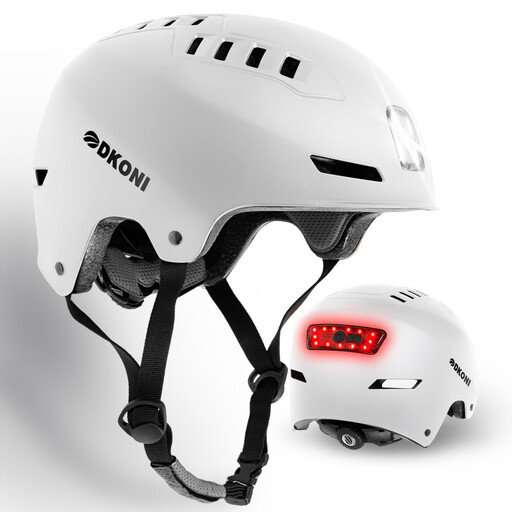
Why it's a match: This helmet is designed for the reality of urban traffic. With both white LEDs at the front and red ones at the back, you are highly visible from all sides, which is essential during rush hour.
Tackles the 'invisible lighting' pitfall by providing a complete lighting system. Its USB rechargeability and multiple light modes make it a reliable choice.
Front and rear lighting for 360-degree visibility. The 20 ventilation holes ensure comfort during your ride.
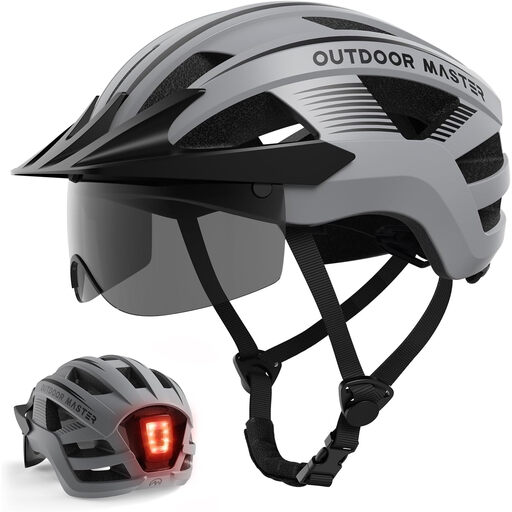
Why it's a match: For the cyclist who enjoys long weekend tours and uses an e-bike during the week. The detachable magnetic goggles and sun visor make this helmet adaptable to any weather and every ride.
The modern Type-C charging port prevents the 'rechargeable disappointment'. The precise adjustment system with a dial eliminates the 'one-size-fits-all' myth.
Extremely versatile thanks to its modular design with magnetic goggles and a detachable visor. Suitable for various cycling disciplines.
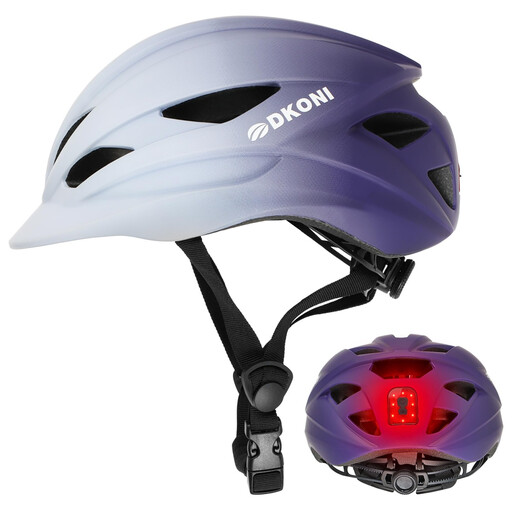
Why it's a match: A lightweight and well-ventilated helmet for the cyclist seeking a functional solution without unnecessary frills. The detachable USB rear light provides the necessary visibility for city rides.
Offers a reliable, rechargeable rear light with good battery life (3-5 hours according to the manufacturer), without the complexity of more expensive systems. The excellent fit prevents the 'one-size-fits-all' problem.
Lightweight design with a simple, effective, and detachable rechargeable rear light. A no-nonsense choice for the urban cyclist.
We have compiled a complete, up-to-date list of products that meet these selection criteria and current safety standards.
Battery life varies greatly by model and the light mode used. Manufacturers often provide an estimate. A steady light consumes more power than a flashing one. For a quality model, expect a runtime of 3 to 8 hours in a flashing mode. Always check the manufacturer's specifications for the most accurate information.
No. According to Dutch law, a bicycle must be equipped with a fixed white or yellow front light and a red rear light in the dark and during poor visibility. A helmet with lights is a supplement to your fixed bike lights, not a replacement. It significantly increases your visibility because the light is positioned higher and moves with your head, making you more noticeable to drivers.
The right size is crucial for safety. Measure the circumference of your head at its widest point, about 2 centimeters above your eyebrows and ears. Use a flexible measuring tape for this. Most helmets are sold in sizes that correspond to a specific head circumference (e.g., 54-58 cm). Choose the size that matches your measurement and use the dial at the back for fine-tuning. The helmet should feel secure without being too tight.
