
Vandaag of morgen in huis

Kwaliteit gegarandeerd

Welkomstaanbiedingen ontgrendelen: GRATIS bezorging | Tot 80% korting | Gratis 30 dagen JoyPlus-proefperiode
Download de app
Visibility and safety are crucial, whether you're commuting daily, touring on an e-bike, or hitting the road on your racing bike. A good helmet is fundamental, but combining it with integrated lighting and a visor offers added convenience and protection. However, the market is flooded with options, which can make choosing difficult.
As a Joybuy Product Recommendation Officer, my job is to help you make an informed decision. In this article, we'll discuss what to look for when purchasing a bike helmet with a light and visor and highlight some popular choices.
Before you make a choice, it's helpful to consider a few specifications. This ensures you select a helmet that suits your cycling habits.
Integrated lighting makes you more visible to other traffic, especially at dusk or in the dark. For example, an e-bike helmet with a rear light is a smart addition to your standard bike lights. Pay attention to the following points:
A visor or goggles protect your eyes from wind, rain, insects, and harmful UV radiation. The choice depends on your preference:
Polarized cycling glasses reduce glare from wet roads or car hoods. Photochromic cycling glasses automatically adjust to the light intensity, which is useful when cycling through forests and open fields. This is a popular choice for an MTB helmet with goggles or a road bike helmet with LED.A helmet only protects if it fits well and stays in place during a fall. Look for an adjustable system with a dial on the back to fine-tune the fit. Also, always check if the helmet meets current safety standards. Certifications like CPSC and ASTM indicate that the helmet has been tested for impact protection.
Based on the criteria above, we have selected a few products that stand out for their specifications and functionality.
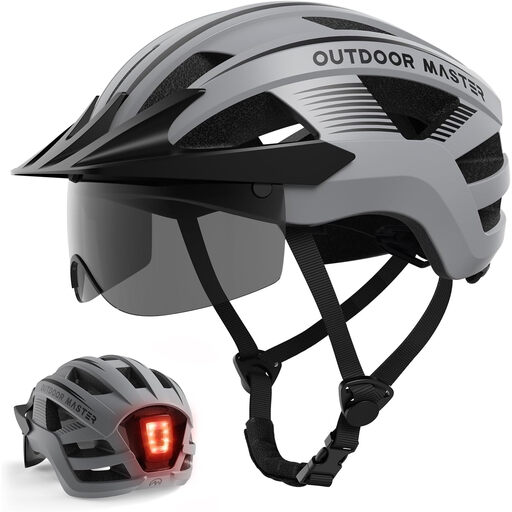
Why It Stands Out This OutdoorMaster helmet combines the key features cyclists are looking for: safety, visibility, and eye protection. The helmet is made with in-mold technology, which fuses a strong PC shell with shock-absorbing EPS foam. The addition of a rechargeable rear light and magnetic goggles makes it a complete solution.
Specifications
Who Is It For? This helmet is a practical choice for the urban cyclist, e-biker, or recreational tourer who wants a complete and user-friendly helmet for daily use.
Check out the OutdoorMaster RhinoUrban Helmet
Some cyclists prefer a helmet without a fixed visor, combined with high-quality men's sport sunglasses. This offers flexibility and often more advanced lens technology.
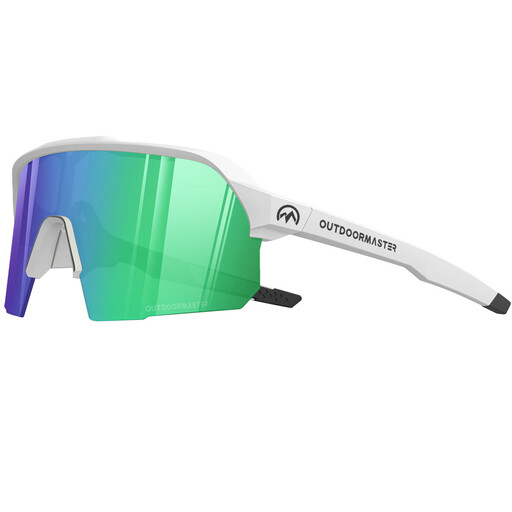
Why It Stands Out These polarized cycling glasses are designed to reduce glare and enhance color vibrancy. According to the manufacturer, the HD bronze lens filters out distracting colors for sharper vision. The frame is made of lightweight and durable TR90 material.
Specifications
Who Is It For? Ideal for road cyclists and other athletes who ride in bright conditions and desire maximum clarity and reduced glare.
Check out the OutdoorMaster Hawk HD Sunglasses

Why It Stands Out These are photochromic cycling glasses that combine polarization and photochromic technology. The lenses automatically adjust to the amount of sunlight, allowing you to ride from sunny stretches to shaded forest paths without changing glasses.
Specifications
Who Is It For? The perfect choice for the cyclist who rides in varying light conditions and wants the convenience of one pair of glasses for all situations.
Check out the OutdoorMaster HAWK LT Sunglasses
The right gear is a personal choice. If the options above don't quite match what you're looking for, or if you're curious about other accessories, there's more to discover.
See more cycling accessories in our Light Tower category
No, a bike helmet is not mandatory in the Netherlands for cyclists on a standard bike or e-bike (up to 25 km/h). A helmet is only required for riders of a speed pedelec. Separate bike lights are mandatory in the dark and during poor visibility. Integrated helmet lighting is an additional safety measure but does not replace the legally required bicycle lights.
A visor or goggles protect your eyes from various elements such as wind, rain, dust, and insects. This significantly increases comfort, especially at higher speeds or during long rides. Additionally, it provides protection against harmful UV radiation from the sun, which contributes to the long-term health of your eyes.
To determine the correct size, measure the circumference of your head with a flexible measuring tape. Place the tape about 2 cm above your eyebrows and ears, and measure the widest part of your head. The measured circumference in centimeters corresponds to the helmet size. Manufacturers often indicate this as a range, for example, L (58-61 cm). A well-fitting helmet is comfortable and does not shift when you move your head.
