
Vandaag of morgen in huis

Kwaliteit gegarandeerd

Welkomstaanbiedingen ontgrendelen: GRATIS bezorging | Tot 80% korting | Gratis 30 dagen JoyPlus-proefperiode
Download de app
By: Joybuy Product Recommendation Officer
Looking for a new bike helmet but feeling overwhelmed by the options? The selection is vast. You hear terms like MIPS, see helmets with built-in lights, and wonder what you really need for your rides through the city, the woods, or on your road bike.
This guide is designed to help. We'll cut through the marketing jargon and focus on the specifications that truly matter. This way, you can make an informed decision on a helmet that suits your activities and comfort.
Before we look at specific models, here are three key factors to help you filter through the options.
You'll increasingly come across the term helmet with MIPS. MIPS stands for Multi-directional Impact Protection System. According to its developers, MIPS is a low-friction layer inside the helmet designed to reduce rotational forces on the head during certain angled impacts. While no helmet can guarantee complete protection, this is a technology adopted by many brands to enhance safety. It's worth considering, especially if you regularly ride an MTB or road bike.
A good helmet not only protects you in a fall but also helps prevent an accident in the first place. A helmet with a light is a prime example. An integrated, rechargeable rear light makes you significantly more visible to other traffic, which is particularly useful for daily cyclists and e-bike helmet users in the city.
Additionally, accessories like a detachable visor or magnetic goggles add extra comfort. A visor keeps the sun and rain out of your eyes, while goggles protect against wind, insects, and flying debris.
A helmet that doesn't fit properly offers less protection and is uncomfortable. An adjustable helmet is therefore the standard. Look for a dial at the back that allows you to fine-tune the circumference. Adjustable chin straps are also essential.
Many helmets come with removable liners of different thicknesses, allowing you to further personalize the fit. This ensures the helmet is suitable for both women's bike helmet and men's bike helmet models, as the fit can be individually adjusted. Good ventilation ports prevent your head from overheating during exertion.
Based on the criteria above, we have compiled a list of popular choices with various features for you.
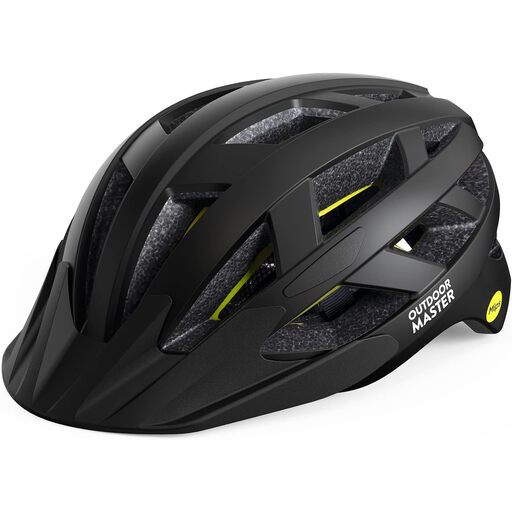
Why It Stands Out: This helmet integrates the MIPS system, a technology focused on reducing rotational forces during a fall. This makes it an interesting option for those who prioritize safety features.
Key Features:
Who is this helmet for? For the recreational cyclist and commuter looking for a helmet with the added safety feature of MIPS, combined with great comfort and ventilation.
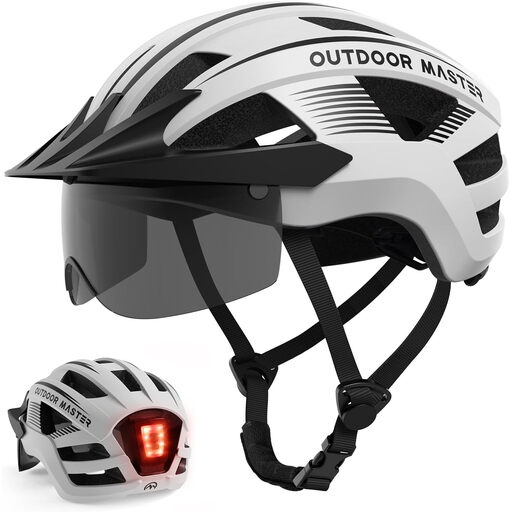
Why It Stands Out: The RhinoUrban focuses on visibility and versatility. The built-in, rechargeable LED rear light and the included magnetic goggles make this helmet a complete package for varying conditions.
Key Features:
Who is this helmet for? Ideal for the commuter, e-biker, and performance cyclist who wants one helmet for both day and night rides. The extras make it suitable for both the road bike and the MTB.

Why It Stands Out: This is a true all-rounder. The robust ABS outer shell and classic shape make it suitable not only as a bike helmet but also as a skate helmet.
Key Features:
Who is this helmet for? For the active user who, in addition to cycling, also enjoys skating or inline skating and is looking for a single helmet for multiple sports. A practical and durable choice.
The helmets above provide a great starting point, but perhaps you're looking for something slightly different. Everyone has unique preferences when it comes to color, style, or specific features. For a broader overview of models and specifications, you can browse our full collection.
Check out our full range of plastic bike helmet and find the helmet that's right for you.
A bike helmet is often lighter, has more ventilation ports, and is more aerodynamically shaped. They are designed to protect against a single, high-impact event. A skate helmet, like the OutdoorMaster Oryx, typically has a harder and smoother ABS outer shell and is designed to withstand multiple small impacts, which are more common when learning skate tricks.
A well-fitting helmet sits level on your head, about two finger-widths above your eyebrows. It should not tilt forward or backward. Use the adjustment system at the back to tighten the helmet until it is snug but not tight. The chin straps should form a 'V' shape around your ears, and you should be able to fit no more than one or two fingers between the strap and your chin.
