
Vandaag of morgen in huis

Kwaliteit gegarandeerd

Welkomstaanbiedingen ontgrendelen: GRATIS bezorging | Tot 80% korting | Gratis 30 dagen JoyPlus-proefperiode
Download de app
Finding a good bike helmet can sometimes feel like a daunting task. The market is flooded with models making all sorts of promises. But how do you know if you're buying a helmet that's truly right for you, or just paying for marketing hype? Many cyclists fall into the same traps: they buy a helmet that's uncomfortable, poorly ventilated, or simply doesn't offer the right protection for their activity.
Before you make a choice, it's smart to know what to look for. We'll discuss the most common missteps and the specifications that truly matter.
To avoid a bad purchase, it's best to focus on a few key specifications. These objective characteristics determine a helmet's safety, comfort, and usability.
A helmet's purpose is to protect your head, making its construction crucial. Most modern helmets use an in-mold construction, where the outer shell and the shock-absorbing EPS foam layer are fused together. This results in a lightweight and strong helmet. Other models, like a skate helmet, often have a harder ABS outer shell that is more resistant to dents and scratches from frequent use.
Also, look for technologies like MIPS (Multi-directional Impact Protection System). According to its developers, MIPS is an additional layer inside the helmet designed to reduce rotational forces during an impact. A MIPS helmet can be a worthwhile consideration if you regularly cycle at high speeds or ride on unpaved terrain.
Not every helmet is suitable for every sport. The differences lie in the design, coverage, and ventilation.
Some extras are more than just a gimmick. A built-in, rechargeable rear light significantly increases your visibility in traffic. A detachable magnetic visor or goggles can protect your eyes from wind, rain, and insects, which is especially pleasant on a faster e-bike. Adjustable systems with a dial at the back ensure the helmet fits your head precisely, which is essential for both comfort and safety.
Based on these criteria, we have selected several OutdoorMaster bike helmets that suit different user profiles.
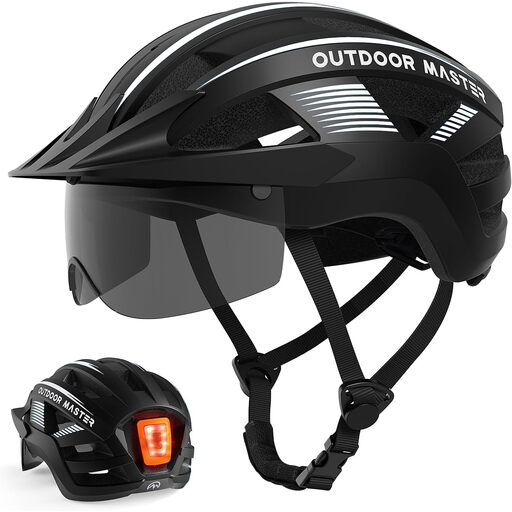
Why This Fits Their Persona: Ideal for the cyclist who navigates daily traffic, even at dusk. The combination of lighting and eye protection makes this helmet practical for commuting, regardless of the weather.
This helmet focuses on features that directly contribute to urban safety and comfort. You're not paying for extreme aerodynamics, but for useful extras like the rechargeable rear light and magnetic goggles.
Integrated, Type-C rechargeable rear light. Includes detachable magnetic goggles and a sun visor.
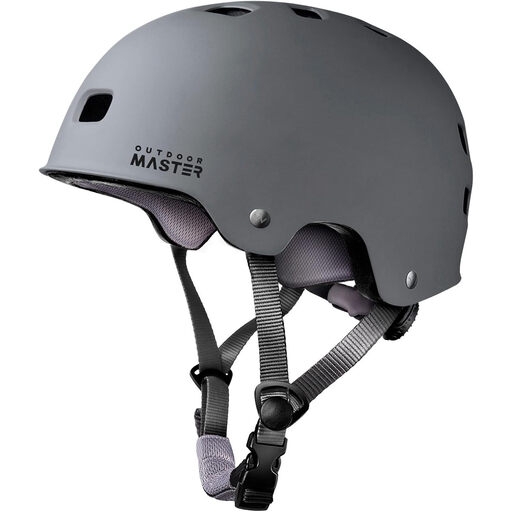
Why This Fits Their Persona: For those who switch between a bike, skateboard, and inline skates. This helmet has a robust construction designed for the varied impacts of different urban sports.
You buy one helmet suitable for multiple activities, instead of a specific helmet that doesn't offer the right protection for another sport. The focus is on durability and a proper fit.
Reinforced ABS shell with a shock-absorbing EPS core. Comes with two removable liners for a customisable fit.

Why This Fits Their Persona: For the male or female cyclist who regularly rides a road or mountain bike and values advanced protection and comfort on long rides.
You invest in a concrete safety technology (MIPS) instead of vague marketing claims. The helmet combines this protection with a lightweight design and good ventilation, which is essential for performance.
Equipped with the MIPS system. Features 25 vents for optimal airflow and a detachable visor.
We have compiled a complete, up-to-date list of products that fully meet these strict selection criteria and safety regulations.
The right size is crucial for safety. Measure the circumference of your head with a flexible measuring tape, about an inch (or 2 cm) above your eyebrows and ears. Compare this measurement with the size chart on the helmet's product page. Most OutdoorMaster helmets, whether it's a men's bike helmet, women's bike helmet, or kids' bike helmet, also have an adjustable dial at the back for a precise fit.
A helmet should be replaced immediately after a hard fall or impact, even if there is no visible damage on the outside. The internal shock-absorbing structure may have done its job and is therefore weakened. Additionally, most manufacturers recommend replacing a helmet every 3 to 5 years. Materials can degrade over time due to exposure to UV radiation and sweat, which reduces their protective capabilities.
MIPS stands for Multi-directional Impact Protection System. According to its developers, this system is designed to reduce the rotational forces that can act on the brain during certain types of impacts. Although any helmet with a CE certification meets basic safety requirements, a MIPS helmet is considered an extra layer of protection by many serious cyclists. This is particularly relevant for disciplines like mountain biking and road cycling, where the chance of an angled impact is greater.
