
Vandaag of morgen in huis

Kwaliteit gegarandeerd

Welkomstaanbiedingen ontgrendelen: GRATIS bezorging | Tot 80% korting | Gratis 30 dagen JoyPlus-proefperiode
Download de app
Buying a bike helmet seems straightforward until you have to choose from dozens of models. A low price does not tell you everything, but neither does a long list of features. For cyclists in the Netherlands, a good fit, suitable use and verifiable product specifications are particularly important.
Parents often look for a children’s bike helmet that stays comfortable during school journeys and outdoor play. Adult cyclists tend to pay more attention to ventilation, weight, MIPS, a visor or a rear light. The right choice therefore depends on who will be wearing the helmet and where it will be used.
A helmet for children aged 5 to 13 can fit differently depending on the brand. Therefore, measure the head circumference with a tape measure, approximately two centimetres above the eyebrows. An adjustable bike helmet is useful, but the adjustment system cannot compensate for the wrong basic size.
A well-fitting helmet sits horizontally on the head. The front covers the forehead without obstructing vision. The chin strap sits securely without digging in, and the helmet does not move when you gently turn your head from side to side.
A bike helmet with LED light, visor or magnetic glasses can be practical, especially for commuting or rides in changing conditions. However, such a feature does not replace a good fit, correct fastening or lights on the bike.
MIPS should not be viewed as a guarantee either. According to the product descriptions from the relevant brands, the system is designed to reduce the transfer of rotational forces during certain angled impacts. No helmet can protect against every accident.
A road bike helmet is generally designed to be lightweight and provide good airflow. A mountain bike helmet often offers more coverage at the sides and rear. A full-face bike helmet is intended for more intensive disciplines such as downhill, BMX or aggressive mountain biking. For a gentle ride around town, such a model may be unnecessarily heavy or warm.
Compare the measured head circumference with the product’s size chart. Examples from the range include:
Always check which range applies to the selected colour and version. An M or L label alone is not enough to determine the correct size.
Many models combine a hard outer layer made from polycarbonate, or PC, with an inner layer of EPS or EPP. These materials serve different purposes within the construction. An in-mould construction bonds the outer shell and foam layer during production, but this alone does not indicate whether a helmet is suitable for every situation.
Also look for information about European conformity and the relevant standard for bike helmets, such as EN 1078. Check this on the product page, the packaging and the marking on the helmet. American references such as CPSC or ASTM are additional product information, but do not automatically assume that they replace European conformity information.
Ventilation openings affect airflow. A breathable bike helmet is particularly comfortable during longer rides or for sporty use. The stated weight can help when comparing models:
Also check whether the inner padding is removable and washable. Use mild soap and allow the components to air-dry. Avoid harsh cleaning products, heat and modifications to the helmet.
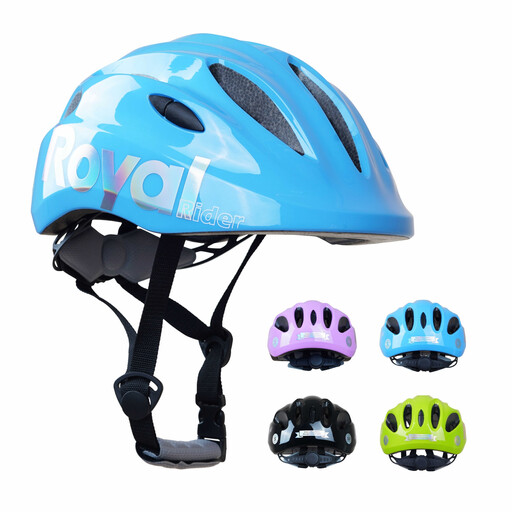
Why it suits this profile: According to the product description, this children’s bike helmet is suitable for children aged 5 to 13 and for cycling, scooting, skateboarding and BMX. The dial and adjustable strap make it practical for everyday use.
The product specifies a concrete size range of 52,05–55,88 cm and a weight of approximately 213 grams, rather than providing only an age label.
10 ventilation openings, removable washable padding and dual size adjustment.
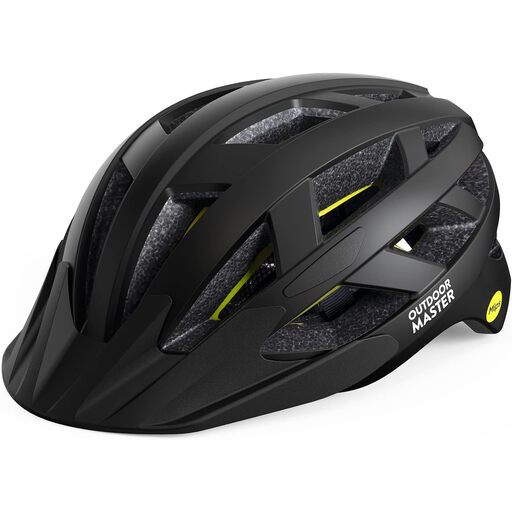
Why it suits this profile: This adult bike helmet is designed for recreational cycling, mountain biking, BMX and skating. According to the product description, the model features MIPS, 25 ventilation openings and two interchangeable liners.
The fit does not rely solely on one dial: the helmet also uses two liners with different thicknesses.
MIPS according to the product description, adjustable fit and removable visor.
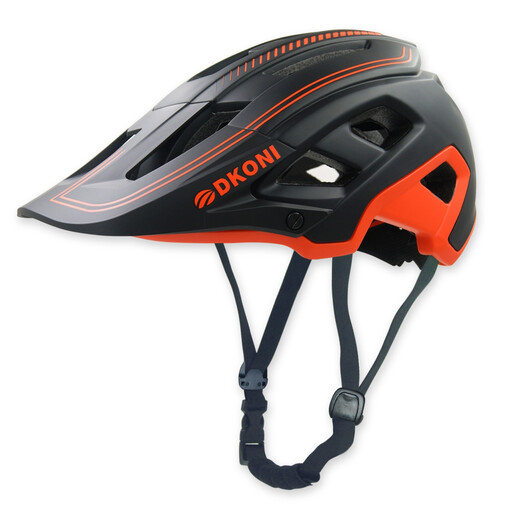
Why it suits this profile: This mountain bike helmet is intended for adults who want extra coverage and a visor when mountain biking. The model is available in M and L and uses a one-handed adjustment wheel.
The sizing is clearly specified: 54–58 cm for M and 56–61 cm for L. This makes comparison easier than choosing based solely on the letter size.
380 grams, 17 ventilation openings and a removable ABS visor.

Why it suits this profile: According to the product description, this full-face bike helmet is intended for downhill, BMX and intensive mountain biking. The chin guard, visor and goggle strap are designed for this specific type of use.
The construction is not presented as a universal city helmet, but as a model for sports where face and chin coverage may be desirable.
27 ventilation channels, EPP inner layer, removable padding and adjustable visor.
A bike helmet with visor can be useful in low sunshine, rain or when riding over loose dirt. Check whether the visor is removable and whether it restricts your vision. For commuters, a bike helmet with LED light can improve visibility. According to the product description, the RoyalBaby Moon has six red LEDs with three modes; the OutdoorMaster RhinoUrban uses a rechargeable rear light via USB-C.
A lightweight bike helmet is not automatically more comfortable. Also consider the shape, inner pads and weight distribution. For a road bike helmet or a long commute, ventilation and fit are often more important than an additional accessory.
We have put together a complete, up-to-date list of products that fully meet these strict selection criteria and the applicable European safety regulations.
The helmet should sit securely and horizontally without creating pressure points. You should usually be able to fit approximately one finger between your chin and the strap. Gaps between your head and the helmet, or a helmet that moves when you move your head, indicate an incorrect adjustment or size.
Replace a helmet after a fall or hard impact, even if there is no visible damage. Also regularly check the shell, foam, fastening and straps. Follow the manufacturer’s guidance on service life and replace the helmet sooner if there are cracks, deformation or loose components.
For ordinary bicycles, wearing a bike helmet is generally not compulsory in the Netherlands. Different rules apply to speed pedelecs. Always check the latest government information for your type of bicycle and route. A helmet must also fit properly and be fastened correctly to provide the intended protection.
