
Vandaag of morgen in huis

Kwaliteit gegarandeerd

Welkomstaanbiedingen ontgrendelen: GRATIS bezorging | Tot 80% korting | Gratis 30 dagen JoyPlus-proefperiode
Download de app
Buying a bike helmet seems simple until you have to choose between a city model, MIPS bike helmet, mountain bike helmet or children's bike helmet. Marketing often focuses on striking colours, plenty of ventilation holes or built-in lighting. However, it is mainly the fit, intended use and verifiable product specifications that determine whether a helmet is right for you.
Watch out for these common pitfalls:
Measure your head circumference with a flexible tape measure, approximately one to two centimetres above your eyebrows. Keep the tape measure horizontal and compare the result with the manufacturer's size range.
A good bike helmet:
For an adult bike helmet, size ranges such as 55–58 cm or 58–61 cm are common. Always check the product page, as a size M from one model may not fit identically to a size M from another model.
For children aged 5 to 13, measuring is particularly important. The RoyalBaby helmet in this selection is adjustable for a head circumference of 20–23 inches, approximately 50.8–58.4 cm. The age indication is a guideline; the measured head circumference determines whether the helmet actually fits.
Many bike helmets combine an outer layer of polycarbonate (PC) with an inner layer of EPS foam. With an in-mould construction, these components are bonded together during production. This tells you something about the construction, but no helmet protects against every possible accident.
For everyday use in the city or on your commute, an adjustable bike helmet, good ventilation and an LED light are practical features. According to the product description, the DKONI HS-086 has a PC outer shell, EPS foam, 15 ventilation holes and a removable USB-rechargeable rear light.
A MIPS bike helmet contains a system that, according to OutdoorMaster's product description, is designed to reduce harmful rotational forces on the head in certain impacts. Consider this as one product specification alongside fit, coverage and correct use; MIPS does not make a poorly fitting helmet suitable.
For mountain biking, a wide peak, additional rear coverage and a washable inner lining can be useful. According to the product description, a mountain bike helmet with visor mainly protects against sun, rain, mud and branches. The visor is not a substitute for goggles.
A bike helmet with LED lighting is useful for commuters who set off early or arrive home at dusk. Check:
A bike helmet with visor or magnetic glasses can be useful for protection against wind, rain and splashed dirt. Check whether the component is removable and securely attached.
A full-face bike helmet also covers the chin and face. This is more suitable for downhill riding, BMX or intensive mountain biking than for a relaxed city ride. For a child who alternates between using a balance bike, scooter and bicycle, a 2-in-1 model can be practical, provided the selected wearing mode is suitable for the activity.
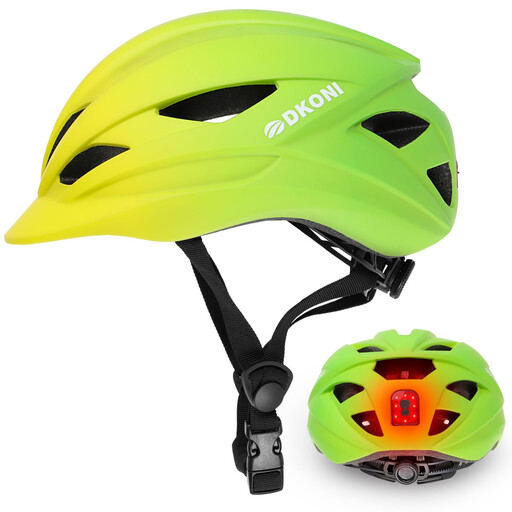
Why it suits this profile: A practical choice for city cyclists and commuters looking for lighting, ventilation and an adjustable fit in one model.
The size range is clearly stated: 58–61 cm. The rear light is removable and USB rechargeable, so you are not reliant on disposable batteries.
PC and EPS construction, 15 ventilation holes, two lighting modes and an estimated operating time of approximately 3–5 hours according to the product description.
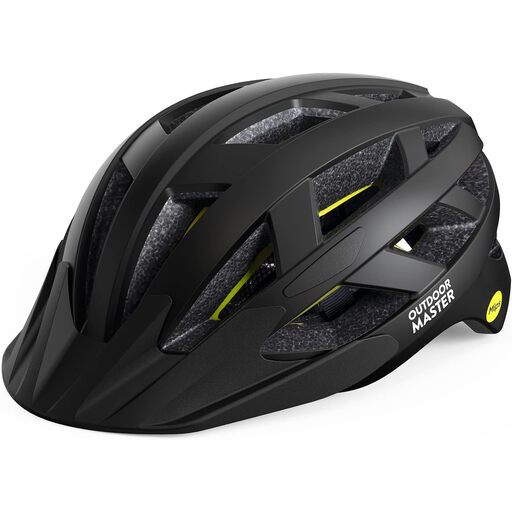
Why it suits this profile: Suitable for adults who want to use one helmet for recreational cycling, BMX, mountain biking and commuting.
The fit is not based solely on the outer size: the model comes with two removable liners and a dial adjustment system.
According to the product description, this MIPS bike helmet has 25 ventilation holes, a removable visor and a PC/EPS construction.
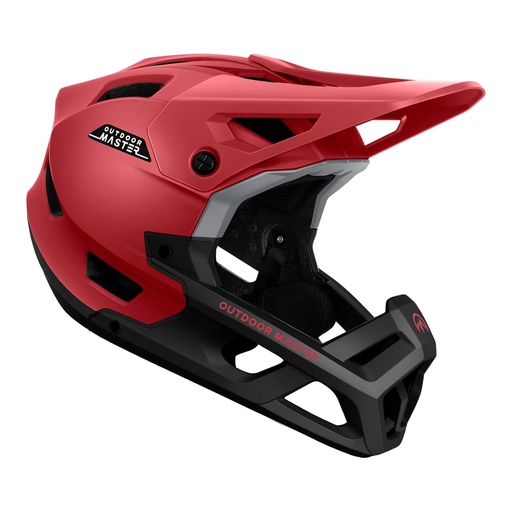
Why it suits this profile: Designed for downhill riding, BMX and intensive mountain biking where additional coverage around the chin and face is desirable.
Its intended use is clearly defined. This helps prevent you from using an ordinary city helmet for an activity where a full-face design makes more sense.
According to the product description, the model has 27 ventilation channels, an adjustable visor, a removable washable liner and weighs less than 750 grams.
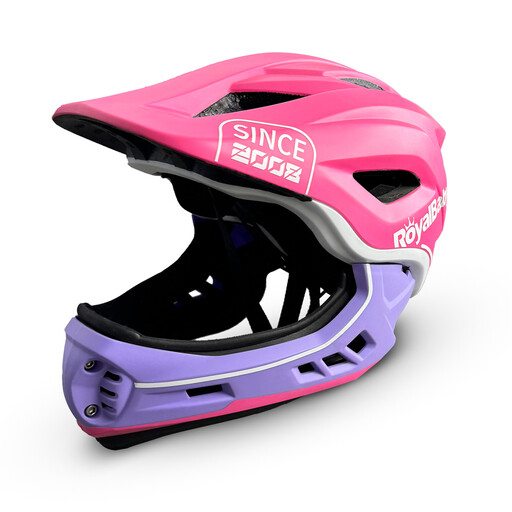
Why it suits this profile: A children's bike helmet for children aged 5–13 who alternate between cycling, scooting, BMX and other recreational activities.
The helmet is not based on age alone: the 20–23-inch adjustment range provides a specific starting point for measuring. The chin guard can be removed.
2-in-1 use as a full-face or half helmet, multiple ventilation holes, a removable washable liner and a light on the adjustment dial according to the product description.
We have put together a complete, up-to-date list of products that fully meet these strict selection criteria and the applicable European safety regulations.
Fasten the helmet according to the manufacturer's instructions and check the chin strap and adjustment system before every ride. Clean the outside with a soft, damp cloth. Washable liners should only be cleaned according to the product instructions and allowed to dry completely before being replaced.
Replace a bike helmet after a significant impact, even if no external damage is visible. Also check regularly for cracks, deformation, loose components and damaged straps. Do not store the helmet for long periods in direct sunlight, at high temperatures or next to solvents.
The helmet should remain stable when you move your head, but must not create pressure points. The chin strap should fasten beneath your chin with limited slack. If the helmet shifts forwards, backwards or sideways, the size or adjustment is not suitable.
Replace the helmet after a collision or serious fall. Visible damage, a worn adjustment system or damaged straps are also reasons to choose a new model. The lifespan depends on the materials, use, storage and maintenance, so follow the manufacturer's instructions.
No. The right choice depends on the size, fit and intended use. For a city cyclist, a USB-rechargeable bike helmet with a rear light may be more practical than a full-face model. A mountain biker may benefit more from a visor and additional coverage. So first compare the product specifications with your own route and activity.
