
Vandaag of morgen in huis

Kwaliteit gegarandeerd

Welkomstaanbiedingen ontgrendelen: GRATIS bezorging | Tot 80% korting | Gratis 30 dagen JoyPlus-proefperiode
Download de app
Buying a bike helmet seems straightforward until you have to choose between a road bike helmet, mountain bike helmet, children's bike helmet or MIPS bike helmet. Product photos often focus on ventilation, lighting or a striking design. However, it is primarily fit, intended use and verifiable product specifications that determine whether a helmet is suitable for your needs.
Also watch out for three common pitfalls:
Use a flexible tape measure around the widest part of your head, approximately one to two centimetres above your eyebrows. Keep the tape measure horizontal and note the measurement in centimetres.
An adult bike helmet should sit securely without creating pressure points. A children's bike helmet should not move loosely on the head, but it should not be so tight that the child takes it off either. Always check the specific size range in the product information. Age is only an indication.
For children aged 5 to 13, models with a dial and adjustable chin strap can be practical. For example, the RoyalBaby models in this selection are specified for head circumferences of 52.05 to 55.88 cm or 50.8 to 58.4 cm, depending on the model.
Many bike helmets combine a polycarbonate or PC outer shell with an EPS inner layer. PC is designed as a hard outer shell; EPS is a foam material that can absorb energy in a collision. Some mountain bike helmets use ABS on the outside and EPP on the inside.
An in-mould construction can join the shell and foam layer into a single unit. This alone does not mean that a model is suitable for every situation. Also check the weight, coverage at the sides and rear, and how the chin strap fastens.
For a standard bicycle, city bike or e-bike, a standard bike helmet intended for cycling is often the starting point. If you ride a speed pedelec, you should specifically check whether the helmet is suitable for the higher speed and whether the relevant standard, such as NTA 8776, is stated. A standard bike helmet is not automatically a speed pedelec helmet.
According to the product description, a MIPS bike helmet contains a layer designed to reduce the transfer of rotational forces during certain angled impacts. This is a product specification, not a guarantee against injury. The helmet must still fit correctly and be properly fastened.
Also look out for:
When buying in Europe, check the CE marking and whether the relevant bike helmet standard, usually EN 1078, is clearly stated. The available product information may vary from one model to another; do not fill in missing information yourself.
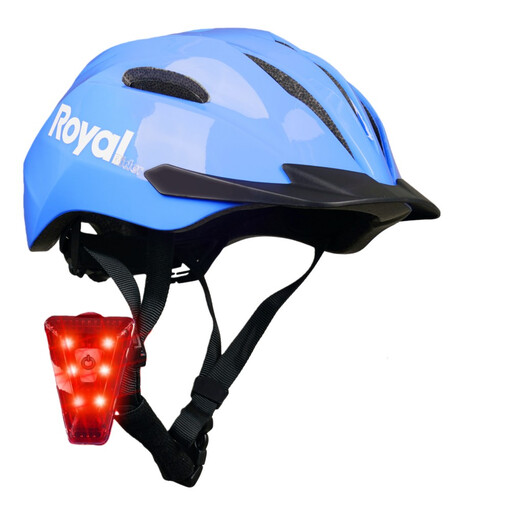
Why it suits this profile: A lightweight children's bike helmet with an adjustable fit and extra features for everyday cycling, scooting and roller skating.
The product description states that it has an adjustable fit, weighs 250 grams and includes removable, washable padding. This means you do not have to rely solely on age recommendations.
Six red LED lights with three modes, several ventilation openings and an integrated visor.
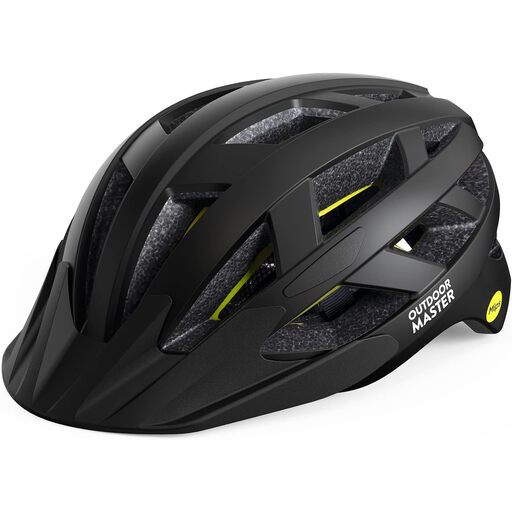
Why it suits this profile: Suitable for adults who combine commuting with recreational cycling, BMX, mountain biking or skating.
You still need to compare size M with your head circumference, but the dial and two sets of padding offer more ways to fine-tune the fit.
MIPS system according to the product description, 25 ventilation openings and a detachable visor.

Why it suits this profile: Designed for downhill, BMX and demanding mountain bike routes where additional coverage around the chin and face may be desirable.
This is not a general-purpose city helmet for every ride. The product description explicitly lists downhill, BMX and mountain biking as intended uses.
EPP inner layer, chin guard with shock-absorbing pads, 27 ventilation channels and an adjustable visor.
We have put together a complete, up-to-date list of products that fully meet these strict selection criteria and the applicable European safety regulations.
An adjustable bike helmet can accommodate growth within the stated range, but not indefinitely. With children, it is sensible to check the size regularly.
Its lifespan depends on use, storage and exposure to sunlight, heat and chemicals. Replace the helmet immediately after a hard impact or if there is visible damage. For everyday use, also check the straps, fastening and inner padding regularly. Some manufacturers also specify a lifespan of several years; follow the specific product information for guidance.
Not every cyclist has the same requirements. MIPS may be of interest if you want to pay extra attention to a helmet's construction. According to the product description, the system is designed for certain angled impacts. Fit, correct fastening and compliance with a suitable standard remain just as important.
Choose a children's bike helmet based on head circumference, not age alone. For children who cycle, scoot and skateboard, a lightweight model with an adjustable strap, ventilation and washable padding can be practical. For BMX or more demanding use, a model with a chin guard may be suitable, provided the child is comfortable wearing the helmet and the size is correct.
