
Vandaag of morgen in huis

Kwaliteit gegarandeerd

Welkomstaanbiedingen ontgrendelen: GRATIS bezorging | Tot 80% korting | Gratis 30 dagen JoyPlus-proefperiode
Download de app
Buying a bike helmet seems simple, until you have to choose between an adult bike helmet, a children’s helmet, a MIPS model, a helmet with an LED light or a design with a visor. Marketing often focuses on one standout feature, but getting the right fit and choosing a helmet suited to how you’ll use it are just as important.
The most common buying mistakes come down to three pitfalls:
So start with the activity, your head circumference and the relevant safety standard. Then consider comfort and extra features.
Use a flexible tape measure around your head, about one to two centimetres above your eyebrows. Keep the tape level and note the measurement in centimetres. Compare it with the product’s size chart; a size M isn’t the same for every brand.
An adjustable helmet often has a dial at the back and adjustable chin straps. It should:
There’s limited room for growth when choosing a children’s bike helmet. Don’t buy one that’s clearly too large in the hope your child will grow into it. Check the fit regularly, especially after a growth spurt or a change in hairstyle.
A bike helmet for city rides, a mountain bike helmet and a BMX helmet don’t always have the same construction or coverage. EN 1078 is a common standard for inline skating, skateboarding and cycling. For example, the ACTION PW-905 product information states that the model has been tested to EN1078 and is CE-certified.
A skateboard helmet or inline skating helmet may be suitable for several recreational activities, but always check the stated intended use. A ski helmet is designed for winter sports; the OutdoorMaster Diamond II lists ASTM F2040 and CE EN 1077. These are different standards from those for a bike helmet.
For a motorbike or scooter, you need a separate ECE 22.06 motorcycle helmet. The MY 935 and MY 936 are listed in the product information as ECE R 22.06 models. Don’t use a bike helmet on motorised vehicles.
Many models combine an outer shell made from polycarbonate (PC) or ABS with an inner layer of EPS foam. EPS is designed to absorb impact energy. A lightweight helmet can be comfortable for commuting, but weight alone doesn’t tell you whether it’s suitable for your activity.
Also look out for:
Replace a helmet after a serious impact, even if there’s no visible damage. Also check the shell, fastening, straps and lining regularly for signs of wear.
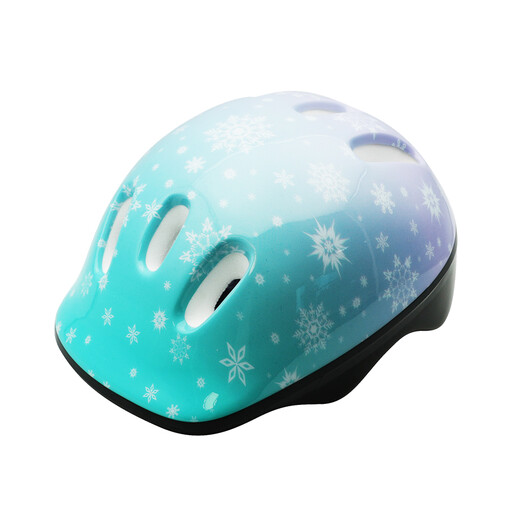
Why it suits this user: A practical choice for recreational cycling, skating and other wheeled sports, with an adjustment system to fit your head circumference.
The size is adjustable, so you don’t have to rely on the letter S, M or L alone. The product information states that it has been tested to EN1078 and is CE-certified.
Adjustable fit, EPS inner lining and strong webbing straps; available in several sizes.
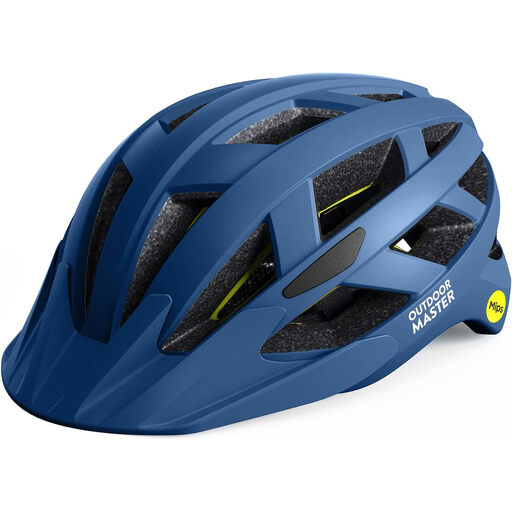
Why it suits this user: Designed for adult cyclists looking for an adjustable bike helmet for commuting, mountain biking, BMX or skating.
The product description identifies MIPS as a system designed to reduce certain rotational forces and mentions two interchangeable linings for a more precise fit.
25 vents, a removable visor, a PC outer shell and an EPS inner layer.
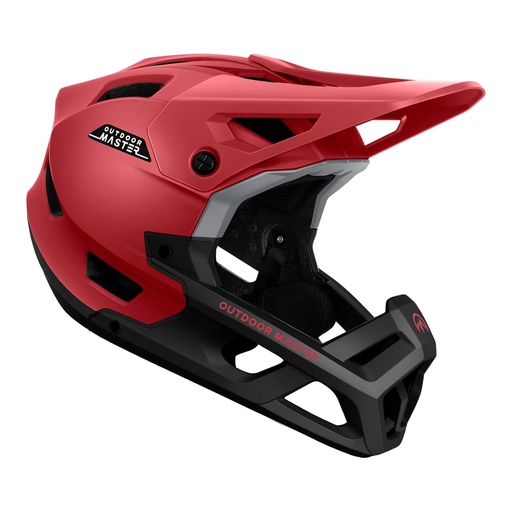
Why it suits this user: A full-face design for downhill mountain biking, BMX and more demanding rides where extra coverage is desirable.
The product information makes clear that this model is designed for mountain biking and BMX, not motor vehicles. Check beforehand that the size and construction suit your riding terrain.
EPP inner layer, chin guard, 27 ventilation channels, adjustable D-rings and a rotating visor.
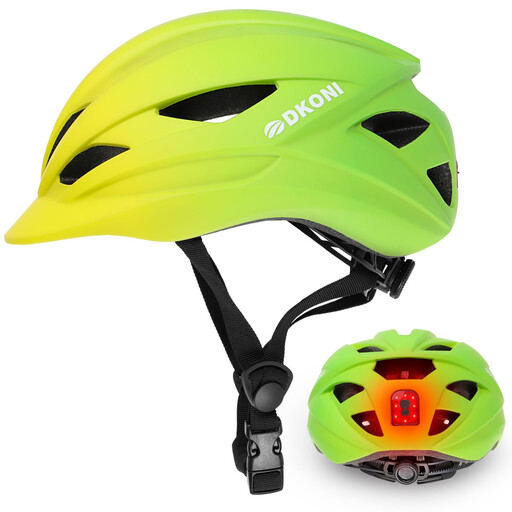
Why it suits this user: Suitable for adults and older teenagers who cycle to work or the station every day and want to be more visible.
The LED module is removable and USB-rechargeable. However, the helmet is an addition to bike lights and reflective clothing, not a replacement for them.
15 vents, an adjustable system and an LED light with two modes, according to the product information.
We’ve put together a complete, up-to-date list of products that meet these strict selection criteria and the applicable European safety requirements.
A bike helmet should fit snugly without creating pressure points. Adjust the rear dial first, then the chin straps. The helmet shouldn’t move when you gently turn your head from side to side. The chin strap should be fastened, but shouldn’t dig into your skin.
There’s no universal replacement date for every helmet. Replace yours immediately after a serious impact or if the shell, straps, fastening or lining is damaged. Materials can wear over time with normal use, so check the condition regularly and follow the manufacturer’s care instructions.
No. An LED light on your helmet can help you be seen, but also check that you have the legally required bike lights, reflectors and visible clothing. Charge a rechargeable light in good time and check that it’s securely attached before you set off.
