
Vandaag of morgen in huis

Kwaliteit gegarandeerd

Welkomstaanbiedingen ontgrendelen: GRATIS bezorging | Tot 80% korting | Gratis 30 dagen JoyPlus-proefperiode
Download de app
A bike helmet isn't an accessory; it's an essential piece of your gear. Whether you're a daily commuter, a weekend trail rider, or exploring the city on your e-bike. But the market is flooded with models making all sorts of promises. How do you separate useful specifications from clever marketing? Many people fall into the same traps, ending up with a helmet that's uncomfortable or fails to provide the right protection.
Before you make a decision, watch out for these common pitfalls:
To avoid buyer's remorse, it's best to focus on a few objective criteria. These specifications determine safety and comfort, regardless of the brand or price.
This is the most critical factor. A bike helmet sold in the EU must comply with the EN 1078 standard. This certification guarantees the helmet has been tested for crucial safety aspects, such as:
Always check for this standard on the helmet itself or in the product description. Without this certification, you're buying an unverified product.
A helmet only works if it fits properly. To find the right size, measure your head's circumference, about 2 cm above your eyebrows. Most helmets use a size range (e.g., 54-58 cm).
A good adjustment system is essential. Look for a helmet with a dial at the back. This allows you to precisely tighten the inner ring for a snug yet comfortable fit. The helmet shouldn't wobble when you shake your head, nor should it create any pressure points.
The type of helmet depends on your activity. An MTB helmet often has a larger visor and more coverage at the back of the head for extra protection on rough terrain. An adult skate helmet typically has a harder ABS outer shell that is more resistant to multiple small impacts. For daily city use, a model with good visibility, such as a bike helmet with a light, is a smart choice.
The number and placement of the vents determine how cool your head stays. A few vents are sufficient for short city rides, but for longer, more athletic tours, 15 or more vents are recommended for optimal comfort.
Based on these functional criteria, we have selected a few products that suit different user profiles.
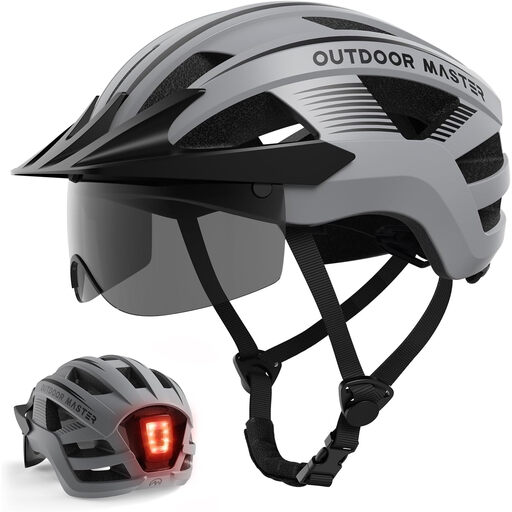
Why it fits their profile: Ideal for those who navigate traffic daily. The combination of visibility, protection from the elements, and comfort makes this helmet suitable for the commute to work, regardless of the weather or time of day.
This helmet focuses on functional extras rather than superfluous racing features. The rechargeable rear light and magnetic goggles are immediately useful for the urban cyclist.
Built-in rechargeable rear light for better visibility. A detachable magnetic goggle protects against wind, rain, and UV radiation.
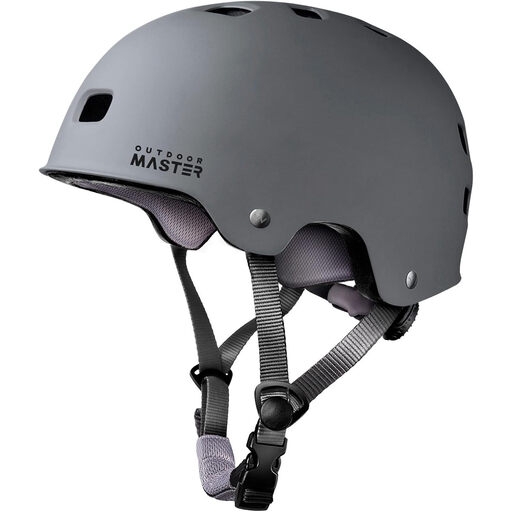
Why it fits their profile: Perfect for those who switch between cycling, skating, and BMX. Its robust construction is designed for the diverse impacts associated with these different sports.
This isn't a standard bike helmet. The reinforced ABS shell and thicker EPS foam provide the durability needed for a skate helmet without sacrificing comfort for cycling.
Durable ABS outer shell and shock-absorbing EPS core. Comes with two removable liners for a customisable fit and easy washing.
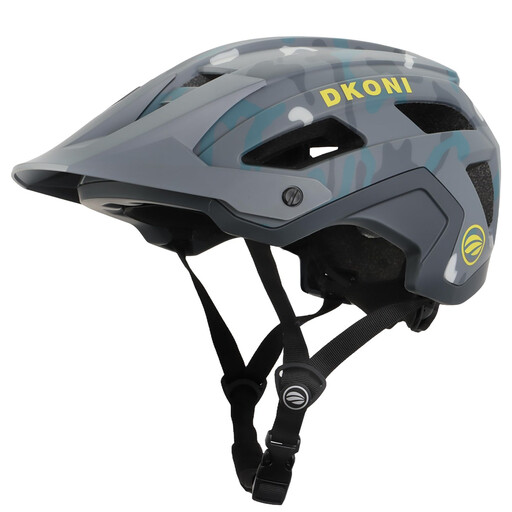
Why it fits their profile: Designed for the challenges of off-road trails. The extended rear coverage and large visor provide the protection needed for mountain biking.
This MTB helmet avoids the pitfall of poor ventilation. With 17 aerodynamic vents, it provides the cooling that is essential during intense climbs and descents.
Dual safety certification (US and EU standards). The large, detachable visor effectively protects against sun, rain, and branches.
A good helmet is the foundation of your safety, but comfort during sports is just as important. For example, consider breathable men's sports underwear for long bike rides. And for those who trade bike paths for the water in the summer, a reliable adult snorkel set is indispensable.
We have compiled a complete, up-to-date list of products that meet these strict selection criteria and local safety regulations.
Measure the circumference of your head at its widest point, about 2 centimetres above your eyebrows and ears. Use a flexible measuring tape. Compare this measurement with the size chart of the helmet you are considering. A well-fitting helmet should be snug but comfortable, without being too tight.
Replace your helmet immediately after a hard fall or impact, even if there is no visible damage. The internal EPS foam structure may have compressed and will no longer offer optimal protection. Manufacturers also generally recommend replacing a helmet every 3 to 5 years, as materials like plastic and foam can degrade over time due to UV light and sweat.
Not necessarily. Any helmet sold in the EU with an EN 1078 certificate meets the same minimum safety standards. A higher price is often due to extras like a lighter weight, better ventilation, a more aerodynamic design, or advanced technologies such as MIPS (Multi-directional Impact Protection System). For most cyclists, a well-fitting, certified helmet in a lower or mid-price range already provides excellent protection.
