
Households looking to use up their supplies
For families who eat cereal regularly and want to choose a larger pack to suit the number of portions they need and how quickly they get through it.


A large pack of cereal is a good fit for a large household if your family will use it all and the preparation suits your morning routine. Compare the nutritional information of similar products per 100 g: porridge oats and cereal breakfasts need to be prepared, while crunchy muesli and chocolate cereal offer a different taste and way to eat. If you have allergies, always check the label on the exact pack.
For families who eat cereal regularly and want to choose a larger pack to suit the number of portions they need and how quickly they get through it.
For households that focus on sugar and fibre per 100 g, rather than just the wording on the front of the pack. The Netherlands Nutrition Centre recommends comparing cereal on this basis.
For families where not everyone wants the same cereal and the ingredients and allergens in each chosen variety need to be checked.
First, decide whether your family will use up the pack. Then compare similar cereals per 100 g and check that the preparation and ingredients suit everyone who will be eating them.
| What to consider | What to look for | Who it matters to |
|---|---|---|
| Stock and rate of use | Check the net weight, number of portions and storage instructions after opening. | If several bowls are eaten every day, I want to know whether the family will finish a large pack without the taste or texture becoming less enjoyable. Around 42% of consumers put this use of stock first. |
| Nutritional value | Compare sugar and fibre per 100 g in products with a similar purpose, and read the ingredients list too. | When cereal is often on the table, I want to be able to compare the ingredients of the varieties I choose. For around 33% of consumers, nutritional value is the deciding factor. |
| Taste, preparation and allergens | Check whether preparation is needed and read the ingredients and allergen information on the exact pack. | A pack is of little use to us if family members don’t want to eat it or it doesn’t fit into the morning routine. If anyone has an allergy, the chosen variety also needs to be suitable. Around 25% of consumers prioritise this practical suitability. |
Having more packs at home is only practical if your household will use them while the taste and texture are still to your liking.
Before stocking up, check the amount in each pack, how quickly you expect to use it and the storage instructions.
Unused stock takes up space and may become less appealing to eat over time.
Consumentenbond points out that a product carrying a fibre claim may also contain a lot of sugar. The stated serving size doesn’t always make products easy to compare either.
Compare the nutritional information per 100 g and check the ingredients of the exact variety too.
Oat products may state that they contain other cereals with gluten, while wholegrain cereal breakfasts may also contain wheat. So if you have an allergy or need a gluten-free option, the product name alone isn’t enough.
With every purchase, check the ingredients, highlighted allergens and any warnings about possible cross-contamination on the exact pack.
The Netherlands Nutrition Centre notes that some crunchy cereals have sugar, honey or chocolate added. Their nutritional make-up may therefore differ from that of plain porridge oats.
First choose the type of breakfast your family wants, then compare varieties within that product type per 100 g.
The range reviewed includes 600 g of porridge oats and a Cruesli Granola Original 3-pack containing three 450 g packs, according to Albert Heijn product information.
The products reviewed are a 500 g wholegrain cereal breakfast and 450 g of porridge oats, for households looking for a base to make porridge, according to Albert Heijn.
The AH Wholegrain Cereal Breakfast reviewed is a 500 g own-brand pack.
The 375 g Kellogg's Extra Original reviewed is a crunchy muesli variety, according to Albert Heijn product information.
The 330 g KitKat Cereals reviewed is a chocolate-flavoured cereal, according to Albert Heijn product information.
These products offer two types of larger packs: multipacks of crunchy cereal and larger individual packs for hot porridge. Choose the type your household will actually use and check the current packaging for each product.
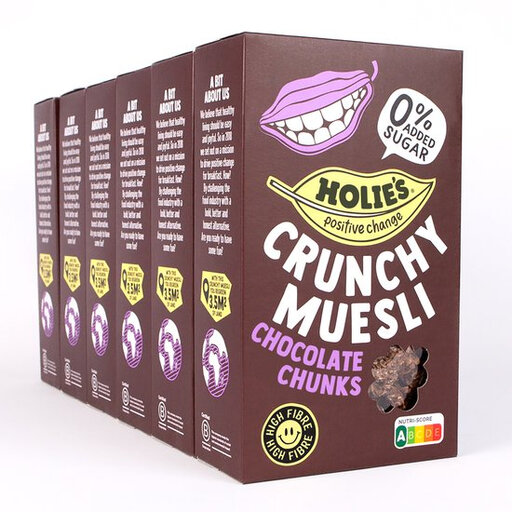 Image unavailable
This multipack suits a household that regularly eats crunchy muesli with chocolate chunks. Before buying, check the ingredients, allergens and storage instructions on the exact pack.
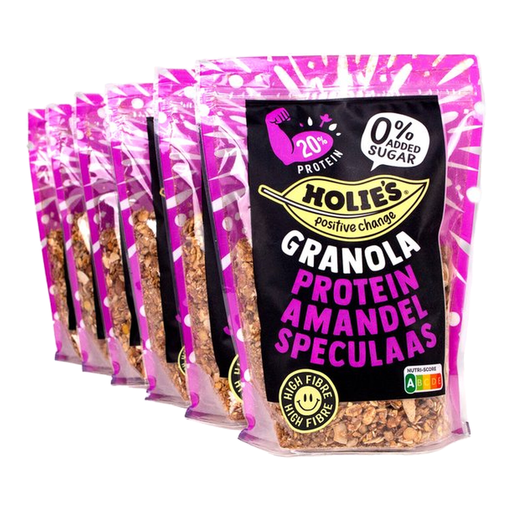 Image unavailable
This granola is an option if your family likes the almond-speculaas flavour and can use six packs. Compare the nutritional values using the current label for the exact variety, and check the allergens.
 Image unavailable
This pack of porridge oats suits a household that regularly makes hot porridge. Bear the preparation in mind and check the ingredients and allergens on the exact pack.
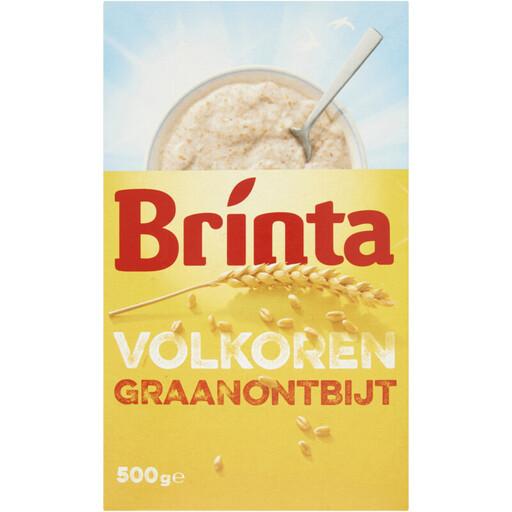 Image unavailable
This wholegrain cereal breakfast suits a household looking to prepare a porridge base. The product name indicates that it contains wheat; if anyone needs to avoid wheat or gluten, check the ingredients and allergens on the exact pack.
First compare products that are eaten in the same way, and check the nutritional values per 100 g. Then look at the pack size and number of portions, and consider whether your family will use it all. A large pack isn’t, in itself, a reason to choose a product.
No, a fibre claim doesn’t tell you everything about what’s in a product. Consumentenbond points out that a product with this kind of claim may also contain a lot of sugar. So compare sugar and other nutritional values, as well as the ingredients, per 100 g.
No. Wholegrain cereal breakfasts may contain wheat, and the label on porridge oats may state that they could contain other cereals with gluten. If you need a gluten-free option, check the gluten-free labelling and allergen information on the exact pack.
Check the highlighted allergens in the ingredients list and any warnings about possible cross-contamination on the pack you choose. Cereals containing gluten, milk and nuts are worth looking out for in the varieties reviewed, but ingredients vary by product.
Follow the storage instructions on the pack and seal it well after opening. The porridge oats and cereal breakfast products reviewed recommend storing them in a cool, dry place. Check the instructions for the variety you buy.