
Vandaag of morgen in huis

Kwaliteit gegarandeerd

Welkomstaanbiedingen ontgrendelen: GRATIS bezorging | Tot 80% korting | Gratis 30 dagen JoyPlus-proefperiode
Download de app
Buying beer online is convenient when you want to compare different flavours, pack sizes and countries of origin. However, an appealing product page can still lead to a disappointing purchase. A large box might look like good value, for example, but it may not be the right choice if you want to try a variety of beers. Terms such as “premium”, “authentic” or “craft” also tell you little by themselves about alcohol content, volume or ingredients.
This guide will help you order beer for home, a barbecue, dinner or a party. The selection below is based on verifiable information such as volume, alcohol content, packaging, ingredients and origin. Alcoholic drinks are intended only for people aged 18 and over.
A crate or box may seem like good value, but always compare the price per litre. A pack of 24 330 ml cans contains 7.92 litres. A box of 24 500 ml cans contains 12 litres. So the number of items doesn’t tell you the whole story.
Also consider the type of packaging:
Words such as “refreshing”, “full-bodied” or “premium” describe an expected experience, but they aren’t measurable quality standards. So check the alcohol content, beer style, volume and ingredients.
It’s worth checking that information on international products has been translated in full. Look out in particular for barley malt, wheat, gluten and sulphites. Product information may change between packs, so always check the label when your order arrives.
A light pilsner at around 4.5 to 5.1% alcohol drinks differently from an abbey beer at 6.5 to 8.5%. If you’re serving several types of beer at a party, a mix of lighter and stronger options may be more practical than choosing only strong speciality beers.
Follow the recommended serving temperature where one is provided. Cass Fresh is recommended chilled according to the product information. Leffe Blonde is listed at around 5 °C, while Hertog Jan Karakter is best served between 6 and 8 °C according to its product description.
Use the beer style as your first filter:
The term “speciality beer” covers a wide range. Always compare specific details rather than relying on the name on the label alone.
Packs of 24 are practical for a group, but cans and bottles don’t all hold the same amount. Here are a few examples:
If you’re ordering for a party, work out in advance how many litres you’ll need. To create a mixed selection, you could pair a large box of lager with one or two smaller multipacks of speciality beer.
Many beers contain barley malt and therefore gluten. Some products also contain wheat, oats, maize, rice, sugar or sulphites. Check the allergen information if anyone in your group needs to avoid certain ingredients.
Store beer in a cool place, away from direct sunlight. Avoid significant temperature changes and check the seal and packaging on delivery. Best-before information is printed on the product itself. If you’re unsure about damage or missing information, it’s best not to use the product.
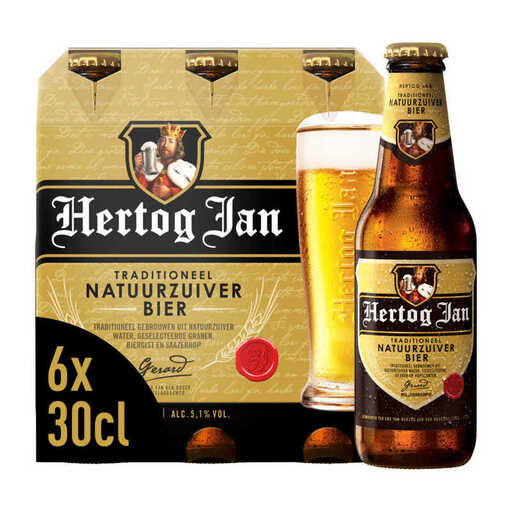
Why it suits this buyer: The six-bottle multipack is a manageable option if you want to try pilsner without buying a large stock straight away. It has an alcohol content of 5.1%.
The pack size and volume are clearly specified: 6 x 300 ml. This makes it easy to compare with a crate or large box.
Dutch pilsner; 6 bottles of 300 ml; ingredients and allergens listed.
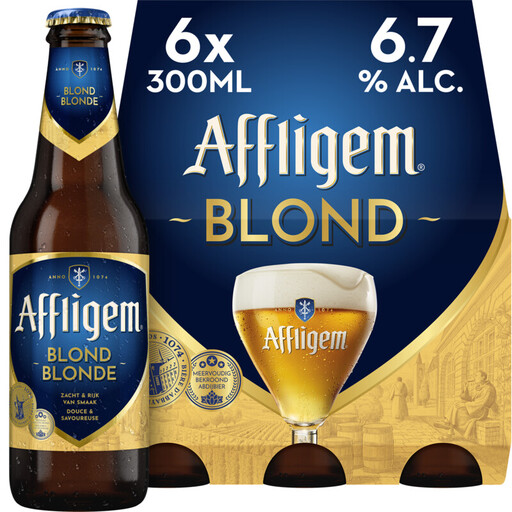
Why it suits this buyer: This Belgian blonde abbey beer comes in a pack of six 300 ml bottles and has an alcohol content of 6.6%. The product information describes a firm head, fruity notes and mild bitterness.
This isn’t an unclear mixed pack: the style, origin, volume and alcohol content are all specified.
Belgian beer; 6 x 300 ml; fruity and lightly bitter according to the product description.
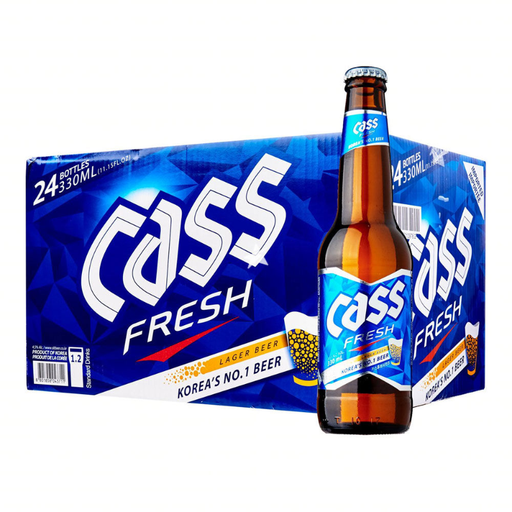
Why it suits this buyer: The box of 24 330 ml cans is practical for parties, barbecues or stocking up. This Korean lager has an alcohol content of 4.5%.
The pack size is clear from the outset, so you won’t be judging it by the number of cans alone. The product information also lists barley as an allergen.
24 individual cans; Korean lager; easy to chill and share.
We’ve put together a full, up-to-date list of products that meet these strict selection criteria and the applicable European safety regulations.
If you’re looking to buy speciality beer, you could consider Belgian abbey beers such as Leffe Brown, Leffe Blonde, Leffe Tripel, Affligem Blonde or La Trappe Isid’or. Pay particular attention to the alcohol content: Leffe Brown contains 6.5%, Leffe Tripel 8.5% and Delirium Tremens 8.5%.
There are a variety of styles and pack sizes to choose from when it comes to international beer:
A beer deal is only worthwhile if the volume, price per litre and best-before date suit your needs. Also check that delivery details, age verification and any terms and conditions are clearly stated. Don’t drink if you still need to drive, and keep alcohol out of reach of minors.
It depends on the product, pack size and delivery costs. Compare the total price and work out the cost per litre. A large box may work out cheaper per litre, but only if you’ll use the whole amount.
The relevant date is shown on the packaging. Store beer in a cool, dry place away from direct sunlight. Avoid major temperature changes and check on arrival that the can or bottle and its seal are undamaged.
330 ml cans or bottles are practical for chilling and handing out at parties. A lager or pilsner is often an easy-drinking choice to start with. You could also add a smaller pack of blonde beer, abbey beer or international beer for guests who’d like to try something different.
