
Vandaag of morgen in huis

Kwaliteit gegarandeerd

Welkomstaanbiedingen ontgrendelen: GRATIS bezorging | Tot 80% korting | Gratis 30 dagen JoyPlus-proefperiode
Download de app
A bicycle helmet with LED light can improve visibility during the commute, evening rides or cycling trips at dusk. However, a built-in rear light is not the only indicator of a helmet’s quality. The wrong size, poor ventilation or a difficult charging system can leave your helmet unused in the cupboard after just a few rides.
The Joybuy Product Recommendation Officer selects products based on verifiable specifications. So don’t just look at the appearance or the number of light modes. Pay particular attention to the fit, construction and ease of use.
An LED rear light makes a cyclist easier to recognise from behind, but it does not replace proper bicycle lights, reflective details or safe riding. Also check that the light remains sufficiently visible when you are wearing a coat, rain cover or rucksack.
When choosing a bicycle helmet with rear light, look at:
A helmet that wobbles or presses against your forehead is less comfortable and may move out of position during a fall. Measure your head circumference with a tape measure just above your eyebrows and compare it with the stated size range.
An adjustable bicycle helmet with a dial and adjustable chin strap makes it easier to fine-tune the fit. The helmet should sit securely without uncomfortable pressure points. The chin strap should be fastened, but must not feel tight.
A bicycle helmet with visor, glasses or magnetic goggles can be useful in windy, rainy or bright conditions. However, check that the visor is securely attached and that the accessories are easy to remove. A heavy or poorly balanced accessory can reduce wearing comfort.
Many models combine a hard PC or ABS outer shell with an EPS inner layer. The outer shell helps hold the structure together, while EPS foam is designed to absorb impact energy. With in-mould production, these layers are formed as a single unit according to the product description.
Also check the stated safety standards. According to the product information, the OutdoorMaster RhinoUrban is described as CPSC- and ASTM-certified. These are US standards. For use in the Netherlands, always check the latest product information, markings and any documentation regarding applicable European requirements, such as EN 1078, where this is stated for the product. You should not automatically regard a brand’s certification claim as proof of suitability for every European application.
A bicycle helmet for adults is often available in ranges such as 54–58 cm, 55–58 cm or 58–61 cm. Smaller ranges are available for children aged 5 to 13, but age alone does not determine the correct size.
When trying on the helmet, check that:
A lightweight bicycle helmet with several ventilation openings is particularly comfortable during longer rides or in warm weather. According to the product description, the RhinoUrban has 17 ventilation openings. The DKONI HS-086 has 15. Weight is especially important for children’s helmets: according to the specifications, the RoyalBaby Moon weighs 250 grams and has a removable, washable inner lining.
With a bicycle helmet with USB-rechargeable light, check the connection and stated run time. The DKONI HS-086 uses a removable USB-rechargeable rear light with two modes and a stated run time of approximately 3 to 5 hours. The RhinoUrban uses a Type-C connection with several light modes. Charge the light before setting off and store the helmet somewhere dry, away from direct sunlight and out of reach of harsh cleaning products.
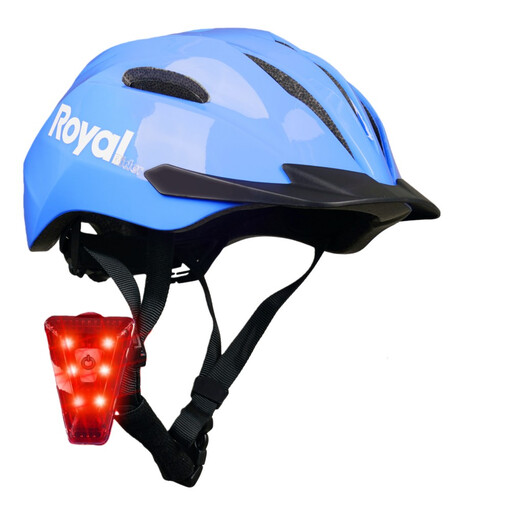
Why it suits this profile: A children’s bicycle helmet for children aged approximately 5 to 13 who cycle, scoot, skateboard or rollerblade. The integrated lighting is ready to use without a separate rear light.
The adjustable fit, chin strap and washable inner lining help prevent the helmet from being too loose or quickly becoming stale.
250 grams, three LED modes, integrated visor and several ventilation openings.
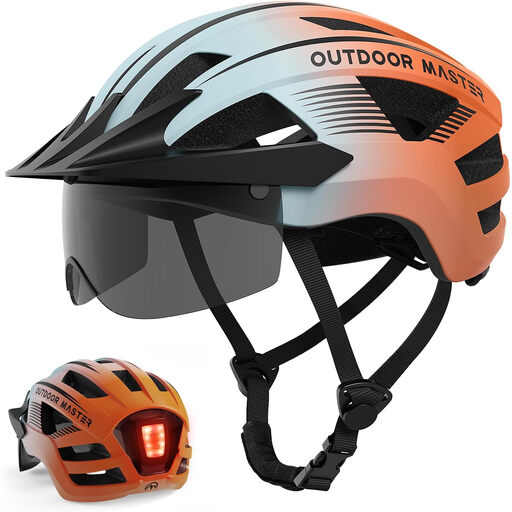
Why it suits this profile: For adults who want to combine a bicycle helmet with glasses, visor and lighting for urban rides, mountain biking, road cycling or e-bike use.
According to the product description, the goggles and sun visor are removable. This allows you to adapt the helmet to the weather and ride instead of having to use fixed accessories.
PC shell with EPS lining, 17 ventilation openings, adjustment dial and Type-C-rechargeable rear light.
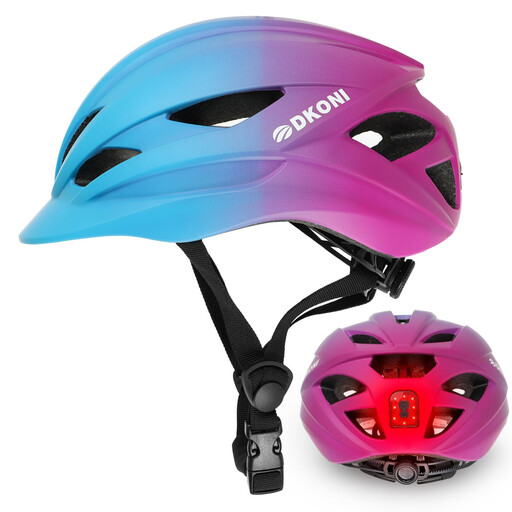
Why it suits this profile: Suitable for adults and teenagers from the stated age who regularly cycle in the city or to work and want a removable light.
The light can be removed for USB charging. This keeps the connection more accessible, so you do not have to place the entire helmet next to a charging point.
15 ventilation openings, in-mould PC/EPS construction, two light modes and sizes for 55–58 cm and 58–61 cm.
We have put together a complete, up-to-date list of products that fully meet these strict selection criteria and the applicable European safety regulations.
A bicycle helmet should be checked before every ride. Make sure the shell has no cracks, the straps are not fraying and the fastening works properly. Hand-wash a removable lining and clean the shell with a soft, damp cloth.
Replace the helmet after a hard fall or collision, even if there is no visible damage. Do not modify the helmet or remove any protective components. A cycling helmet is also not automatically suitable for every scooter or speed pedelec. Check local regulations and the specific instructions for the model.
It can be suitable for a standard e-bike when the product description states that it is intended for e-bike use. According to the product specifications, the OutdoorMaster RhinoUrban is listed for e-bike use, among other applications. Different legal requirements may apply to a speed pedelec, so check these separately.
This varies by model and light mode. The DKONI HS-086 is stated to last approximately 3 to 5 hours. A flashing mode may produce different results from continuous light. Charge the light before an evening ride and regularly check that the USB or Type-C connection is clean and dry.
Replace a helmet immediately after a significant impact. Even without visible damage, the EPS inner layer may have been compromised. In the case of normal wear and tear, check the fastening, straps, lining and adjustment system. Also follow the manufacturer’s maintenance and replacement information.
