
Vandaag of morgen in huis

Kwaliteit gegarandeerd

Welkomstaanbiedingen ontgrendelen: GRATIS bezorging | Tot 80% korting | Gratis 30 dagen JoyPlus-proefperiode
Download de app
A bicycle helmet with LED light may seem straightforward to choose at first glance. However, models vary considerably in fit, ventilation, battery life and visibility. As a result, a cheap helmet may be less comfortable than expected, while a more expensive model is not automatically better suited to the way you use it.
For Dutch city cyclists, e-bike users and commuters, these three pitfalls are particularly important:
Measure your head circumference with a soft tape measure, approximately two centimetres above your eyebrows. Keep the tape horizontal. Then check the helmet’s size range:
The helmet should sit securely without feeling tight. The front should partially cover your forehead, while the chin strap should sit just below your jaw. A loose strap or a helmet that slides backwards indicates incorrect adjustment or sizing.
Many adult bicycle helmets use an outer layer made from polycarbonate (PC) and an inner layer of EPS foam. In an in-mould construction, these components are combined during manufacturing. According to the product information provided by the relevant brands, this construction is intended to keep the helmet lightweight and absorb impact energy in certain situations.
This is not a guarantee against injury. No helmet can protect you in every accident. You should therefore also check whether the product page clearly provides information about the manufacturer, the EU responsible person, intended use and safety warnings.
A MIPS system is an additional construction which, according to OutdoorMaster’s product information, is designed to help reduce harmful rotational forces in certain oblique impacts. Treat this as a product specification, not a promise about the outcome of an accident.
A USB-rechargeable bicycle helmet is convenient if you do not want to use loose batteries. Check the following:
A bicycle helmet with rear light makes the cyclist more visible from behind at dusk or in low light. You should also use standard bicycle lighting in accordance with the Highway Code. Ventilation openings are important for comfort on longer rides. Fifteen openings may be sufficient for city cycling, while more intensive cyclists may appreciate additional air channels.
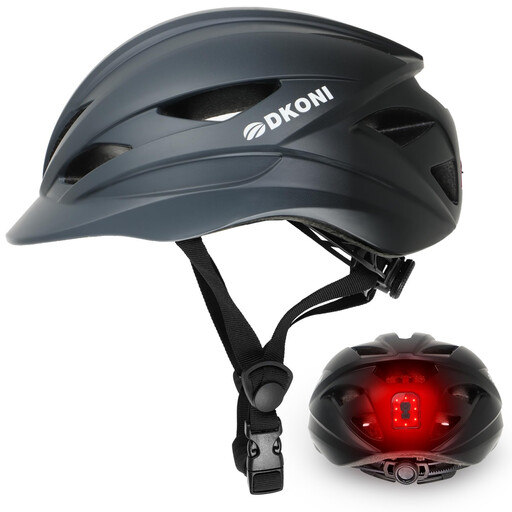
Why it suits this profile: This adult bicycle helmet offers a straightforward combination of fit, ventilation and visibility for everyday city cycling. Size M is intended for a head circumference of 55-58 cm.
The product information specifies 15 ventilation openings and a removable USB-rechargeable LED rear light with two light modes. This makes the key everyday specifications clear.
PC outer shell with EPS inner layer, adjustable fit and a stated LED operating time of approximately 3-5 hours.
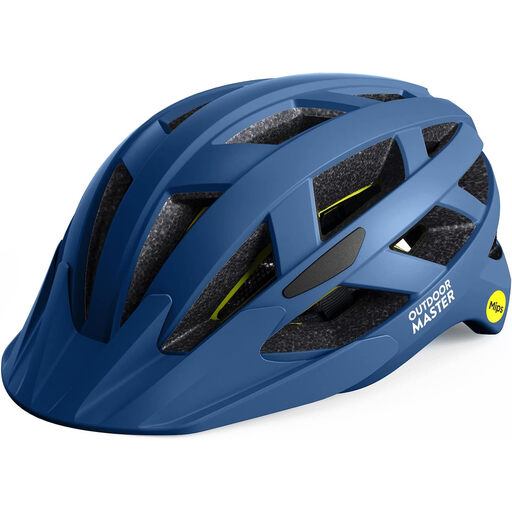
Why it suits this profile: Suitable for adults who value ventilation and an additional safety system in the construction, alongside an adjustable fit.
Size L is specified for adults and the dial system allows fine adjustment. The product information also lists 25 ventilation openings rather than simply using the general term “breathable”.
MIPS system according to the product information, 25 ventilation openings, removable visor and two removable liners.
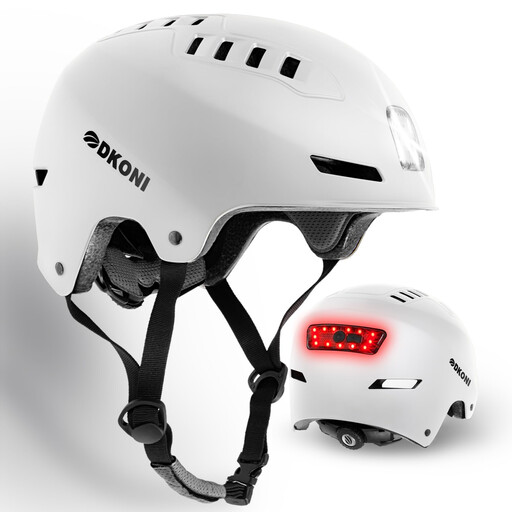
Why it suits this profile: A practical choice for anyone who wants extra visibility at the front and rear during their commute and often cycles in changing light conditions.
The product description specifies separate white LEDs at the front and red LEDs at the rear. However, make sure that size S matches your head circumference.
20 ventilation openings, USB-rechargeable front and rear lighting, adjustment dial and removable, washable inner lining.
We have put together a complete, up-to-date list of products that fully meet these strict selection criteria and the applicable European safety regulations.
With models featuring a removable rear light, take the light out of the helmet and connect it via USB. Ideally, charge the light before setting off and check that the connection is dry and clean. The stated operating time is a guideline; the light mode and temperature can affect how long it lasts.
Replace a helmet after a collision or hard fall, even if there is no visible damage. The inner layer may be damaged without this being immediately apparent. You should also regularly check the shell, straps, buckle, lining and LED module. If you notice wear, cracks or a poor fit system, replacing the helmet is advisable.
No. An LED rear light on a helmet is intended to support your visibility. It does not automatically replace the bicycle lighting required on your bike. In low light, use suitable front and rear lights, pay attention to reflectors and make sure the helmet is securely and correctly fastened.
