
Vandaag of morgen in huis

Kwaliteit gegarandeerd

Welkomstaanbiedingen ontgrendelen: GRATIS bezorging | Tot 80% korting | Gratis 30 dagen JoyPlus-proefperiode
Download de app
Choosing a new bicycle helmet can feel unnecessarily complicated. The market is flooded with models touting all sorts of technologies and features. But which specifications are genuinely important for your safety and comfort, and which are mostly marketing? As a Joybuy Product Recommendation Officer, I'm here to help you cut through the noise and make an informed choice.
Before you add a helmet to your cart, it's wise to be aware of a few common pitfalls:
To avoid a bad purchase, it's best to focus on a few objective criteria. These specifications determine a helmet's safety, comfort, and usability.
In Europe, a bicycle helmet must comply with the EN 1078 standard. This is the baseline requirement that guarantees the helmet has been tested for shock absorption and construction. Many helmets, such as the models from OutdoorMaster, also carry American certifications like CPSC and ASTM, indicating comprehensive safety testing.
A much-discussed extra is the MIPS system. A MIPS helmet has an internal, low-friction layer that can move slightly with your head. According to the developers of MIPS, this system is designed to reduce the rotational forces that can act on the brain during an angled impact. This is worth considering for those seeking extra peace of mind, for example, on a faster e-bike or while mountain biking.
A helmet only works if it's worn. Therefore, comfort is not a luxury, but a necessity. The right fit starts with measuring your head circumference (just above the eyebrows). Most helmets are available in sizes (S, M, L) that correspond to a specific circumference in centimetres.
Look for a helmet with an adjustable dial system at the back and adjustable chin straps. These allow you to fine-tune the fit. Ventilation is also crucial, especially in the summer. The number and placement of the vents determine how cool your head stays while cycling.
Modern helmets often offer smart extras that enhance functionality. A helmet with a light, usually a rechargeable LED at the back, significantly increases your visibility in the dark. This is a highly practical feature for commuters and evening riders.
A helmet with a visor offers protection from the sun, wind, and rain. Some models have a detachable sun peak, while others are equipped with a magnetic, removable visor that also functions as sunglasses. This is ideal for glasses wearers and for anyone seeking comfort in changing weather conditions.
To help you translate specifications into a concrete choice, we've matched a few products to typical user profiles.
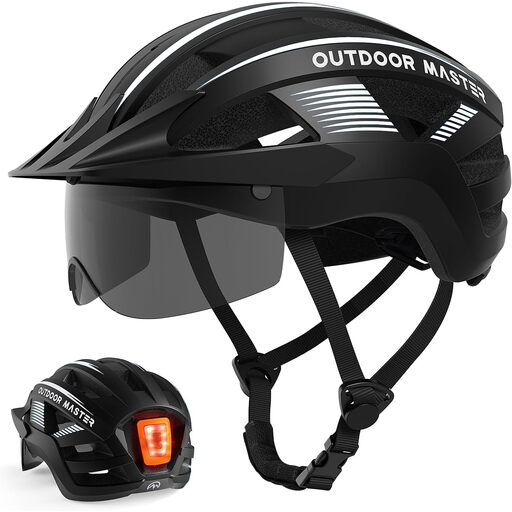
Why it's a match: This helmet is designed for the urban cyclist and e-bike user. The combination of a rechargeable rear light and a magnetic visor offers a complete solution for visibility and comfort during the daily commute.
You're not paying for aerodynamics you don't need, but for features that directly contribute to your safety and convenience in traffic.
Integrated, rechargeable rear light and a detachable magnetic visor for protection against wind and sun. CPSC and ASTM certified.
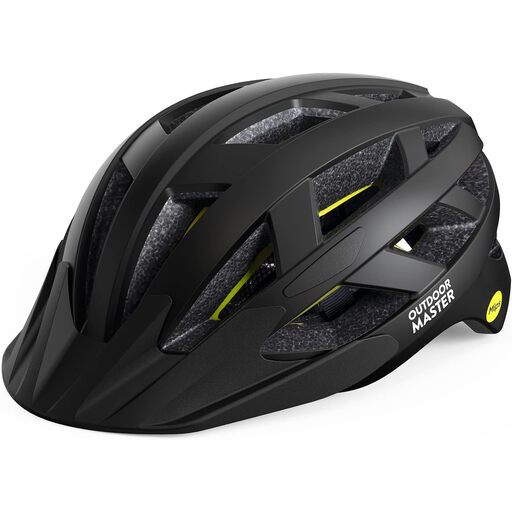
Why it's a match: For the cyclist who puts safety first. This helmet is suitable for both road and mountain biking and combines a lightweight design with the added protective layer of MIPS technology.
It addresses the confusion around safety technology by offering a recognised system (MIPS) that provides clear, functional added value.
Equipped with the MIPS system, designed to reduce rotational forces. The 25 ventilation openings ensure excellent airflow.

Why it's a match: This robust helmet is ideal for those who enjoy skating or rollerblading in addition to cycling. The classic skate helmet design with a strong ABS outer shell is built to withstand the different types of impacts from these sports.
Avoids the need to buy multiple, specialised helmets. This is a versatile and durable choice for various activities.
Reinforced ABS shell with a shock-absorbing EPS core. Comes with two removable liners for a customisable fit and easy washing.
We have compiled a complete, up-to-date list of products that fully meet these strict selection criteria and Dutch safety regulations.
Measure the circumference of your head at its widest point, about 1-2 centimetres above your eyebrows and ears, using a flexible measuring tape. Compare this measurement in centimetres with the size chart of the helmet you are considering. A well-fitting helmet should be snug but comfortable, without being too tight. Use the adjustment system at the back for fine-tuning.
You should replace your helmet immediately after a hard fall or impact, even if there is no visible damage. The internal shock-absorbing foam layer may have done its job and become structurally weakened as a result. Additionally, most manufacturers recommend replacing a helmet every 3 to 5 years, as materials can degrade over time due to exposure to sweat and UV light.
A standard helmet that meets the EN 1078 standard provides good protection. A MIPS helmet adds an extra technology that, according to its creators, is designed to reduce the harmful rotational forces in an angled impact. Whether this is worth the extra investment depends on your personal preference and risk assessment. For sport-oriented use, such as on a road bike or MTB, or on a fast e-bike, many people opt for the additional security that MIPS can offer.
