
Vandaag of morgen in huis

Kwaliteit gegarandeerd

Welkomstaanbiedingen ontgrendelen: GRATIS bezorging | Tot 80% korting | Gratis 30 dagen JoyPlus-proefperiode
Download de app
Visibility is crucial for safety on the road, especially when cycling. A standard rear light makes you visible, but a bicycle light with a brake light function communicates your intentions. It instantly alerts traffic behind you when you slow down—a feature that can make all the difference in heavy city traffic or during a fast-paced e-bike ride.
However, the market is flooded with options that over-promise and under-deliver. Before you invest, it's important to recognise the common pitfalls that lead cyclists to make unnecessary purchases.
To avoid a bad purchase, focus on the specifications that truly matter. These are the three most important points to check before buying a rear bicycle light with a brake function.
The 'magic' of a brake light lies in its built-in brake sensor, usually an accelerometer. This small component detects sudden deceleration—whether you're braking hard for a traffic light or just reducing speed for a corner. As soon as the sensor detects deceleration, the LED bike light temporarily becomes much brighter, similar to a car's brake light. This is an active form of safety that instantly alerts other road users. Verify that the light has such an automatic feature and doesn't rely on a manual button.
Although it's a German standard, StVZO-approved bicycle lighting is a reliable indicator of quality throughout Europe. Lights with this certification have a specifically designed beam pattern that illuminates the road effectively without blinding oncoming traffic. For a rear light, this means a bright, clearly visible signal that isn't irritating. It indicates that the manufacturer has invested in optical quality, not just sheer brightness. This is especially relevant for those who often ride on unlit bike paths or in groups.
A USB-rechargeable bike light is the standard today. It's practical and sustainable. However, pay close attention to the battery capacity (expressed in mAh) and the claimed runtime for each mode. A reliable light will offer a clear battery indicator so you aren't caught by surprise. For a rechargeable bike light set, it's important that both the front and rear lights have a solid battery life that matches your riding habits, whether you commute daily or go for long rides on the weekend.
Not every light is right for every cyclist. Below, we match some popular choices with specific user profiles based on their objective specifications.
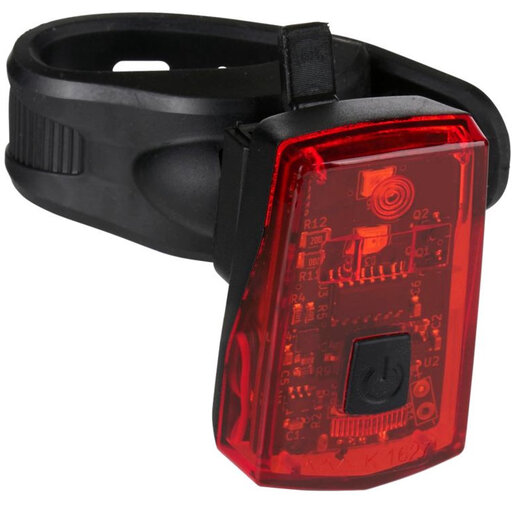
Why This Fits Their Persona: Ideal for the urban cyclist seeking a simple, affordable, and effective upgrade. This light focuses on the core function: a clear brake light for extra safety in heavy traffic, without complex settings.
This product avoids the pitfall of superfluous features. It does one thing well: it functions as a brake light. The mounting is standard, and its ABS plastic construction is functional for normal use.
Accessible price point, direct brake light function, and a rechargeable battery. A no-nonsense upgrade for any city bike.
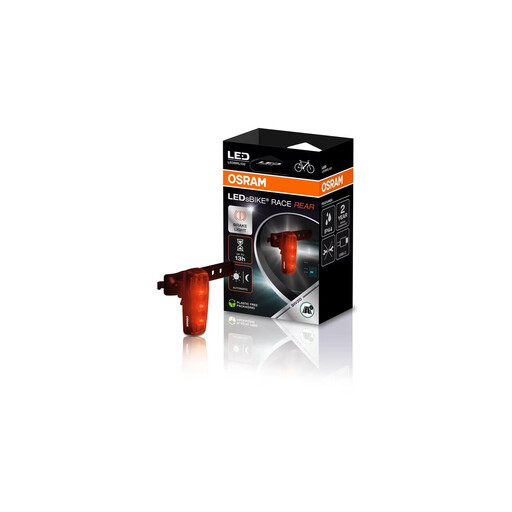
Why This Fits Their Persona: For road cyclists, mountain bikers, and gravel riders, every gram counts. This rear light is extremely light (34 grams) and compact, minimally impacting the bike's aerodynamics and weight while still providing maximum safety.
The StVZO approval guarantees a correct, non-glare beam pattern, which is essential when riding in a group. The reliable OSRAM technology and sturdy mount are designed for higher speeds and rougher terrain.
Extremely lightweight (34g), compact design, and a reliable automatic brake light function. According to OSRAM, the battery lasts up to 13 hours.
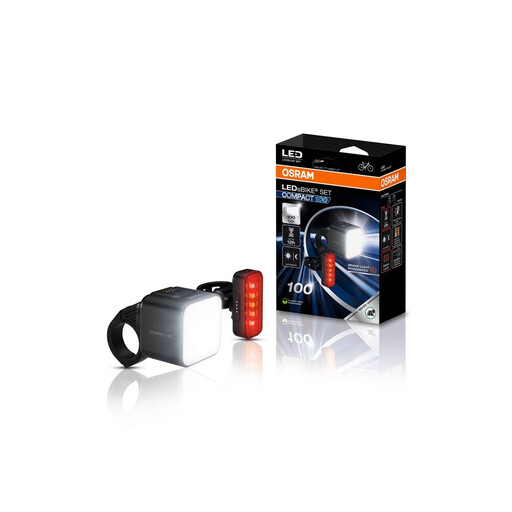
Why This Fits Their Persona: E-bike riders often cover longer distances at higher speeds. This complete set offers a powerful 100 lux headlight to see clearly and a rear light with a brake function to be seen clearly. A total solution for the demanding user.
This set bypasses the pitfall of a weak mount with a Garmin-compatible bracket, which is known for its robustness. The StVZO approval for the entire set ensures a correct beam pattern for both the front and rear lights.
A complete, high-quality set with a powerful headlight and a rear light with a brake function. Both front and rear lights are StVZO-approved and rechargeable via USB-C.
We have compiled a complete, up-to-date list of products that fully meet these strict selection criteria and safety regulations.
Yes, a bike light with a brake light function is generally permitted. Most regulations state that a rear light must emit a steady red light and not flash. A brake light, which temporarily brightens upon deceleration, is not considered flashing and is therefore allowed. It must, however, be clearly visible to other traffic.
Most of these lights use a built-in accelerometer. This is a sensor that detects changes in motion. When you brake, the deceleration causes a measurable change that the sensor picks up. The light's electronics then instantly activate a brighter mode to indicate your braking action. Once you're back up to speed, the light returns to its normal mode.
Battery life varies greatly depending on the model, the selected light mode, and even the ambient temperature. Models in this segment typically offer a runtime of between 8 and 15 hours in a normal, steady mode. The brake light function only consumes extra power at the moment of braking, so its impact on the total battery life is limited. Always check the manufacturer's specifications for the runtime in the mode you will use most often.
