
Vandaag of morgen in huis

Kwaliteit gegarandeerd

Welkomstaanbiedingen ontgrendelen: GRATIS bezorging | Tot 80% korting | Gratis 30 dagen JoyPlus-proefperiode
Download de app
Korean BBQ sauce might seem simple to choose at first. But sauces can vary considerably in heat, sugar and salt content, bottle size and versatility. If you focus only on words such as “authentic”, “traditional” or “extra flavourful”, you could end up with a sauce that’s too sweet, burns easily or doesn’t suit the dish you have planned.
The Bibigo Bulgogi Sauce Hot & Spicy 500 g is made for fans of a spicy bulgogi marinade for beef, chicken, tofu and vegetables. According to the product description, the sauce is based on a Korean recipe and includes ingredients such as soy sauce, pear purée, garlic, onion and spices. The 500 g bottle is suitable for marinating, grilling, wok cooking and stir-frying.
The heat can come from chilli, chilli paste, chilli extract or a combination of spices. You can’t always tell how intense a sauce is from its name. Check the ingredients list and start by using a small amount in your dish.
A sauce with a high sugar content can also caramelise more quickly during barbecuing or frying. It’s best to add extra sauce towards the end of cooking, so the outside doesn’t darken too quickly.
A bulgogi marinade is made to flavour ingredients before or during cooking. That doesn’t mean every marinade is suitable as a cold dipping sauce without further preparation. Check the use instructions on the label and avoid contact between marinade used for raw meat and cooked food.
A 500 g bottle might seem generous, but how much you use depends on the amount of meat, tofu or vegetables and how intense you want the flavour to be. Check the salt and sugar content, too. For Bibigo Bulgogi Sauce Hot & Spicy, the product information lists 185 kcal, 33 g sugar and 5.7 g salt per 100 g. Use the sauce to add flavour, rather than automatically adding extra salt.
The product information for Bibigo sauce lists ingredients including soya beans and wheat. It’s important to check the label if you have an allergy or intolerance. The ingredients list may include soy sauce, chilli, garlic, onion, pear, apple, ginger and thickeners. Always check the packaging, as recipes and labelling can change.
For a household that regularly cooks Asian food, 500 g gives you plenty for several dishes. According to the product description, you can use the sauce as:
Cut meat or vegetables into even-sized pieces so the marinade coats them more evenly. You can leave beef and chicken to marinate in the fridge. Then cook the food thoroughly using your usual cooking method.
According to the product information, Bibigo Bulgogi Sauce Hot & Spicy should be refrigerated after opening. Keep the cap and bottle opening clean, and seal the bottle tightly. Check the label for the specific shelf life and any guidance on how long to keep it after opening. Don’t use the sauce if the packaging is damaged or the product smells or looks unusual.
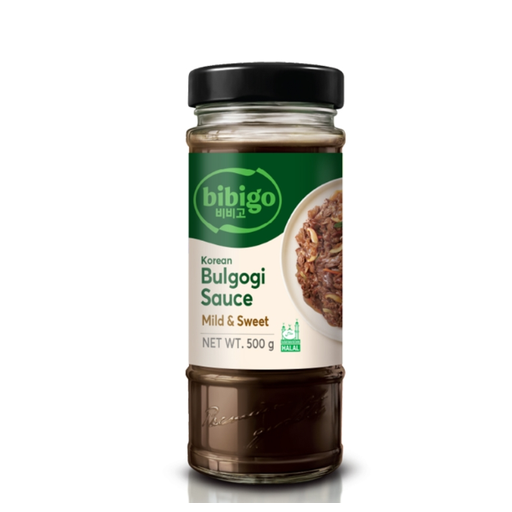
Why it suits this profile: An approachable choice if you want to try Korean flavours without much heat. According to the product description, the sauce is suitable for beef, chicken and vegetables.
The mild version makes it easier to gauge the heat than a general claim such as “Korean style”. Be sure to check the current ingredients and allergen information on the packaging.
500 g; according to the product information, it combines soy sauce, garlic, onion, pear purée and apple purée.
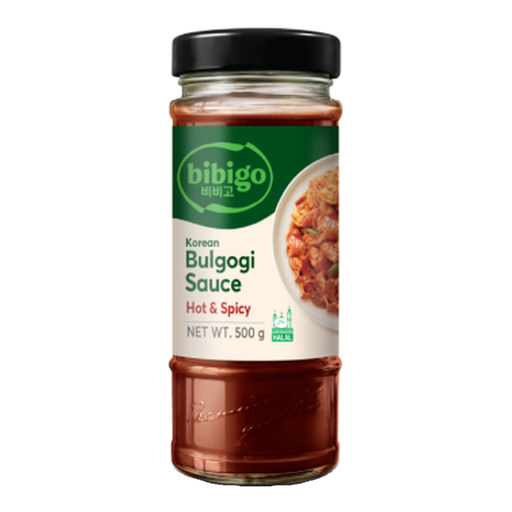
Why it suits this profile: A good choice for home cooks looking for a distinctly spicy Korean sauce for BBQ, wok dishes and marinades.
The product name makes it clear that this is the spicy version and that the bottle contains 500 g. That makes it a more specific choice than a sauce with only a general BBQ label.
According to the product information, it contains soy sauce, pear, garlic, onion and chilli; suitable for beef, chicken, tofu and vegetables.
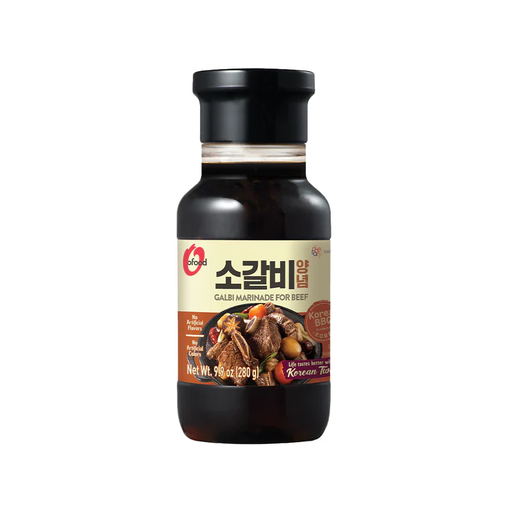
Why it suits this profile: A targeted option if you mainly want to cook beef in the Korean BBQ style and don’t need a 500 g bottle.
The product name specifies that it’s for beef. That helps you avoid buying a general-purpose sauce when you only want to marinate galbi or other cuts of beef.
280 g; according to the product information, it includes pear purée, apple purée, garlic and ginger.
We’ve put together a complete, up-to-date list of products that meet these strict selection criteria and current European safety regulations.
Use the sauce as a marinade for beef, chicken, tofu or vegetables. Coat the ingredients evenly and leave them to marinate in the fridge. Then grill, fry or wok-cook until the food is thoroughly cooked. For wok dishes, you can start with a small amount and add more to taste later.
According to the product description, it is. The sauce is intended for beef, chicken, tofu and vegetables. With softer vegetables or tofu, a shorter marinating time is often best, as these ingredients take on flavour more quickly. Always check the ingredients list for allergens such as soya and wheat.
Keep the opened bottle in the fridge and make sure it’s tightly sealed. Use the best-before information on the packaging as a guide, and avoid cross-contamination with raw meat. The exact storage time after opening may vary between packages.
