
Vandaag of morgen in huis

Kwaliteit gegarandeerd

Welkomstaanbiedingen ontgrendelen: GRATIS bezorging | Tot 80% korting | Gratis 30 dagen JoyPlus-proefperiode
Download de app
Dry, tight or easily reactive skin does not automatically call for the most expensive pot of cream. When searching for the best barrier cream for the face, you will often come across terms such as “intensive repair”, “instant soothing” and “24-hour hydration”. These words only mean something when you also check the ingredients, texture and directions for use.
This buying guide will help you choose a face cream for the skin barrier that suits your skin type, routine and budget.
More ingredients do not automatically mean better results. For dehydrated skin, glycerine, hyaluronic acid, panthenol, squalane and ceramides are some of the relevant ingredients to look for on the label. A cream containing lots of plant extracts or fragrance ingredients may be less suitable if your skin reacts easily.
Always check the full INCI list on the packaging. Product information on a web page may change, whereas the packaging takes precedence.
A brand claim is not a universal promise. Based on a brand’s own research or testing, a product may, for example, be hypoallergenic, non-comedogenic or dermatologically tested. That does not mean every user will tolerate it without any problems.
Test a new cream for sensitive skin on a small area first. Stop using it if you experience persistent redness, itching, swelling or a burning sensation. Do not use cosmetics on damaged skin, and consult a doctor or dermatologist if symptoms persist.
A rich, occlusive cream can feel pleasant on dry skin, but may feel too heavy on oily or blemish-prone skin. A gel cream is lighter, but may be less comfortable in cold Dutch winds or on very dry skin.
Therefore, consider the combination of intensive hydration, the amount of emollient oils and the finish you want beneath sunscreen or make-up.
A practical moisturiser should ideally contain several types of hydrating support:
A ceramide cream is particularly worth considering if you want to support the skin barrier in a targeted way. However, check which ceramides are actually listed in the INCI list. The presence of one ceramide does not tell you everything about the overall formula.
For dry or dehydrated skin, glycerine, hyaluronic acid, panthenol and rich emollient ingredients are sensible points to consider. If you are looking for a soothing face cream, you could also look for centella asiatica, allantoin or ectoin.
For blemish-prone skin, texture and the “non-comedogenic” label are relevant. According to some brands’ product information, their formulas have been tested for this, but individual skin reactions are still possible. Apply a thin layer and do not introduce several new products at the same time.
Do not compare the price alone; consider the size too: 40, 50, 60, 75 or 100 ml can make a difference to the eventual cost per use. A pump bottle can be practical and limits contact with the contents, while a jar is often easier to use right to the last bit.
Check the expiry date, batch information and period after opening on the packaging. Store the cream in a cool, dry place away from direct sunlight, and close the packaging securely after use.
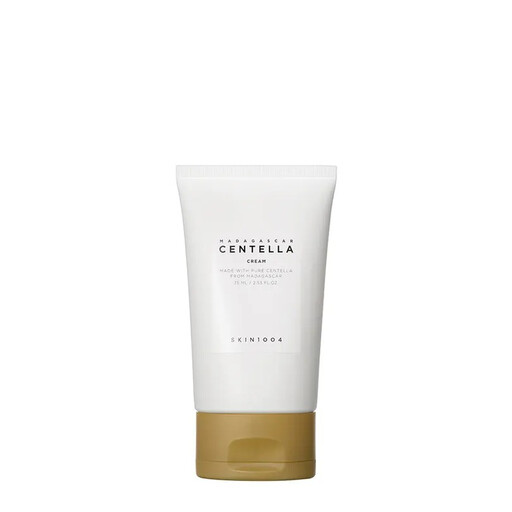
Why it suits this profile: The 75 ml size is a practical option for everyday use if you are looking for a lightweight moisturiser without immediately choosing a heavy cream.
The product information describes a lightweight, fast-absorbing texture. However, check the ingredients, as lavender oil and orange oil are listed among them.
9.8% centella asiatica extract according to the product description, plus panthenol, niacinamide, squalane and ceramide NP.
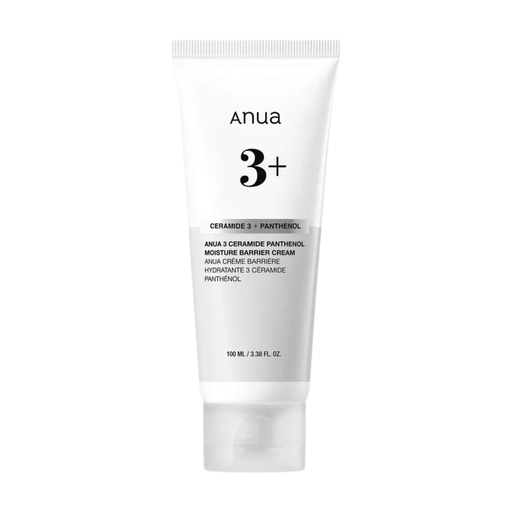
Why it suits this profile: The 100 ml size is ideal for anyone who uses the cream every morning and evening and appreciates a larger pack.
The formula combines barrier-supporting ingredients with directions recommending a thin, even application. The full INCI list remains important if you have sensitive skin.
Contains ceramide NP, AP and EOP, panthenol, centella asiatica, ectoin and hyaluronic acid according to the product information.
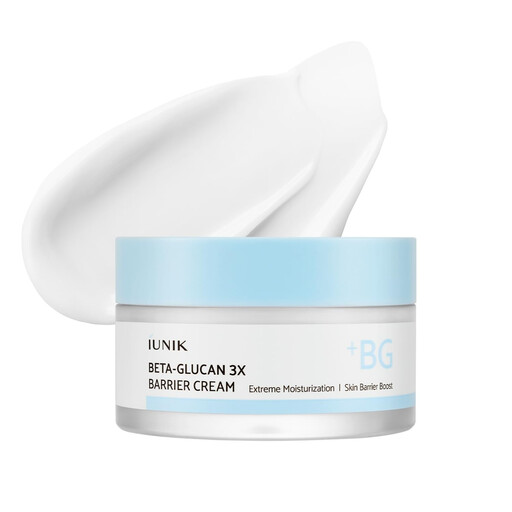
Why it suits this profile: A compact 50 ml option for anyone looking for a hydrating face cream that fits easily into their daily routine.
The product description mentions a fast-absorbing texture without a sticky feel. Check the current packaging and ingredients before buying.
Contains 10,000 ppm beta-glucan, ectoin and panthenol according to the product information; the brand states that it has clinical test results for hydration.
We have put together a complete, up-to-date list of products that fully meet these strict selection criteria and the applicable European safety regulations.
Apply the cream after cleansing and, if required, after a serum. Start with a small amount on slightly damp skin. During the day, apply sunscreen as the final step. A repairing face cream does not need to be applied thickly: a generous layer can feel heavy or cause make-up to pill.
Introduce only one new product at a time. This makes it easier to tell which cream feels comfortable and which one may be causing irritation.
Look for a combination of humectants, lipids and occlusive ingredients. Ceramides, glycerine, panthenol, hyaluronic acid and squalane are practical ingredients to compare. The right choice also depends on the texture you prefer.
You can, but ideally choose a lightweight formula and check whether the manufacturer describes the product as non-comedogenic. This is not a guarantee for every skin type. Test a small amount first and stop using it if you experience irritation or a clear worsening of your skin.
Follow the expiry date and period-after-opening information on the packaging. Keep the product closed, cool and away from direct sunlight. Has the scent, colour or texture changed? Do not continue using the cream.
