
Vandaag of morgen in huis

Kwaliteit gegarandeerd

Welkomstaanbiedingen ontgrendelen: GRATIS bezorging | Tot 80% korting | Gratis 30 dagen JoyPlus-proefperiode
Download de app
A good wok is essential for quick, healthy, and flavorful meals. But the search for the right pan can be frustrating. The market is flooded with pans that make big promises but fall short in practice. Before you buy a wok, it's helpful to know what to look for to avoid a bad purchase.
Many people fall for a few common traps:
To make the right choice, it's important to understand two core properties: the material and the shape of the base. These two factors determine 90% of whether a wok is suitable for your cooking style and kitchen.
The two most popular materials for a quality wok are carbon steel and cast iron. They each have their own distinct character.
The shape of the base is crucial for compatibility with your heat source.
Based on these objective specifications, we have selected a number of pans that suit different cooking styles and kitchens.
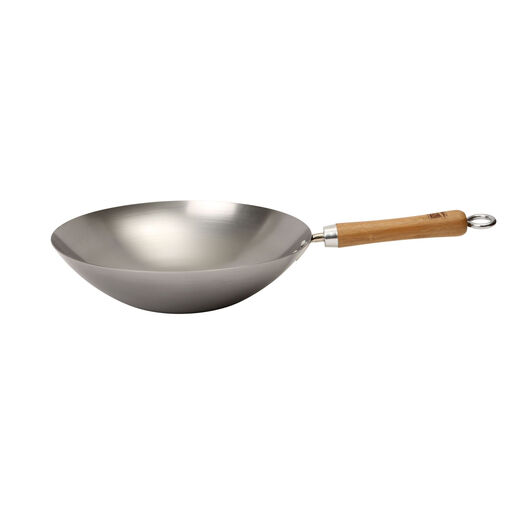
Why This Fits Their Persona: Ideal for the cook seeking an authentic stir-fry experience. The lightweight carbon steel is perfect for 'tossing' ingredients and achieving the signature 'wok hei' flavor. It does require a willingness to maintain the pan.
This pan has no synthetic non-stick coating. You create your own natural, durable layer that can withstand the extremely high temperatures required for true stir-frying.
Heats up very quickly for maximum control. Its light weight makes the pan maneuverable. Suitable for all heat sources.
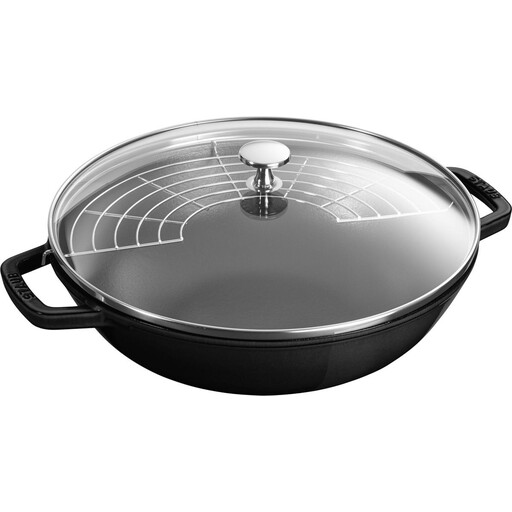
Why This Fits Their Persona: Perfect for those who cook on induction and seek top quality without the maintenance of traditional steel. The pan is heavy, retains heat fantastically, and also looks great on the table.
The enamelled interior is extremely durable, scratch-resistant, and doesn't need to be seasoned. The flat bottom guarantees perfect stability and contact on an induction cooktop.
Superior heat retention for even cooking and searing. Suitable for all heat sources, including induction and the oven. Easy to clean.
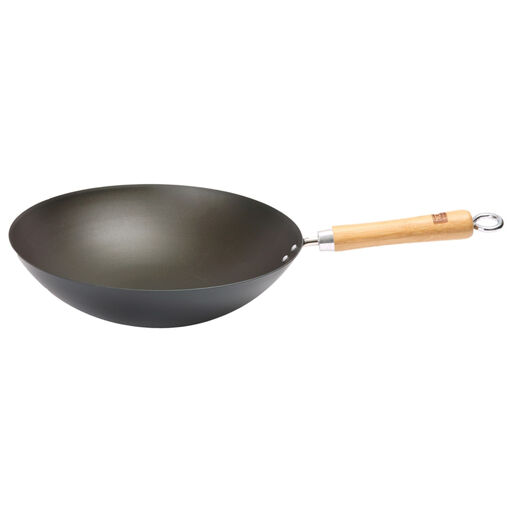
Why This Fits Their Persona: This pan offers the benefits of carbon steel (rapid heating, authentic flavor) without the intimidating first step of seasoning. An ideal start to discover if wok cooking is for you.
The pan comes pre-seasoned, allowing you to skip the most common beginner mistake. Its flat bottom makes it immediately usable on most modern cooktops.
Ready to use out of the box. Combines the performance of carbon steel with the convenience of a pre-treated surface. Flat bottom for versatility.
We've compiled a complete, up-to-date list of products that fully meet these strict selection criteria and quality standards.
Seasoning creates a natural, non-stick surface. First, wash the new pan with hot, soapy water to remove the factory coating and dry it completely. Heat the empty pan on high heat until it changes color (a bluish-grey). Remove from heat, let it cool slightly, and rub a thin layer of high-smoke-point oil (like sunflower or peanut oil) over the entire interior. Heat the pan again until the oil begins to smoke. Let it cool and wipe away any excess oil. Your pan is now ready for use.
For most home cooks, yes. A flat-bottom wok provides a stable, hot surface that is perfect for stir-frying on an electric or induction cooktop. While 'tossing' ingredients feels slightly different than with a round bottom, you can still achieve excellent, crisp results with the right technique and heat. The heat distribution is concentrated on the bottom, which works perfectly well for most dishes.
A carbon steel or unseasoned cast iron wok will rust if not maintained correctly. Rust is caused by contact with moisture. The most important rule is: clean the pan immediately after use with hot water and a brush (avoid soap, as it can strip the built-up oil layer) and dry it immediately and completely. A good method is to briefly place the pan on low heat after washing until all moisture has evaporated. Then, rub a thin layer of oil into it before storing.
