
Vandaag of morgen in huis

Kwaliteit gegarandeerd

Welkomstaanbiedingen ontgrendelen: GRATIS bezorging | Tot 80% korting | Gratis 30 dagen JoyPlus-proefperiode
Download de app
In a competitive game, the difference between victory and defeat can come down to a millisecond. A lagging or imprecise mouse is therefore a source of frustration for any serious gamer. However, the market for wireless gaming mice is vast, and the specifications can be overwhelming. This article is designed to help you understand the technical details and find a model that matches your playstyle and ambitions.
Before we look at the products, it's helpful to understand a few key specifications. This will enable you to make an informed decision.
The polling rate, expressed in Hertz (Hz), indicates how often the mouse reports its position to the computer. A standard mouse often has a polling rate of 125 Hz. For gaming, 1000 Hz (1ms response time) has been the standard for years. The latest models, such as a 4K polling rate mouse, take it a step further with 4000 Hz. This results in extremely smooth cursor movement and minimal delay, which is essential for a fast gaming mouse in fast-paced shooters. Be aware: a higher polling rate demands more from your processor.
The trend is clear: a lightweight gaming mouse is popular. Models under 70 grams reduce drag and make quick, sweeping motions (flicks) easier without causing arm fatigue. This can provide a noticeable advantage during long gaming sessions. Shape is personal: some gamers swear by a symmetrical (ambidextrous) design, while others prefer an ergonomic shape contoured for the right or left hand.
DPI (Dots Per Inch) indicates the mouse's sensitivity. A high-DPI mouse is not necessarily better. Most professional gamers use a relatively low DPI setting (between 400 and 1600) for greater control. What truly matters is the quality of the optical sensor. A good sensor, like the PixArt models found in many high-end mice, ensures 1:1 tracking of your movements without acceleration or prediction. This is the core of a professional gaming mouse.
Below is a selection of models that stand out for their specifications and design.
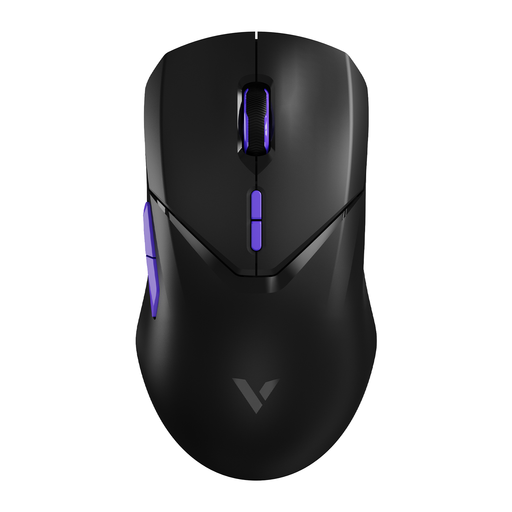
Why It Stands Out The RAPOO VT9Pro is engineered for competitive performance. The combination of a 4K polling rate and the highly-regarded PAW 3398 sensor delivers the speed and precision required at the esports level. Weighing 68 grams, it falls into the lightweight gaming mouse category, supporting rapid responses.
Pros
Who Is It For? This esports mouse is ideal for competitive gamers seeking measurable performance advantages who refuse to compromise on latency and precision.
Check out the RAPOO VT9Pro 4K on Joybuy.nl
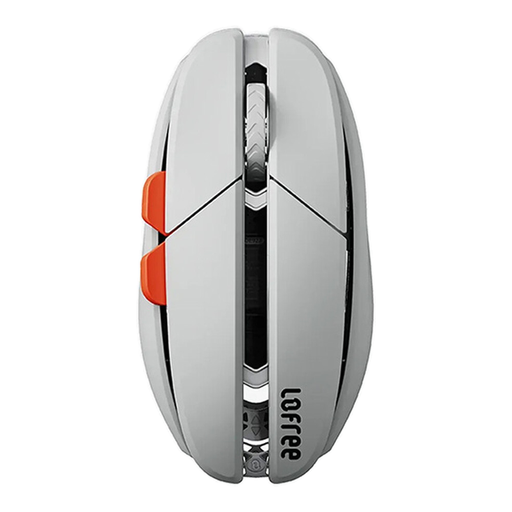
Why It Stands Out The Lofree Hypace combines a minimalist design with impressive specifications. Its most striking feature is the ultra-light weight of just 47 grams, made possible by a magnesium alloy frame. The advanced PAW3950 sensor offers an extremely high DPI, adjustable up to 40,000 via software.
Pros
Who Is It For? For the tech enthusiast and gamer looking for an ultra-light mouse with a sleek design and top-tier sensor performance. Its versatile connectivity also makes it a great choice for users who switch between gaming and productivity on different devices.
Check out the Lofree Hypace on Joybuy.nl
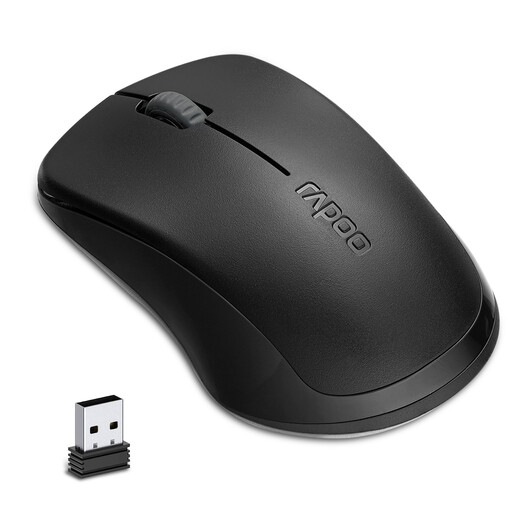
Why It Stands Out This model isn't a high-performance gaming mouse, but it stands out for a completely different feature: silence. According to Rapoo's lab tests, the design reduces click noise by 90%. This, combined with a very long battery life, makes it a practical mouse for other environments.
Pros
Who Is It For? This is not a professional gaming mouse. It is intended for users who, besides gaming, need a quiet, reliable, and affordable mouse for work, study, or general computer use.
Check out the RAPOO 1680 on Joybuy.nl
The right mouse is a personal choice that depends on hand size, grip style, and the games you play. If the models above aren't exactly what you're looking for, there are many more options available. Explore our full range to compare other shapes, weights, and specifications.
View all PC Mice and Keyboards
H3: Are wireless gaming mice as fast as wired ones today? Yes, modern wireless technologies, such as 2.4GHz connections with a high polling rate (1000 Hz or higher), have reduced latency to the point where the difference from a wired mouse is negligible to human perception.
H3: How much DPI do I really need? More DPI isn't always better. Most competitive players use settings between 400 and 1600 DPI for greater precision and control. A mouse with a high DPI capability often has a better sensor, but you'll rarely need to use that maximum value. It's more important to find a setting that feels comfortable for you.
H3: Does a lightweight gaming mouse really make a difference? For many players, yes. A lighter mouse creates less friction and inertia, allowing you to react faster and reducing arm fatigue during long sessions. Especially in games that require fast, large mouse movements, a lightweight gaming mouse can provide a more comfortable and responsive feel.
Joybuy Product Recommendation Officer
